
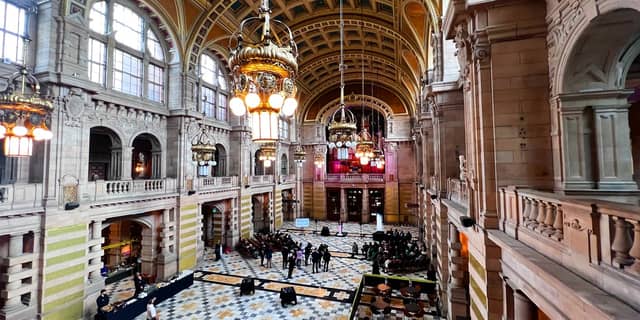


Glasgow is a city where architecture tells the story of its people and identity. Walking through its streets, you encounter a dialogue between centuries - medieval spires, Victorian grandeur, modernist experiments, and bold contemporary designs all jostling for attention. Each era brings an opportunity for reinvention, adding another layer of landmarks to the cityscape.
The affection Glaswegians feel for local landmarks are tied to memory and meaning: red sandstone tenements from childhood, university cloisters, grand civic buildings, curious city centre constructions, markers on favourite streets.
Part of what makes Glasgow’s architecture interesting is its variety. Charles Rennie Mackintosh’s visionary works, brutalist interruptions to the flow of Victorian and Georgian rows, old buildings reflected on the glass veneer of modern towers.
In recent years, conversations around Glasgow’s built environment have also highlighted the importance of preservation and regeneration.
While many important structures face challenges, there remains a sense of collective determination to protect the buildings that matter. Our built heritage deserves more care and attention. Glasgow is in danger of succumbing to the featureless onslaught of generic modernity. So much of the city’s sense of identity is wrapped up in the landmarks that have become emblems for Glasgow. They should be cherished and remain a part of local life.
Here are 25 of Glasgow’s favourite buildings, as suggested by our readers and writers, that best represent the city.
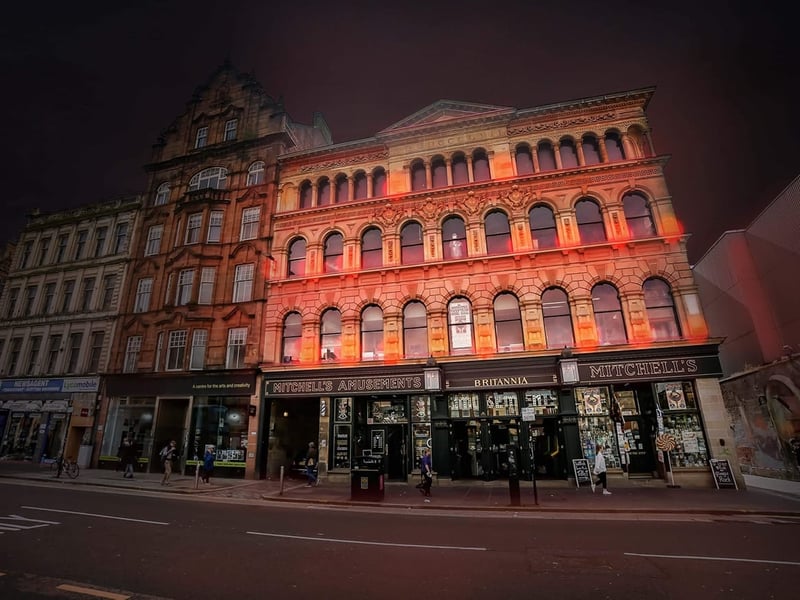
25. Britannia Panopticon
The world’s oldest surviving music hall. At one time a boisterous crowd of up to 1500 would gather to watch the singers, dancers and comedians. Eccentric showman AE Pickard installed a carnival in the attic and a zoo in the basement. Now, a charitable group promotes the legacy of building and continues to organise events, including silent movie screenings. Stan Laurel made his debut on this stage in 1906. | Supplied