
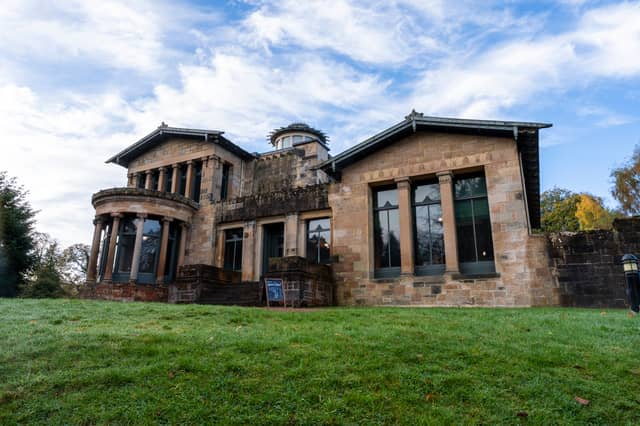


Alexander ‘Greek’ Thomson was a Scottish architect whose work stood apart from the dominant Victorian styles of the time. Instead of Gothic revival, he drew inspiration from ancient Greek architecture, which earned him the nickname ‘Greek’ Thomson.
Working during Glasgow’s rapid industrial expansion in the mid-19th century, Thomson designed churches, villas, terraces, and commercial buildings for the city’s growing middle class. His architecture is known for its strong horizontal lines, classical proportions, and decorative motifs derived from Greek temples.
Some of his most celebrated works include St Vincent Street Church, often considered his masterpiece, and the striking terrace at Great Western Terrace. Another important surviving example is Holmwood House, a villa that demonstrates Thomson’s refined approach to domestic design.
Although many of Thomson’s buildings were lost during 20th-century redevelopment, his reputation has grown significantly in recent decades. Today he is recognised as one of Britain’s most original architects, and his work remains an important part of Glasgow’s architectural heritage.
Here are six standout Alexander ‘Greek’ Thomson buildings in Glasgow.
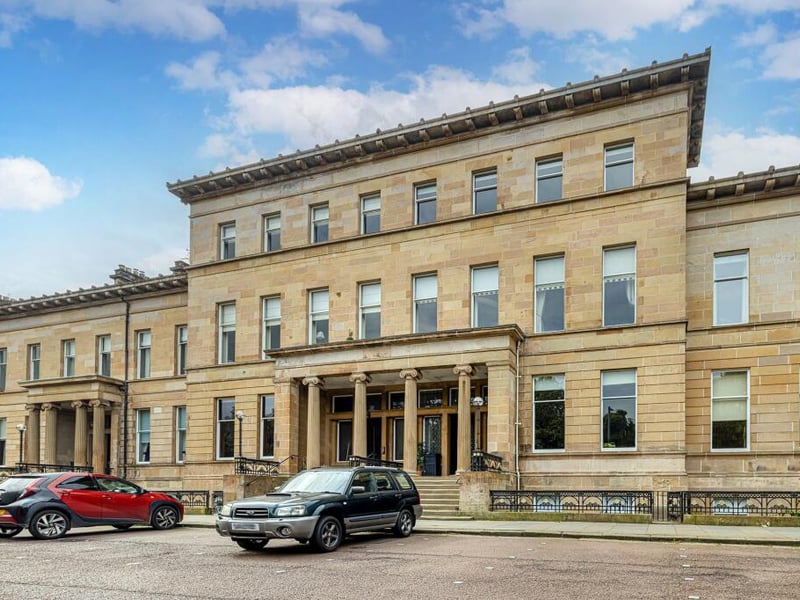
5. Great Western Terrace
Heading into the West End, you'll find Great Western Terrace which is just off Great Western Road. Speaking about the building, the Alexander Thomson Society said: "Thomson was in high demand, and in 1867 he was drafted to design the grandest terrace in Glasgow for builder William Henderson and landowner James Whitelaw Anderson. Henderson died in 1870, leaving Anderson to foot the bill. Thomson saw eight of the houses completed before he himself passed away in 1875, with the remaining three completed two years later." | Rettie
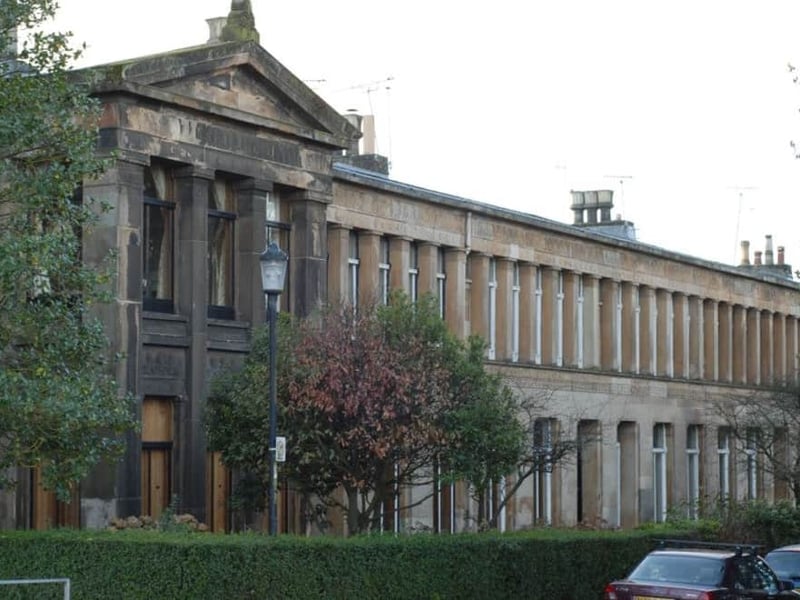
6. Moray Place
Moray Place is found in officially one of the world's coolest neighbourhoods - Strathbungo. Speaking about the Southside terrace the Alexander Greek Thomson Society say: "A serene long classical colonnaded terrace, two storeys high, visually stopped by full-height pilastered, Greek pedimented end bays. Viewed from the end, the pilasters of the central range conceal the recessed decorative doors, the frameless windows and even the mutual walls between houses." | Wiki Comms