
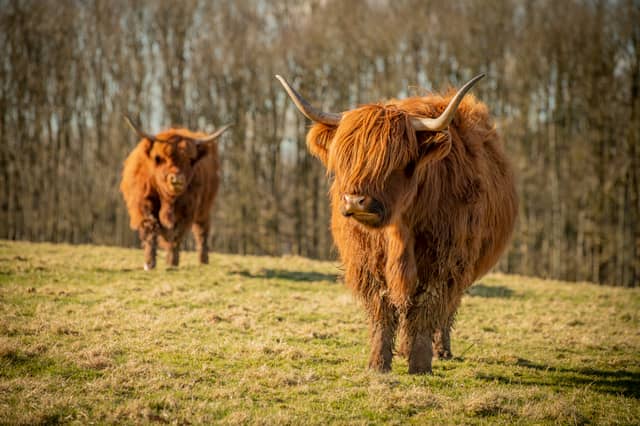


Highland cattle are a beloved feature of Pollok Country Park in Glasgow, where their shaggy coats and long, curved horns make them instantly recognisable to visitors.
Often seen grazing peacefully in the park’s open fields, they add a touch of the Scottish Highlands to the city’s largest green space. Families, dog walkers, and photographers often stop to admire their calm demeanour and appearance, making them a popular attraction.
These hardy animals are well-suited to the Scottish climate, and at Pollok Country Park, they help manage the landscape naturally. By grazing on grass and scrub, they prevent overgrowth and maintain the health of the park’s meadows.
Here are seven things you didn't know about Glasgow's Highland cattle.
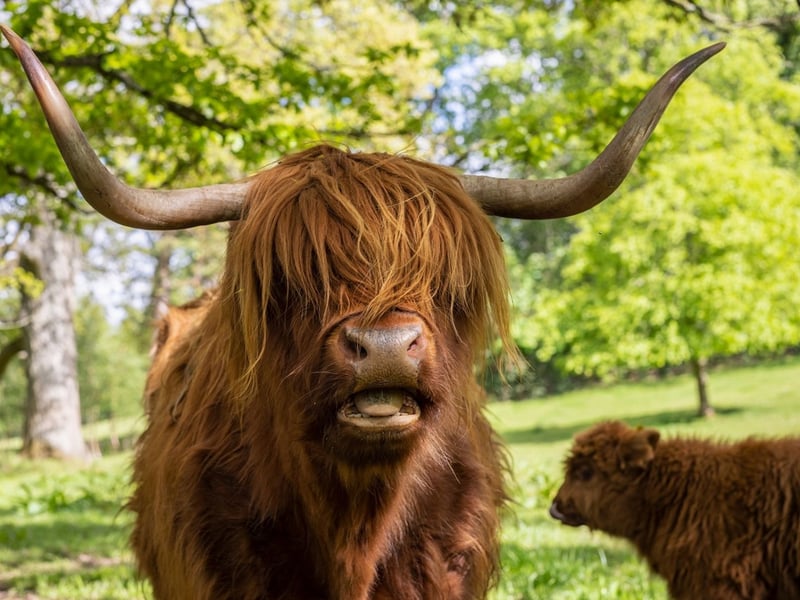
5. Highland cattle never lose their horns
Unlike deer, another of Scotland’s most well-known national animals, Highland cattle never lose their horns. They’ll have one set for their entire life, which starts to grow from about 3 months old. Their horns were originally used for protection from predators such as wolves, but now their main purpose is to scratch their back and break low branches to eat fresh, green leaves. They also act as a useful foraging tool to sweep snow from the ground during the winter months. | Kenny Lam, Visit Scotland Photo: Kenny Lam, Visit Scotland
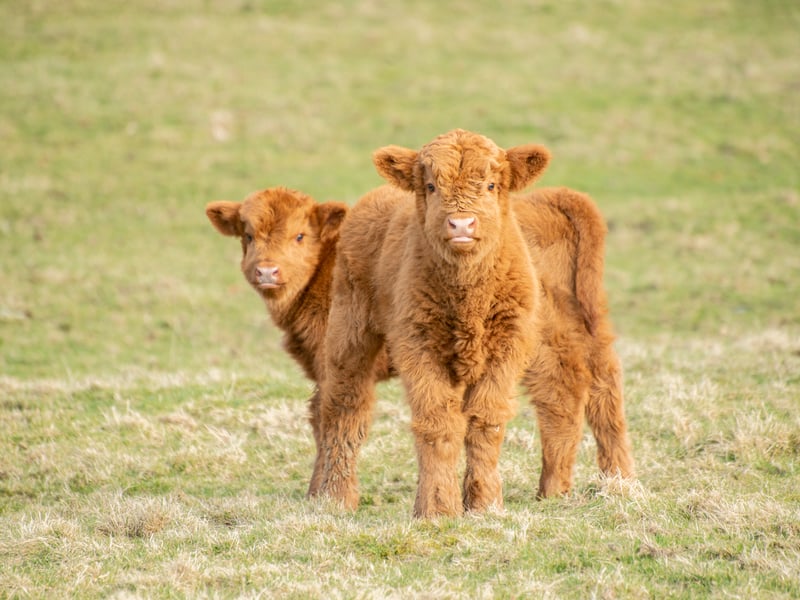
6. Calves are born in springtime
Pregnancy for a Highland cow lasts roughly the same amount of time as a human pregnancy, around 9 months. From early March, you may even be able to see some of the new calves being born as the cattle always give birth outdoors. Highland cattle reach full maturity at about 4 years old. Females grow to about 135cm from hoof to shoulder and weigh about 500kg. Males grow to about 160cm and can weigh up to 900kg. | © Glasgow Life / Paul Watt Photography
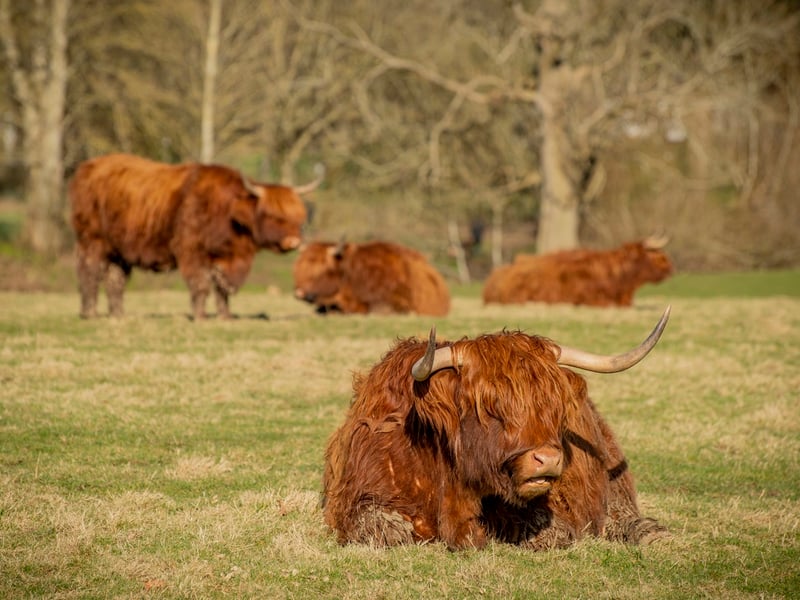
7. They all have their own names
When it comes to naming newborn calves, they name their female calves after their mothers to help maintain bloodlines and males are given a Gaelic name that begins with the first letter of their mother’s name. Traditionally bred largely in the Scottish Highlands by crofters, it’s common for Highland cattle to have Gaelic names which have been handed down through the generations. | Kenny Lam, Visit Scotland Photo: Kenny Lam, Visit Scotland