
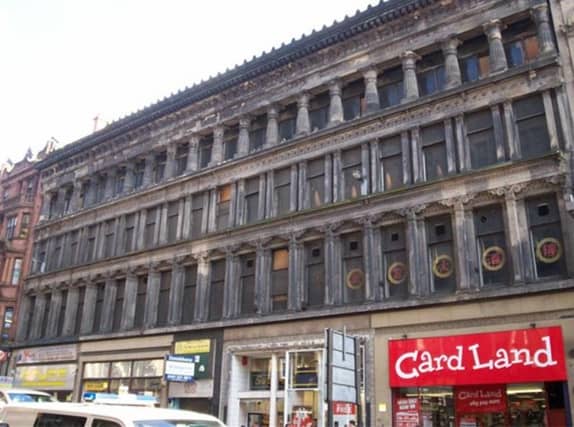


Glasgow is known for its great architecture with many buildings located across the city being a vital part of Glasgow's heritage and identity.
You can see the changing face of Glasgow through examples of Art-Deco, Gothic and Victorian architecture in different parts of the city alongside distinctive tenements and grand stone constructions.
The buildings at risk register is populated by important buildings that have been neglected and ignored for too long. It's time for city authorities, owners, planners, architects, developers and the local community to take the necessary steps to ensure these important buildings are restored and returned to being a functioning part of the city rather than monuments to intransigence and decay.
To start the campaign, here are eight buildings in Glasgow which need to be saved in 2024.
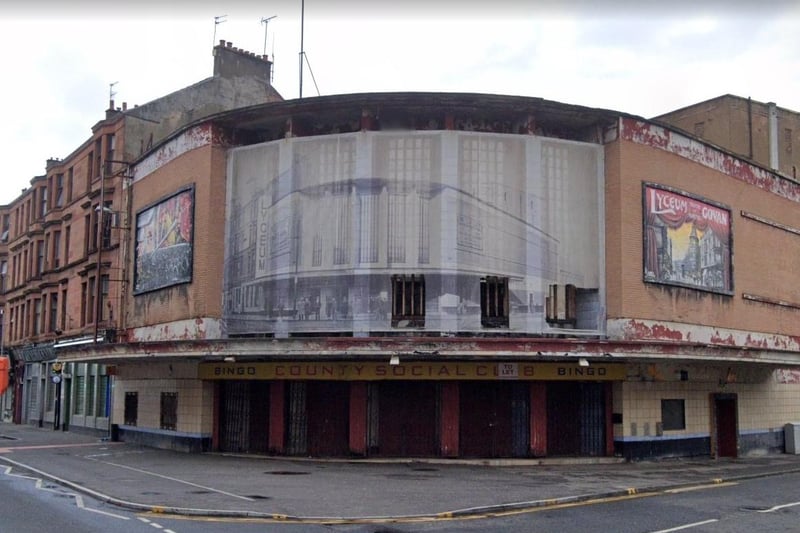
5. Lyceum Cinema, Govan Road
The building on Govan Road was once a cinema but has lay derelict since closing in 2006. It is hoped that the building could one day be used again but still lies empty with there being a lot of vandalism on the outside of the building. | Supplied
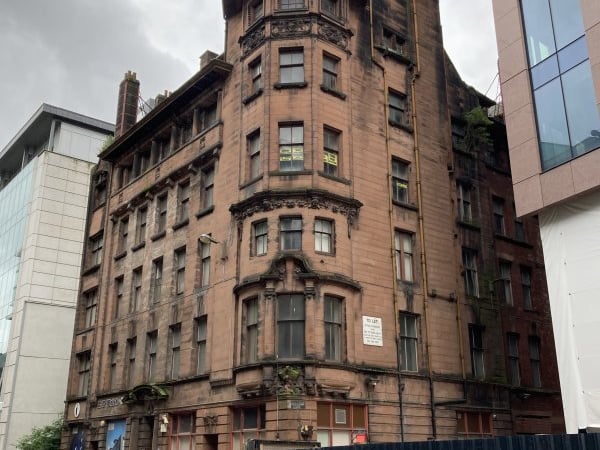
6. 71-75, Robertson Street
The tall five-storey building in the city centre was marketed for sale in 2022. Inspection in June 2023 found the condition of the building has deteriorated. There are issues with decay and damp of the eaves on the east elevation. Salt deposits have built up on the masonry and damage to the interior is visible through the windows. | Historic Environment Scotland
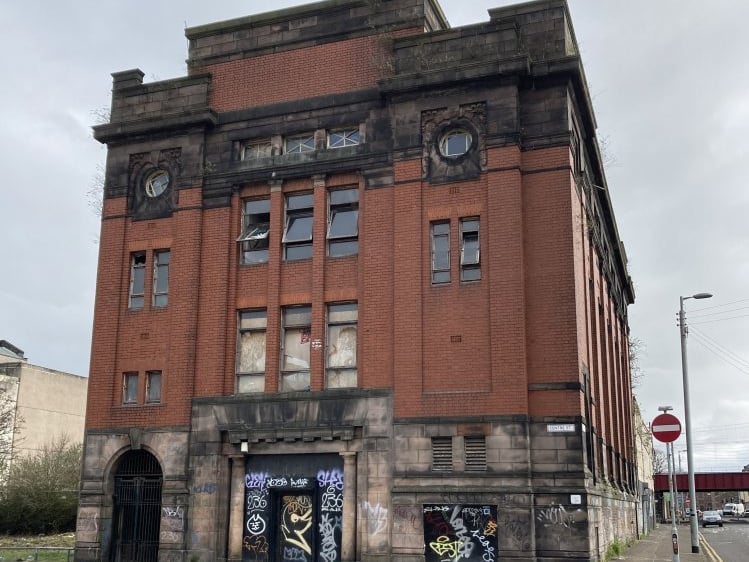
7. 243, Centre Street, Tradeston
The former telephone exchange building in Tradeston has lay derelict for over 15 years. External inspection finds that the building is suffering from vandalism. A significant amount of glazing has been broken and there are open windows, as well as uncovered window openings. Vegetation continues to grow on upper masonry. | Historic Environment Scotland.
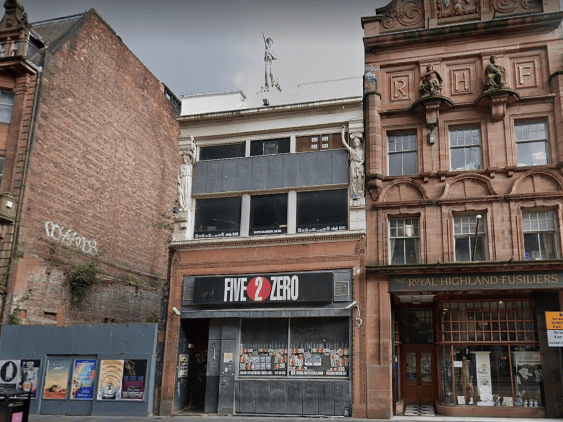
8. 520, Sauchiehall Street
In 1912 the building became a cinema, the Vitagraph (later, the King’s Cinema), with major (principally internal) alterations carried out by John Fairweather in 1914. A lounge and tearoom were created within the Sauchiehall side. The building remains disused with some dampness accumulating at parapet level, with vegetation establishing in opening joints. | Google Maps