

B-listed buildings are an important part of Glasgow’s architectural heritage. In Scotland, buildings are protected through a national listing system that recognises structures with special architectural or historic significance. This system helps preserve important buildings so they are not changed or demolished without careful consideration.
Category B status is given to buildings that are considered regionally important or are good examples of a particular architectural style or historical period. These buildings may have been altered over time, but they still retain enough of their original character to be valued and protected.
B-listed buildings are the most common type of listed building in Scotland. In fact, around 60% of all listed buildings fall into this category. This shows how important they are in representing the everyday architectural history and development of cities such as Glasgow.
Here are eight incredible B-Listed buildings in Glasgow.
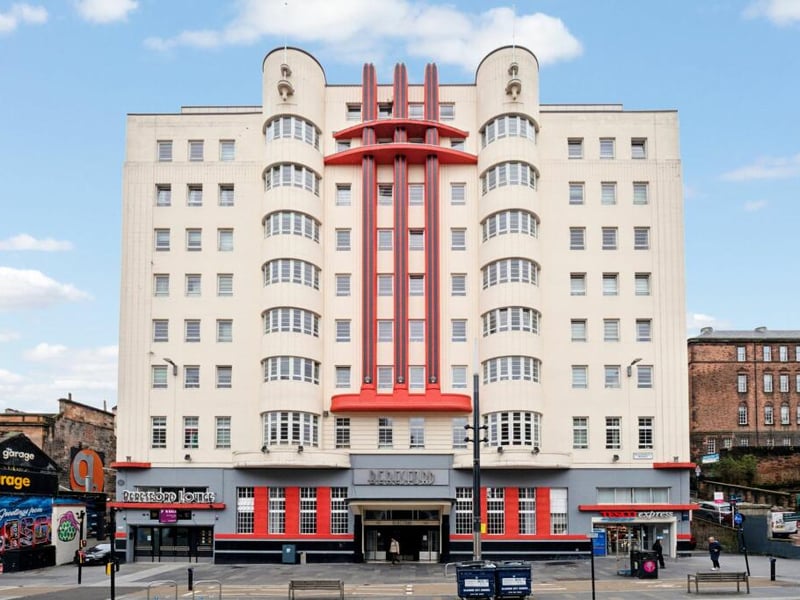
1. Beresford Hotel
The former hotel was first opened in 1938 to provide accommodation for those attending the 1938 Empire Exhibition in Glasgow. It is often described as the city’s first skyscraper. | Rightmove
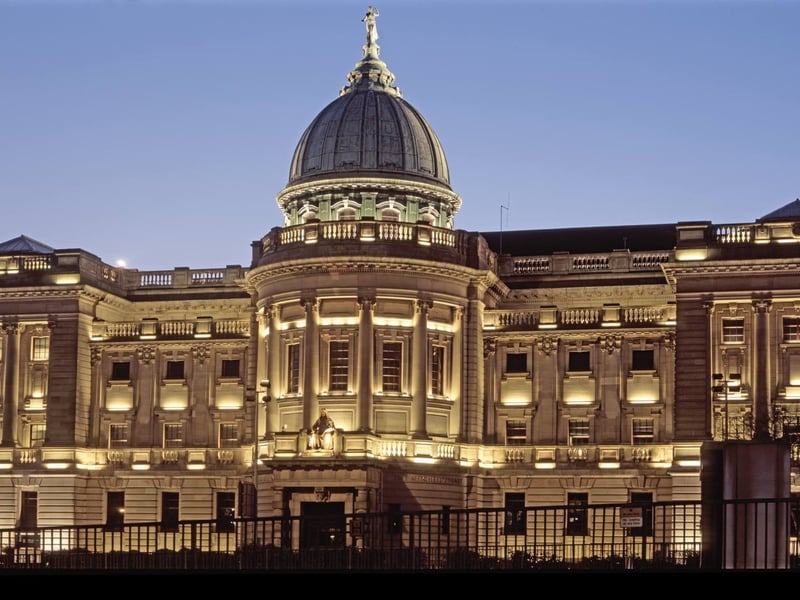
2. The Mitchell Library
The Mitchell Library remains the busiest library in Glasgow and is a great place to go for some quiet if you are studying for an exam or looking to spend time with a book. The building opened in 1911 and is also home to the Mitchell Theatre. It’s distinctive green dome and frontage makes it one of Glasgow’s most recognisable landmarks. | Glasgow Life
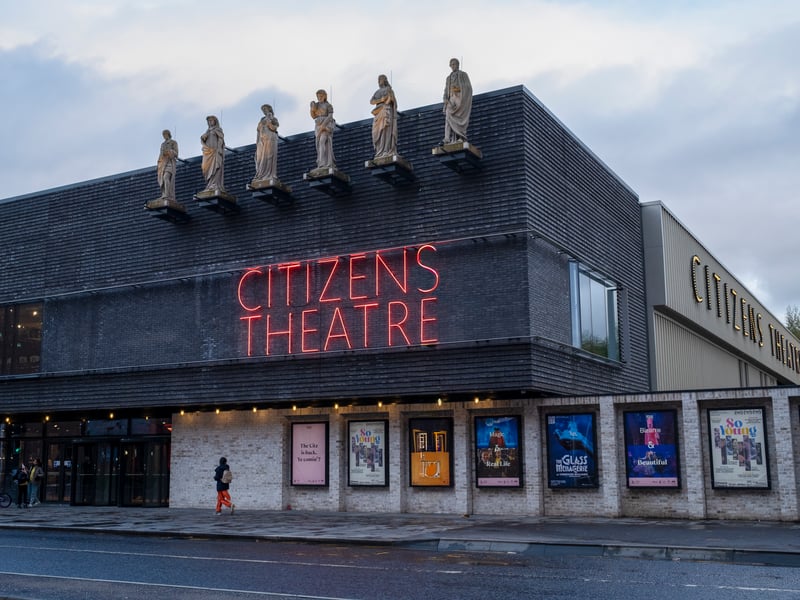
3. Citizens Theatre
The Citizens Theatre has been one of Scotland’s most influential cultural landmarks since it opened in 1878. Known for its bold, thought-provoking productions and striking Victorian architecture, the theatre has built an international reputation for pushing artistic boundaries while remaining deeply connected to the people of Glasgow. | © Visit Glasgow/ We Are Hydrogen Uploaded
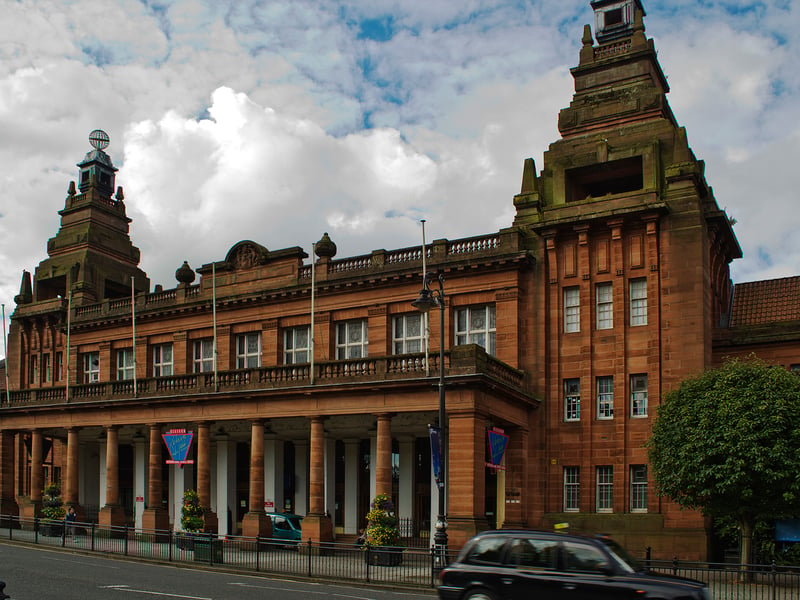
4. Kelvin Hall
A historic venue at the heart of Glasgow’s cultural life, the Kelvin Hall has played many roles since opening in 1927—from hosting international exhibitions and sporting events to welcoming generations of visitors for concerts, shows, and community activities. The building has been transformed into a modern cultural hub, bringing together archives, learning spaces, and fitness facilities while preserving its rich heritage. | Wiki Comms