

Six years ago, more than 50,000 photographs taken by Oscar Marzaroli, who died in 1988 aged 55, were donated to Glasgow Caledonian University by his family. Within the staggering portfolio lies one of the most significant and fascinating collection of images capturing life in Glasgow that has ever been assembled by a single individual.
His landscapes of the industrial city bathed in glimmers of light help to evoke a place of gritty wonder. Street photography of children and young people, often captured against a backdrop of disappearing tenements and rising tower blocks in the 1960s, offer a snapshot of a changing city.
The Archive Centre at Glasgow Caledonian University has been entrusted with the Marzaroli Collection in its entirety.
Oscar Marzaroli (1933–1988) was one of Scotland’s most important documentary photographers, celebrated for his powerful visual record of Glasgow during a period of profound social and urban transformation. Born in Castiglione, Italy, Marzaroli moved with his family to Glasgow as a young child and grew up in the city that would become the central subject of his life’s work.
Working primarily from the late 1950s through the 1980s, Marzaroli developed a distinctive style rooted in humanist photography. His black-and-white images captured everyday life in Glasgow’s streets, tenements, shipyards and housing schemes with remarkable empathy and authenticity. Rather than focusing solely on architecture or urban change, he placed people at the centre of his work, documenting children at play, families, workers and local communities as they navigated the city’s shifting landscape.
Many of Marzaroli’s most celebrated photographs were taken in areas such as the Gorbals and Castlemilk during the large-scale demolition of Victorian tenements and the construction of new housing developments. His images provide an invaluable historical record of a city undergoing rapid redevelopment while preserving the character, resilience and spirit of its inhabitants. Works such as The Castlemilk Lads have become important representations of Glasgow’s social history.
Alongside photography, Marzaroli worked as a filmmaker and co-founded Ogam Films in 1967, producing documentaries that explored Scottish culture and society. His work reached an even wider audience in the 1980s when photographs of Glasgow were used by the band Deacon Blue on album artwork, including the cover of Raintown. Today, Marzaroli’s archive of more than 50,000 photographs remains an enduring testament to Glasgow’s people and places, securing his reputation as one of the city’s most influential visual storytellers.
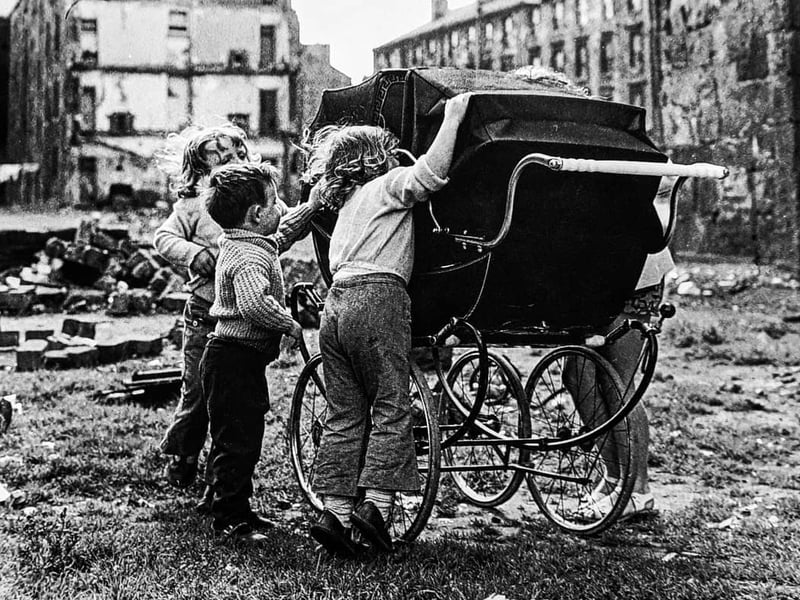
1. Oscar Marzaroli
Many of the images taken by Oscar Marzaroli, were in the Gorbals area as the bulldozers cleared the streets of dilapidated tenements. He also captured the false dawn of tower blocks rising in the same community. | Oscar Marzaroli
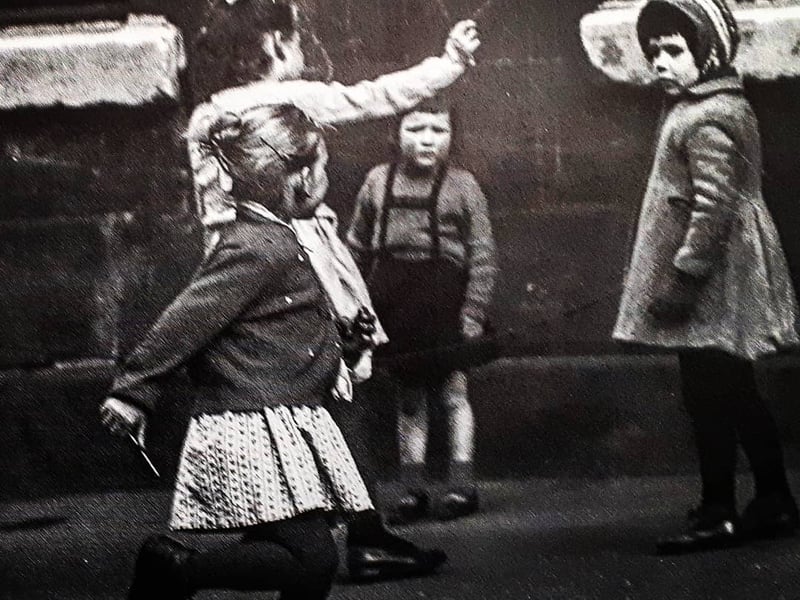
2. Oscar Marzaroli
Marzaroli was born in La Spezia in north west Italy in 1933 and moved to Garnethill in Glasgow with his family when aged two. He went on to work as a freelance photojournalist in Stockholm and London and spent time touring Europe before returning to Glasgow where he set up the photographic studio Studio 59 and married Anne Connelly, with whom he had three daughters – Marie Claire, Nicola and Lisa Jane. Documenting Glasgow street scenes became the backdrop to his life. | Oscar Marzaroli
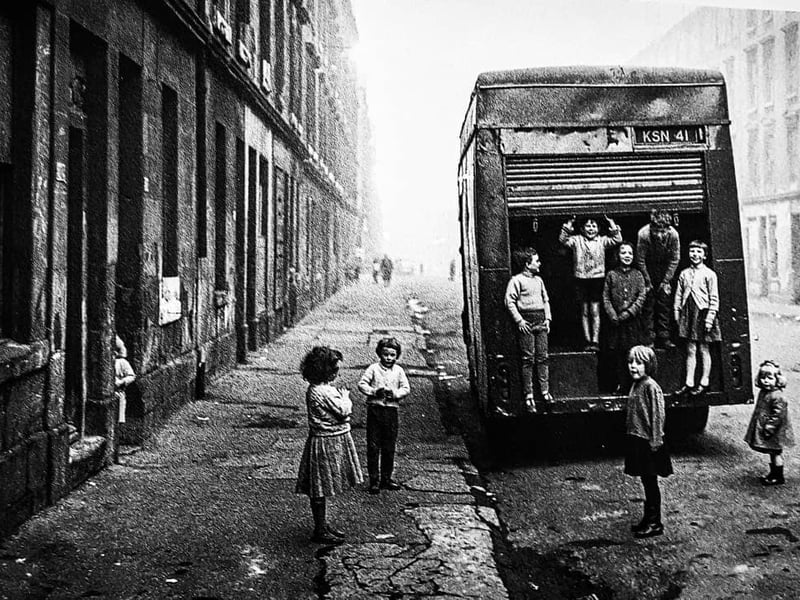
3. Oscar Marzaroli
His photographic work reached a wide audience in the 1980s when pop band Deacon Blue used two of his images on their record covers. The cover of their debut album, Raintown, was taken by Marzaroli and captured a rainy day over Glasgow’s west end with the Finnieston Crane in the background. It's his candid shots of Glasgow childhood that most capture a city that doesn't exist anymore. | Oscar Marzaroli
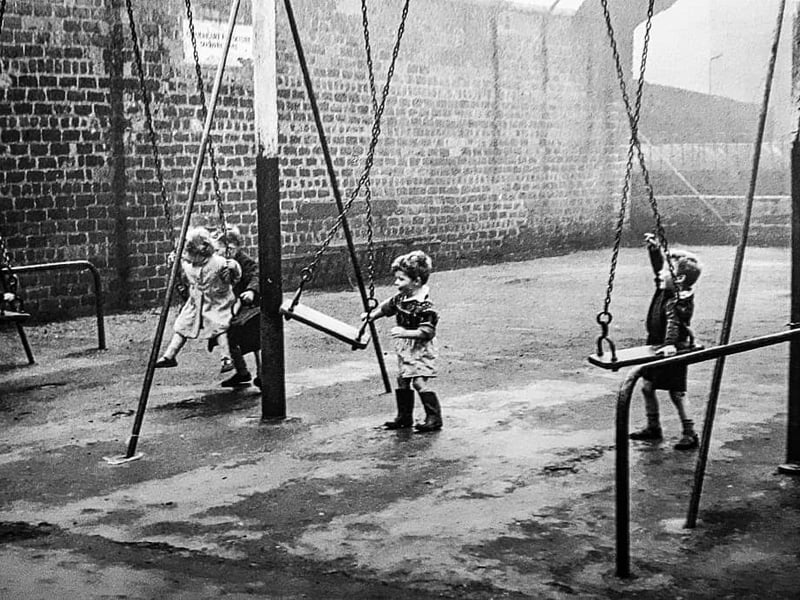
4. Oscar Marzaroli
It turned out to be prescient that Oscar took photographs in areas of the city including Anderston, Townhead and Castlemilk in the 1960s during a time of upheaval, building of new housing, clearances of tenements and the M8 carving its way through the city centre. Against this backdrop, kids were growing up in the same way they had for generations in the city. | Oscar Marzaroli