
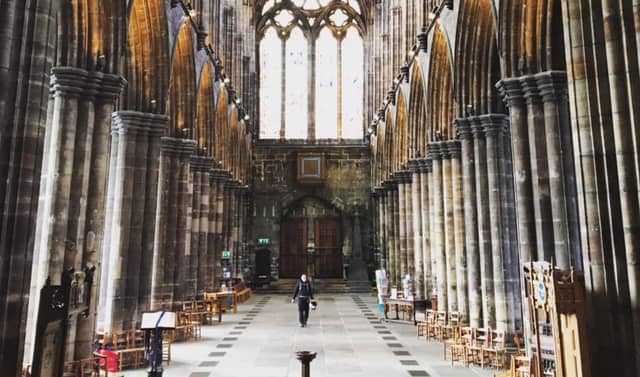


Glasgow Cathedral stands as one of Scotland’s most important medieval buildings. It is dedicated to St Kentigern—often called St Mungo—the 6th-century missionary who founded a Christian community on the site.
The cathedral became the seat of the Archbishop of Glasgow, and the first stone cathedral was consecrated in 1136, marking Glasgow’s rise as a major religious centre.
Most of the cathedral you see today was built between the 13th and 15th centuries in Gothic style, using dark local stone. A distinctive feature is the Lower Church or crypt, built over the traditional tomb of St Mungo, which made the cathedral a place of pilgrimage. Despite fires and political upheaval, the building was repeatedly repaired and expanded, reflecting the city’s growing importance.
Remarkably, Glasgow Cathedral survived the Scottish Reformation of the 16th century largely intact, unlike many other religious buildings that were destroyed or abandoned. It later served as a parish church and remains a place of worship today. Standing beside the Necropolis and overlooking the Molendinar Burn, the cathedral remains a powerful symbol of Glasgow’s origins and enduring history.
Here are six nostalgic pictures from Glasgow’s past of Glasgow Cathedral.
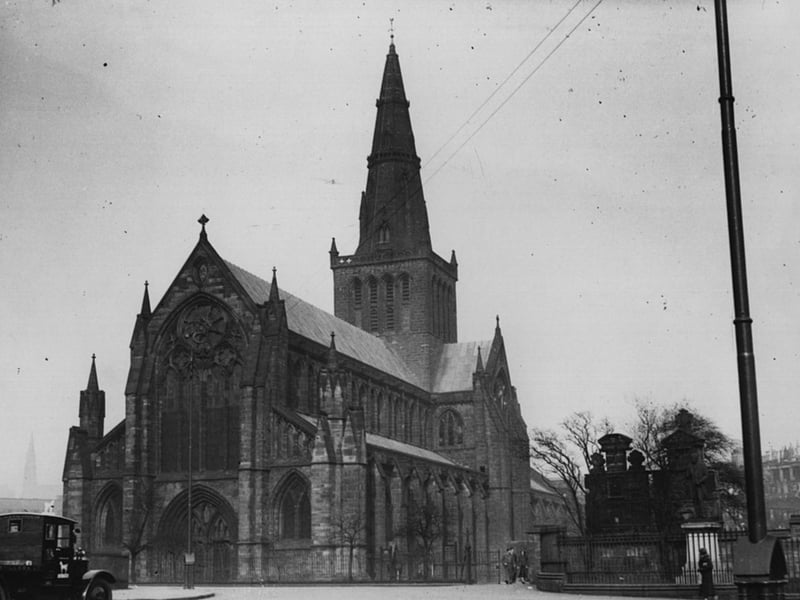
5. Continued restoration
Work on Glasgow Cathedral has never really stopped, in the 1840s and 1850s a number of buildings and towers, including two towers which flanked the western front, were brought down. However, in the early 20th century work was done to replace the medieval timber roofs and works by modern artists such as The Creation or The Evangelists, by Francis Spear, or Sadie McLellan's depiction of Christ, replaced the degraded Munich Windows. | Getty Images
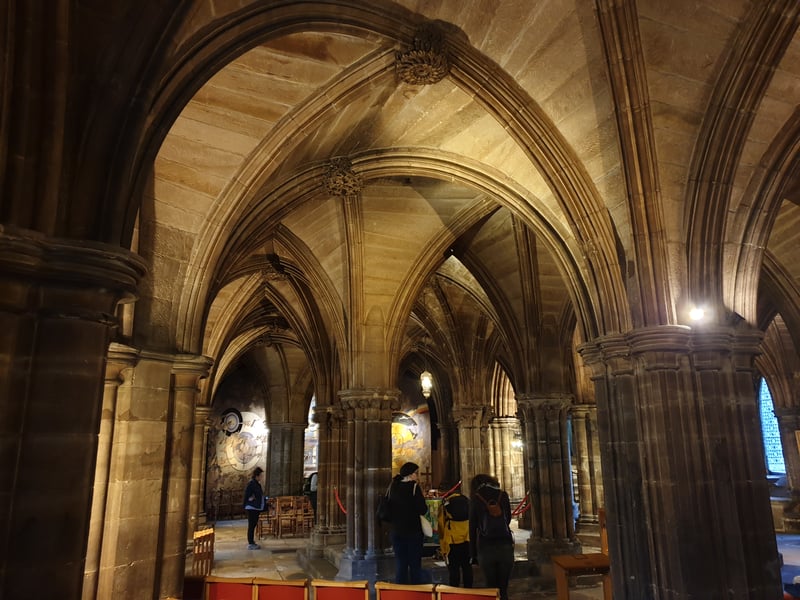
6. Recent importance
In recent years, Glasgow Cathedral has taken centre stage in a number of historical events, such as the funeral of First Minister Donald Dewar in 2000. Queen Elizabeth II attended two services of thanksgiving to mark her Silver Jubilee in 1977 and her Diamond Jubilee in 2012. The Cathedral is still a must see for anyone interested in Glasgow's history. | Contributed