

Glasgow is often thought of as a flat, low-lying city, but much of its shape, neighbourhoods, and even its name are connected to a landscape of gentle hills formed thousands of years ago.
The city developed across a series of small drumlins—glacially-formed hills left behind at the end of the last Ice Age. These rounded slopes influenced everything from early settlement patterns to later street layouts.
The earliest hub of Glasgow grew around Gallowgate and Cathedral Hill, where St Mungo established his church in the 6th century. This elevated ground offered natural protection and became the heart of medieval Glasgow.
As the city expanded in the 18th and 19th centuries, neighbourhoods grew across other hills such as Garnethill, Govanhill, Sighthill, and Cranhill, with many areas taking their names directly from the physical landscape.
Here is how 14 Glasgow hills got their names and the history behind them.
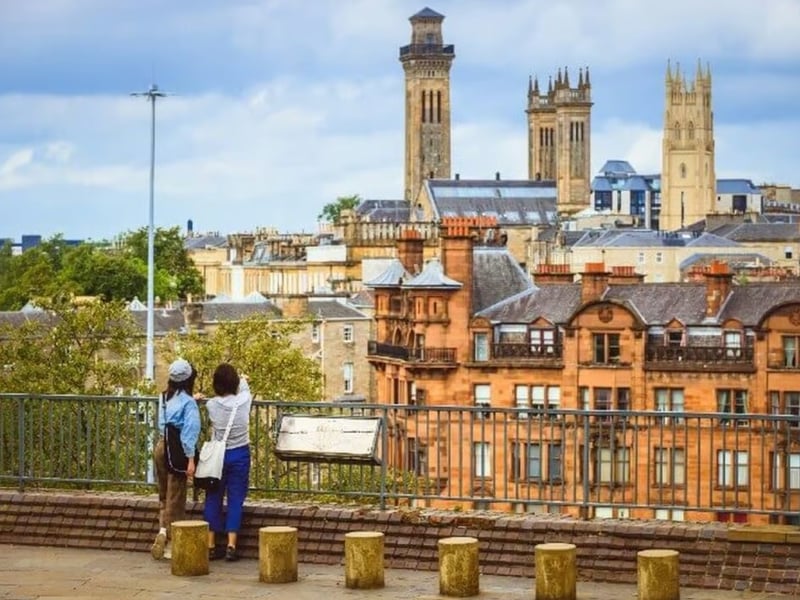
1. Garnethill
The area was named Garnet Hill by William Harley, in honour of Professor Thomas Garnett, one of the first professors of Anderson's Institution, known today as Strathclyde University. | Supplied
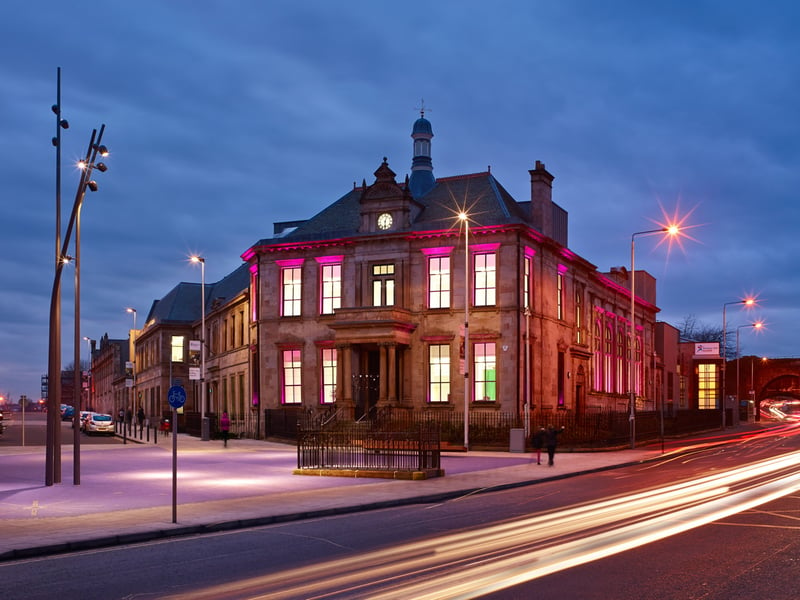
2. Maryhill
Maryhill is named after a woman, rather than an actual hill. Named after Mary Hill, owner of Gairbraid Estate and, together with her husband, built a village on the land. | Supplied
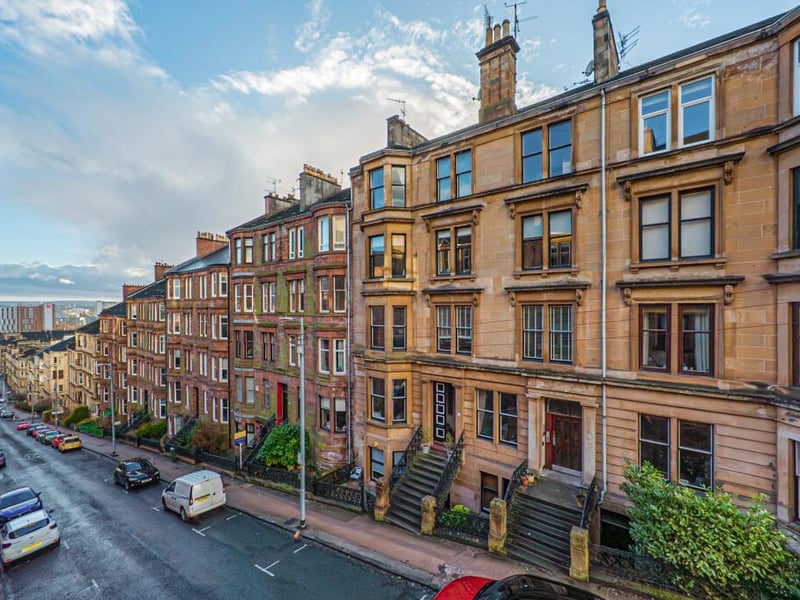
3. Partickhill
Partickhill gets its name from being a hill in Partick! Who would've thunk it. | Rightmove
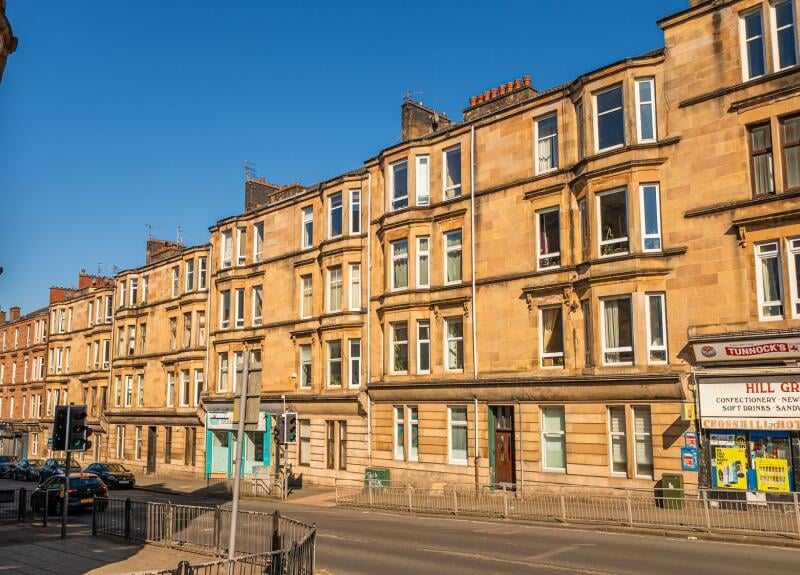
4. Crosshill
According to Hugh Macintosh's The Origin and History of Glasgow Streets (1902), "Crosshill derives its name from an ancient cross which stood on a height still named the Cross Hill. This monument was about ten feet high and three-and-a-half wide, and bore a sculptured representation of Christ entering Jerusalem riding on an ass. It was removed by some vandals about the end of the eighteenth century." Essentially there was a statue of a cross on a hill. | Rightmove