


The Burrell Collection in Pollok Country Park, in Glasgow’s Southside, houses one of the finest private art collections ever assembled, gifted to the city by Sir William Burrell and Lady Constance Burrell in 1944. Over 75 years, Sir William, a shipping magnate, amassed some 9,000 objects—ranging across 6,000 years of history and representing 50 countries.
Designed by Barry Gasson with John Meunier and Brit Andresen, the museum was purpose-built and opened in 1983 within the park’s woodland setting. Notable for its red sandstone, glass, and natural integration of architectural fragments like a 16th-century doorway, it's an early example of harmony between structure, landscape, and collection. The building earned A-listed status in 2013 as a distinguished piece of post-war Scottish architecture.
From 2016 to 2022, the museum underwent a £68 million “renaissance” refurbishment led by John McAslan + Partners. It dramatically improved sustainability, accessibility, and gallery space—expanding the display area by roughly 35%. New entrances, a café with terrace, a play zone, and enhanced environmental controls were added. Judges lauded the renovation as “an outstanding example of problem-solving and future-proofing,” leading to its accolade as Scotland’s best building in 2024.
The redisplay amplifies storytelling and interactivity across 24 galleries and 225 displays. New immersive spaces reveal glimpses into life at Hutton Castle, where the Burrells once lived, and bring to light craftspeople’s processes and cross-cultural narratives.
Highlights include one of the earliest surviving Persian garden carpets—the Wagner Garden Carpet—now on long-term display. The collection also boasts exceptional Chinese art spanning 5,000 years, medieval stained glass, arms and armour, over 200 tapestries and 150 carpets, and famous works by Manet, Cézanne and Degas.
Take a look at 12 of the most important and impressive objects and artworks that are part of the collection.
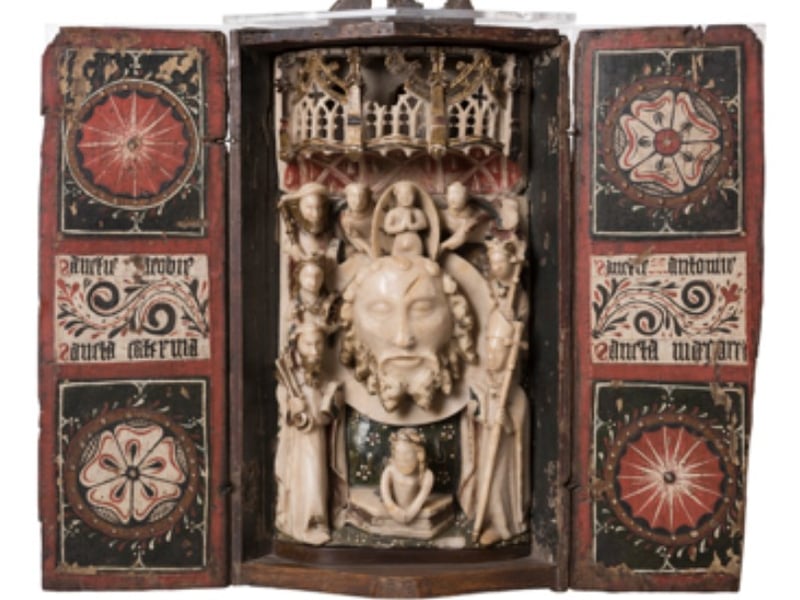
9. Tabernacle with Alabaster Carving
From the 15th century. Carved alabaster heads of St John the Baptist were produced for a mass market and sold at a modest price. They were treasured items, made to assist prayer in the home. | Burrell
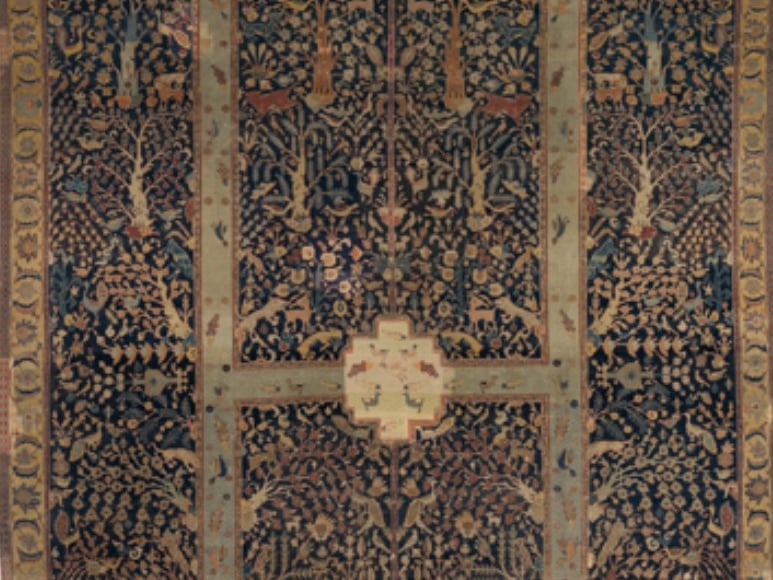
10. Wagner carpet
From the early 17th century, Safavid period, the garden design on this carpet is crammed with shrubs and trees, animals and birds intersected by water channels and a pool full of fish and ducks. | Burrell
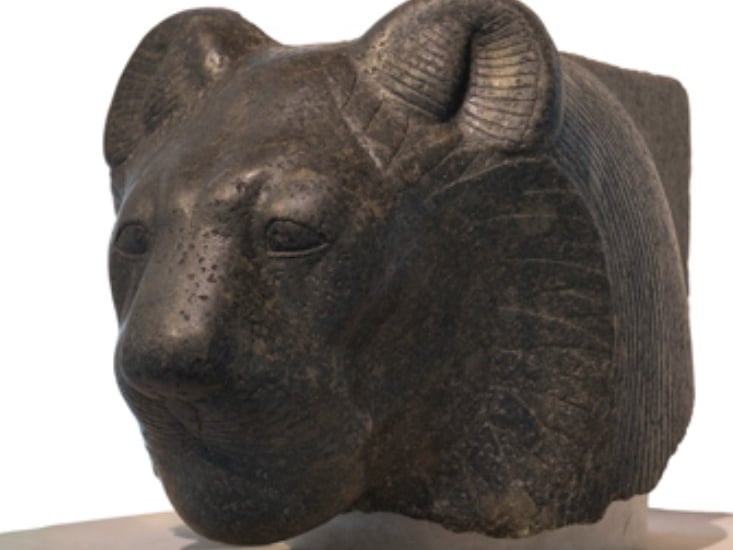
11. Head of Sekhmet
From the 18th Dynasty, reign of Amenhotep III, about 1390-1352 BC. Once a full-figured statue, this lion head represents the goddess Sekhmet, with the slot on its head originally holding a solar disc. It may have stood at Amenhotep III’s mortuary temple. | Burrell
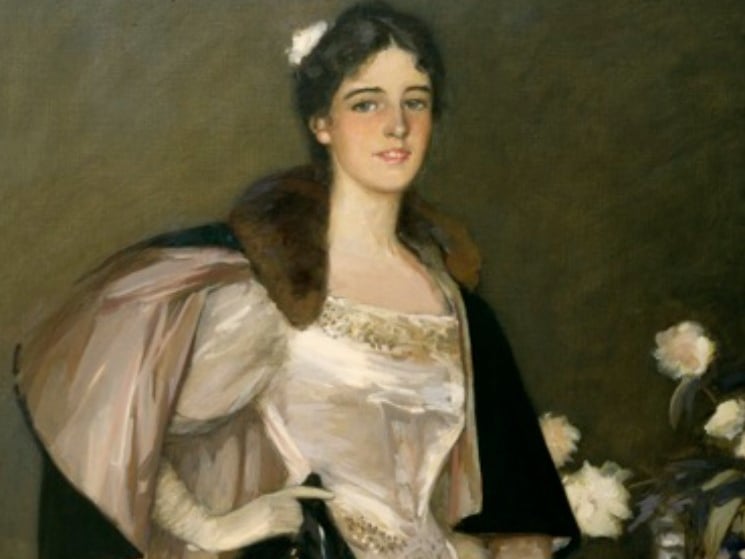
12. Portrait of Miss Mary Burrell
Glasgow Boy artist John Lavery was commissioned to paint this portrait by William Burrell for his sister’s 21st birthday. It shows Mary Burrell’s sophistication and the objects hint at her own collecting interests. | Burrell