
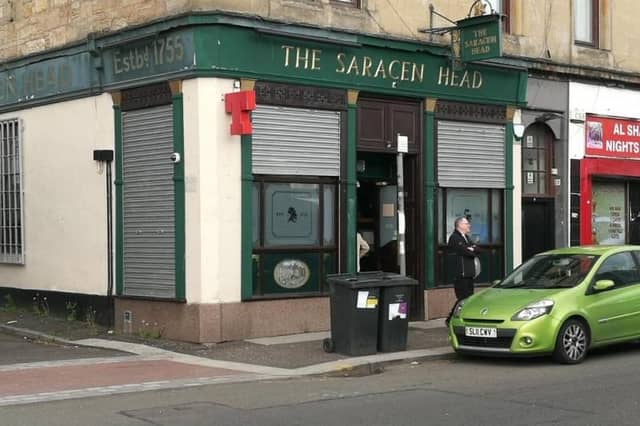


Robert Burns, one of Scotland's most famous figures, is thought to have visited Glasgow five times before his death in 1796.
His earliest connection to Glasgow was through the Tennant family, specifically John Tennant of Glenconner Farm, who was the next-door neighbour to Burns' father, William Burness, when the family leased a market garden at Alloway.
Shortly after Burns' birth, a violent storm destroyed the roof of the two-roomed cottage William had built on the site. The Tennants provided shelter to the Burns family until William could rebuild.
John Tennant later became factor to the Earl of Glencairn, and it was his fourth son, Charles, or "Wabster Charlie" as Burns called him, who established the link to Glasgow. Charles, a skilled weaver, patented a successful bleaching process, which led him to build a factory at St. Rollox that featured the largest chimney stack in Europe. He and his family lived in a grand mansion in Blythswood Square, and he was a prominent advocate of the Reform Movement.
Today, some of the Glasgow locations Burns visited can still be seen, including his statue prominently situated in the city centre at George Square.
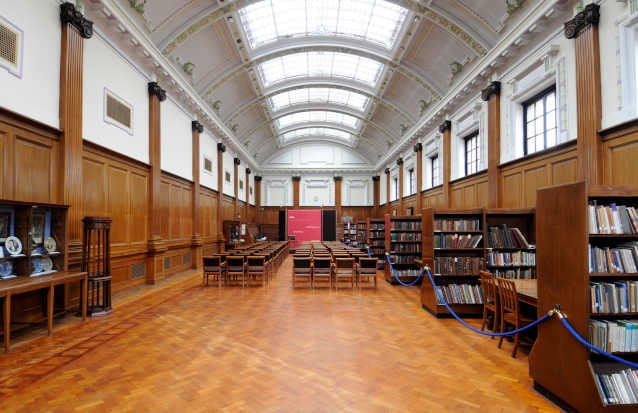
5. The Mitchell Library
The Mitchell Library’s Robert Burns Collection is one of the largest, most wide-ranging and growing collections of books on Burns in the world. It also contains original manuscripts, as well as Burnsian artefacts and ephemera. It is a popular focus for research for Burns fans everywhere. | Glasgow Life
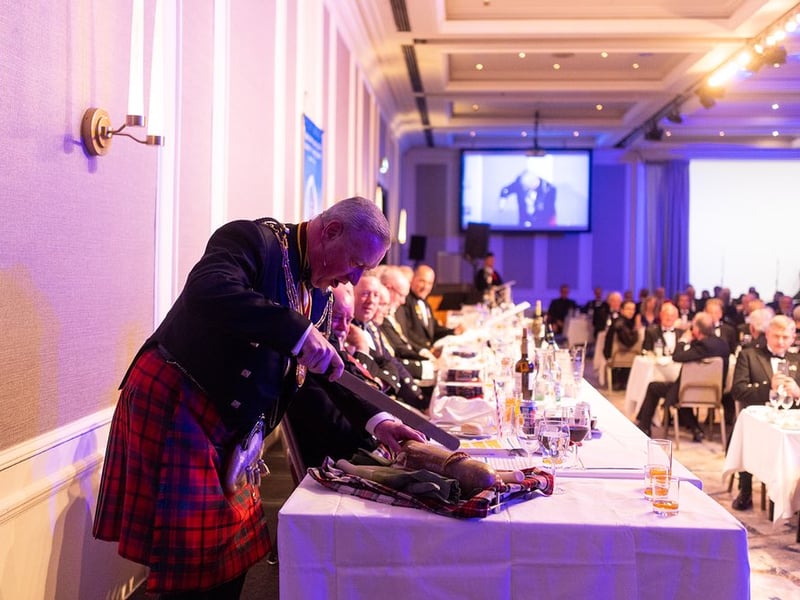
6. Bridgeton Burns Club
Bridgeton Burns Club was formed in 1870 on the initiative of the first President, John Wilson. In the late nineteenth century, the group met in the Club Rooms at 2 James Street, and later in the Mechanics’ Hall on Canning Street. | Bridgeton Burns Club