

From grazing land granted to the people of Glasgow in the fifteenth century to a centre of political gatherings, industrial exhibitions, and public celebration, Glasgow Green has reflected the changing identity of the city itself.
Located beside the River Clyde, the Green is the city’s oldest public park and one of Scotland’s most important civic spaces. Its origins date back to 1450, when King James II granted the land to the Bishop of Glasgow for the use of the city’s people. Over time, the Green evolved from a simple area of common land, into a major social, political, and cultural landmark.
Throughout Glasgow’s development as an industrial city, Glasgow Green became closely connected to the lives of ordinary people. Workers gathered there for political demonstrations and protests demanding better conditions and greater rights during the eighteenth and nineteenth centuries. At the same time, the park served as a place of recreation, offering open space and fresh air to residents living in crowded tenements nearby.
The Green is home to several important monuments and historic attractions that reveal different aspects of Glasgow’s past. The Nelson Monument, built in honour of Admiral Horatio Nelson, dominates the skyline, while the ornate Doulton Fountain is the largest fountain ever constructed of terracotta.
Today, Glasgow Green remains one of Glasgow’s most valued public spaces. It continues to host festivals, concerts, sporting events, and community gatherings.
Have a look at these pictures to learn more about Glasgow Green.
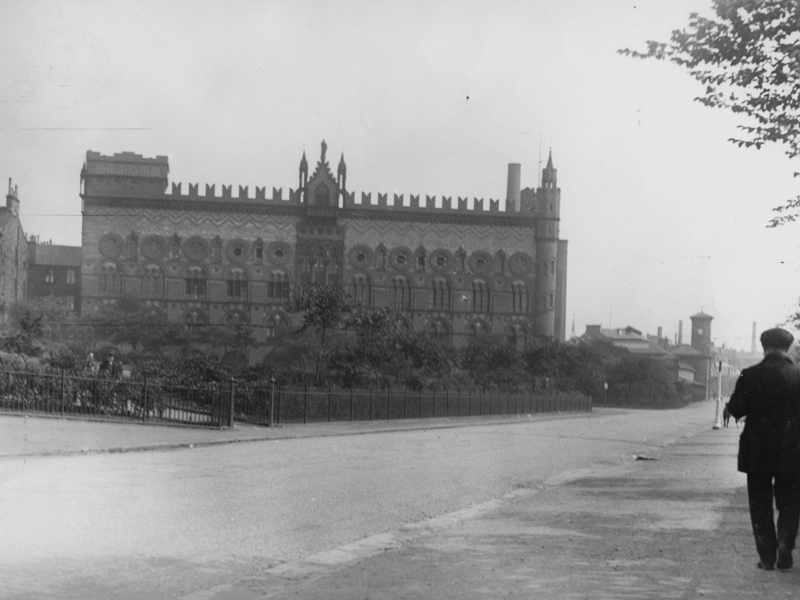
1. Glasgow Green 1916
Glasgow's oldest park, the land of which was gifted to the people of Glasgow in 1450 by Bishop William Turnbull. At this point it was very uneven and swampy with only a few green areas. | Virtual Mitchell
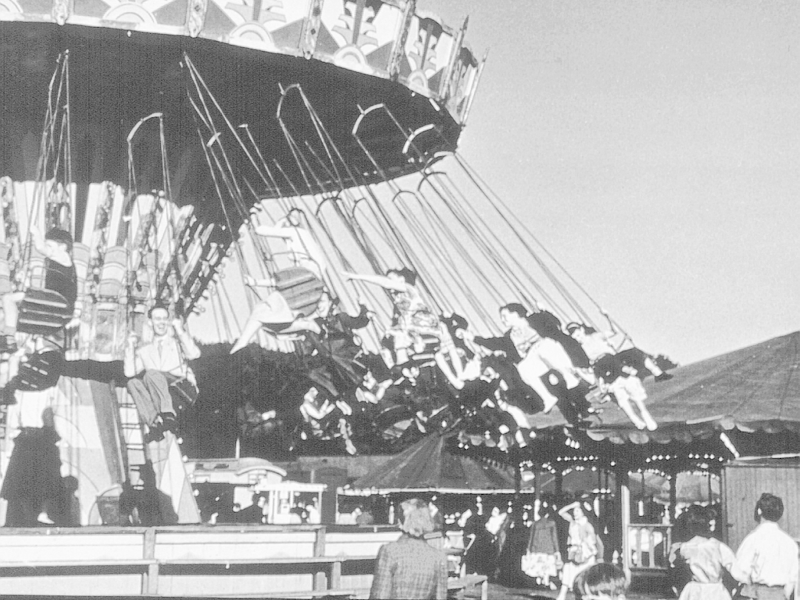
2. Glasgow Green 1955
For centuries it functioned as the city's only public green space and was initially used for washing, bleaching linen, grazing, drying fishing nets and swimming. | Virtual Mitchell
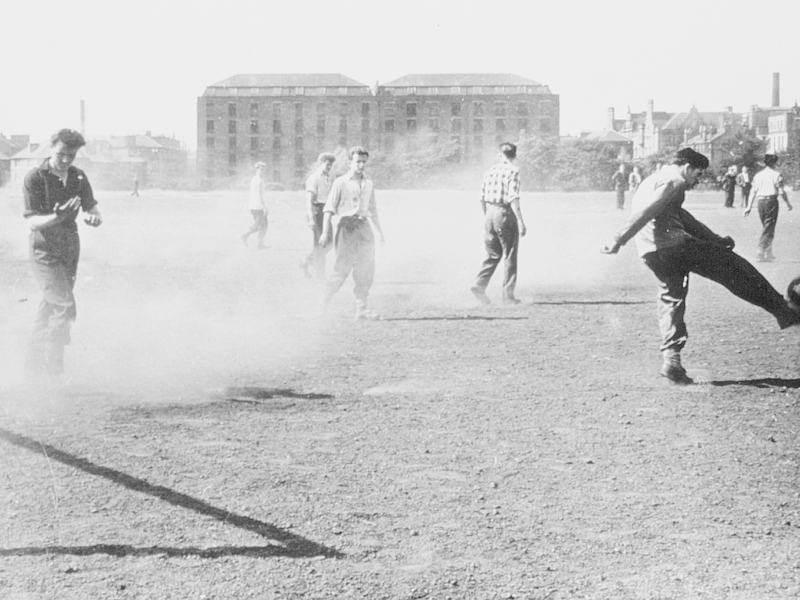
3. Glasgow Green 1955
In response to mass unemployment in the 19th century caused by an economic depression, Glasgow Town Council hired over 300 jobless workers to remodel the green and over the course of nine years they set about draining and levelling the land. This is what moulded it into the site it is today. | Virtual Mitchell
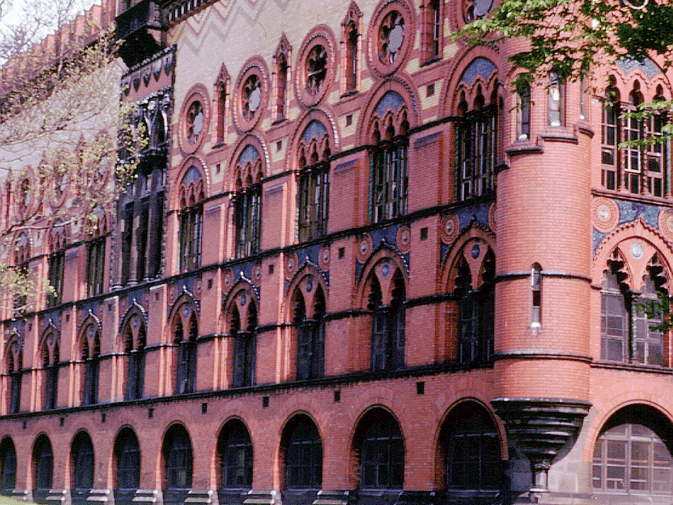
4. Glasgow Green 1975
It has hosted many historic events. It was the site of Glasgow's first wash house. In 1745, Bonnie Prince Charlie arrived with his army with their clothing in tatters, where merchants provided them with new garments. | Virtual Mitchell