

Kelvingrove Art Gallery and Museum opened in 1901 as part of the Glasgow International Exhibition, reflecting the city’s industrial wealth and civic pride at the height of the Victorian era.
Designed in a Spanish Baroque style by architects Sir John W. Simpson and E.J. Milner Allen, the building itself quickly became one of Glasgow’s most recognisable landmarks. Its grand red sandstone façade and expansive galleries were intended to showcase both fine art and scientific achievement, embodying the educational ambitions of the time.
In its early decades, the museum built on the collections of earlier institutions such as the Glasgow Museum and grew through donations from wealthy industrialists and collectors. Over time, it assembled an eclectic and internationally significant collection, ranging from European Old Masters to natural history specimens and arms and armour. Among its most famous works is Salvador Dalí’s Christ of Saint John of the Cross, acquired in 1952, which became one of the museum’s defining treasures and a major draw for visitors.
By the early 21st century, Kelvingrove required extensive restoration, leading to a major refurbishment between 2003 and 2006. The £35 million project reimagined the displays into themed galleries designed to be more accessible and engaging for modern audiences. Since reopening in 2006, Kelvingrove has remained one of the most visited museums in the United Kingdom outside London, celebrated not only for its diverse collections but also for its central role in Glasgow’s cultural life.
Explore the history of Kelvingrove Art Gallery and Museum below.
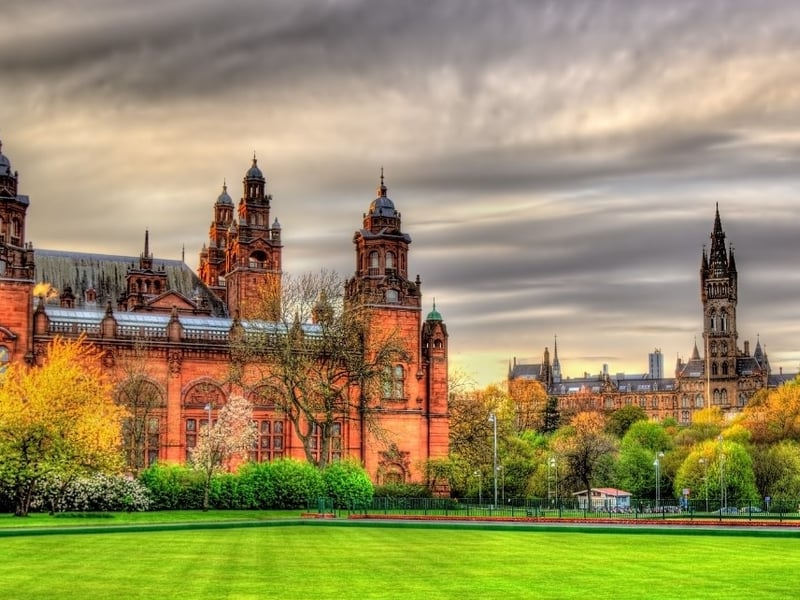
1. Kelvingrove Art Gallery and Museum...
Kelvingrove Art Gallery and Museum is one of the crown jewels of Glasgow's cultural offerings. For more than 100 years, it has hosted works by great masters and important artefacts from Glasgow and beyond. This is the story of Kelvingrove... | Supplied
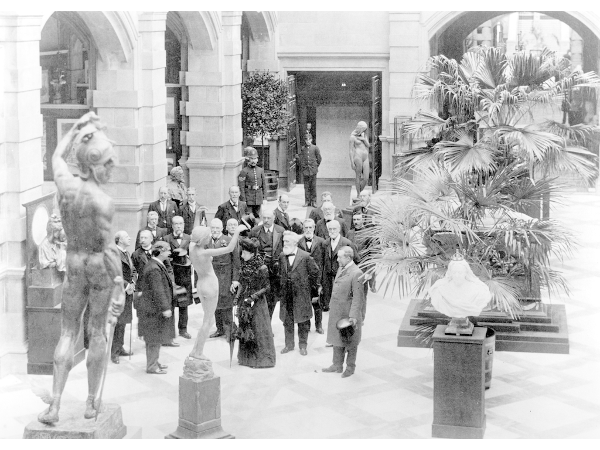
2. Kelvingrove opens its doors...
The original gallery was first opened in Kelvingrove House from 1870. The house was demolished in 1899, with the museum wing being demolished in 1911. Kelvingrove Skate Park sits on the former site of the house. | Virtual Mitchell
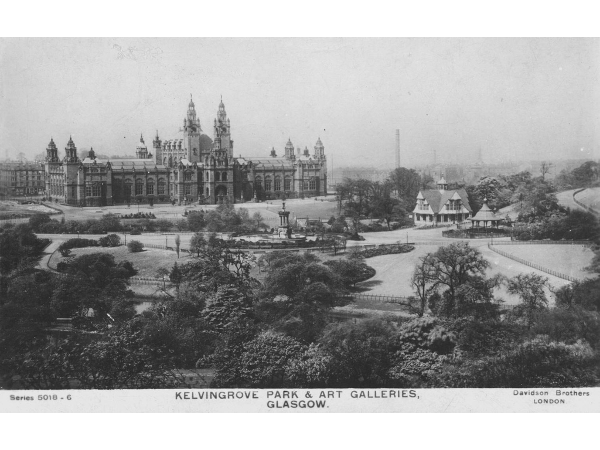
3. The new Kelvingrove Art Gallery and Museum...
The modern Kelvingrove Art Gallery and Museum was financed in part by proceeds from the 1888 International Exhibition and was designed in the Spanish baroque style by John W. Simpson and E.J. Milner Allen. As with many buildings in Glasgow, it was built using red sandstone from Locharbriggs. | Virtual Mitchell
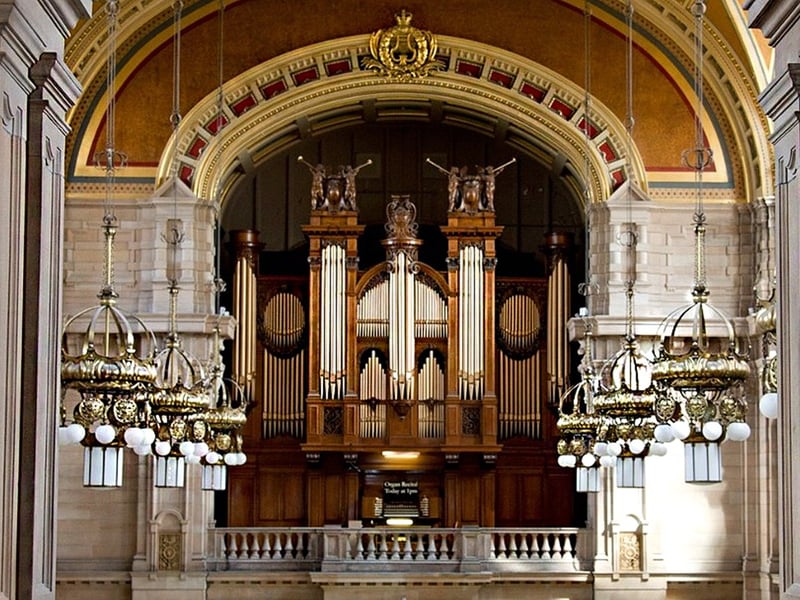
4. Grand organ...
The new Kelvingrove Art Gallery and Museum was opened in 1901 as the Palace of Fine Arts for the Glasgow International Exhibition that year. At the centre of the Concert Hall is the grand organ commissioned for the event. One Glasgow Councillor urged the corporation to purchase the organ saying without it “the art gallery would be a body without a soul”. | Glasgow Life