
From uniform to utility: How an army reservist is energising his civilian career
For many, a career in the Army is a lifelong commitment, but transitioning to civilian life doesn’t mean leaving behind purpose, discipline, or ambition. Colour Sergeant Steven Bell has proven just that by pivoting a 14-year career with The Royal Regiment of Scotland into a successful civilian career, inspiring others along the way.
The 34-year-old Glaswegian’s journey began in 2009 where he began as a full-time soldier with the 5th Battalion, The Royal Regiment of Scotland (5 SCOTS), before moving to 3 SCOTS in Inverness. Steven progressed through a variety of roles to the rank of Platoon Sergeant, developing his skills in leadership, resilience, and adaptability - all qualities that would later serve him well.
While serving full-time, Steven made the decision to further his education. In 2020, he enrolled in a BSc in Geography & Environmental Science through the Open University, using enhanced learning credits to support his studies.
“Taking the opportunity to study while serving was one of the best decisions I made,” he said. “It wasn’t always easy, juggling a full-time role in the army with studying was tough, but I knew that investing in my education would open doors for me when the time came to transition.”
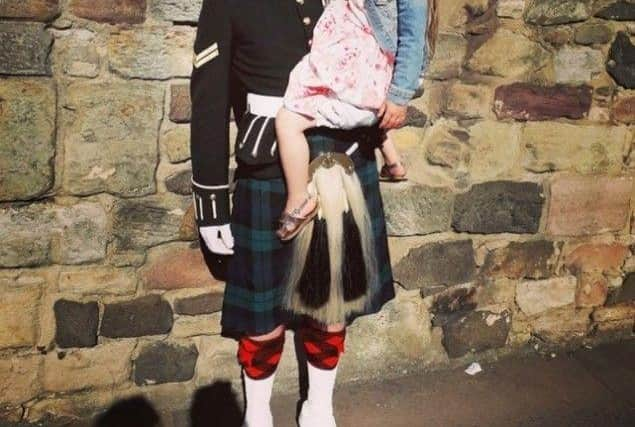

In 2023, Steven decided to utilise his achievements, transitioning from his full-time army role to a part-time reservist with 6 SCOTS based in Maryhill, Glasgow. The move allowed him to step into civilian employment as a Development Project Manager with Scottish Power Energy Networks (SPEN).
“My decision wasn’t solely based on my newly gained qualification. For me, the ability to transfer the core skills I had developed in the army like problem-solving and effective communication, was important to me too. Without my army background, I don’t know if I would have had the confidence to take myself on this journey.”
“Scottish Power saw my Army experience as a real asset,” he continued. “I’ve been working to encourage other veterans to consider careers in the industry because of how welcoming an experience I’ve had. There are several ex-forces personnel who have since joined Scottish Power, allowing their core skills to be developed further in a civilian role.”
For Steven, remaining committed to The Royal Regiment of Scotland was an important factor to consider when changing career. Steven remains in a part-time reservist role and has recently been promoted within the unit - continuing to serve and contribute to the military community.
Steven’s dedication to his military and civilian careers has been commended by his employers and the armed forces. This month, Steven was a finalist in the ‘Role Model of the Year’ category at the Scottish Veterans Business Awards - a prestigious event often referred to as the ‘Oscars of veteran employment’ celebrating individuals who have made a significant impact in supporting veterans transitioning into civilian life, whether through mentorship, advocacy, or leading by example. Steven’s nomination recognises not only his own successful transition but also his ongoing efforts to support other veterans in finding meaningful careers after military service.
“There’s a perception that once you’ve joined the Army, that’s your career for life,” Steven said. “But the skills you develop in the military are incredibly valuable in the civilian world. It’s about recognising those opportunities and taking the leap.”
His story serves as an inspiration this National Careers Week (March 3-7), clearly demonstrating the many career paths available following the Army that harbour the value of military training and experience in the wider world.
Steven adds: “Whether it's through further education, skill development, or alternative routes, there are always new opportunities to explore, both inside and outside the military. I would encourage anyone who is considering a career in the army to remember it comes with a variety of opportunities both in a full-time or reservist role.”