
Winter’s Edge: Scotland’s growing homelessness crisis
As winter grips Scotland, the harsh reality of homelessness becomes more visible, with thousands facing freezing nights on the streets.
Despite government initiatives and community efforts, many still fall through the cracks. This article explores the human impact, challenges, and policy gaps while highlighting steps toward lasting solutions.
As temperatures drop, homelessness in Scotland becomes an increasingly urgent issue, particularly for those living on the streets. Despite progress in housing policy and public support for action, the challenges of winter intensify the risks faced by rough sleepers, highlighting the need for comprehensive, practical solutions.
Current Landscape of Homelessness in Scotland
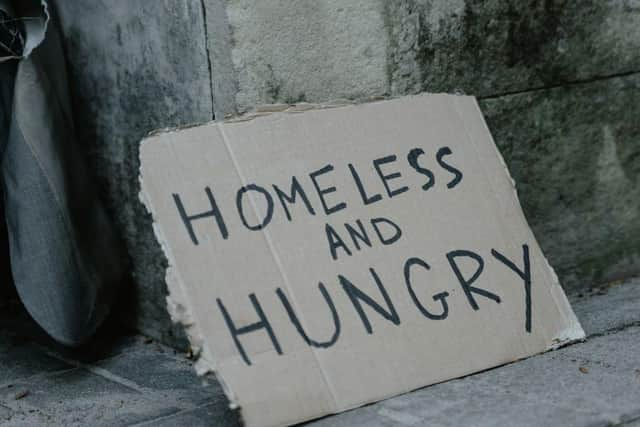

Scotland has long been recognised for its progressive approach to tackling homelessness. The introduction of the Homelessness and Rough Sleeping Action Group (HARSAG) and the nation’s “Housing First” model aim to provide long-term solutions rather than temporary fixes. However, data from Crisis and Shelter Scotland shows that thousands still face homelessness each year, with rough sleeping remaining a persistent issue in urban areas like Glasgow, Edinburgh, and Aberdeen.
Last year, the Scottish Government reported over 28,000 open homelessness cases, demonstrating the scale of the issue. A significant portion of these individuals face street homelessness during the harsh winter months, compounding physical and mental health risks.
Winter-Specific Challenges
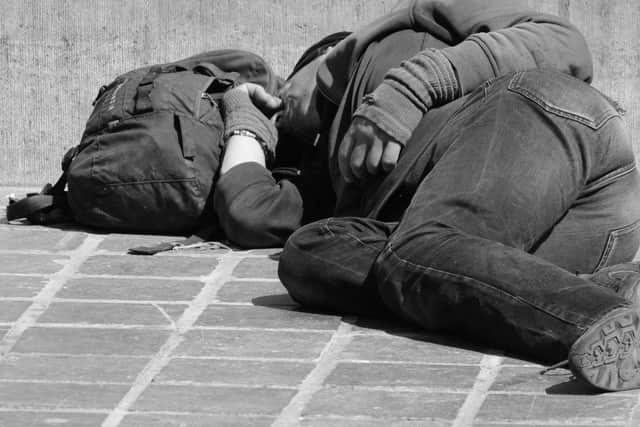
Winter exacerbates the dangers of rough sleeping, including hypothermia, frostbite, and other health complications. Limited access to shelter, compounded by overcrowded facilities, means that many are left exposed to extreme weather conditions. The emotional toll of isolation during the holiday season further worsens mental health, contributing to cycles of homelessness that are harder to escape.
Domestic Policy Responses
The Scottish Government has implemented several measures to combat homelessness, including:
• The Winter Plan for Vulnerable People: Offering emergency accommodation during cold weather, with additional support for rough sleepers.
• Expanded Funding for Housing First Initiatives: Aiming to provide permanent homes for those with complex needs.
• Street Outreach Services: Organizations like Simon Community Scotland and Streetwork operate across major cities, connecting individuals to resources and shelter.
Despite these efforts, gaps remain in capacity, coordination, and long-term funding, leaving many vulnerable individuals without adequate support.
What More Can Be Done?
To address the systemic and seasonal challenges of homelessness in Scotland, policy changes and community engagement are crucial:
1. Expand Emergency Winter Shelters: Increase funding for temporary accommodations and warming centers to ensure no one is left on the streets during freezing temperatures.
2. Strengthen Mental Health Services: Winter intensifies the mental health struggles of homeless individuals. Greater access to counseling and rehabilitation programs can help break the cycle of homelessness.
3. Community Involvement: Encourage local communities to support efforts through donations, volunteering, and advocacy.
4. Streamline Support Systems: Coordinating between public, private, and third-sector organizations can improve resource allocation and outreach.
The increasing number of children experiencing homelessness in Scotland is a pressing concern that demands immediate attention. Local councils, already stretched thin, are unable to house everyone in need, leaving many families to face the harsh reality of sleeping on the streets.
For those lucky enough to find space in temporary shelters, the costs—often around £20 per night—are an additional barrier for struggling households. These challenges highlight the need for innovative and compassionate solutions that ensure no child or family is left without a safe place to call home.
As winter deepens, it is essential to reimagine how Scotland can meet this growing crisis with policies that prioritize housing as a fundamental right.
Conclusion
As winter deepens, Scotland faces a moral imperative to address the urgent needs of those experiencing homelessness. While domestic policy has made strides, the rising number of individuals without safe housing calls for stronger, more innovative solutions.
By focusing on long-term housing security and immediate winter relief, Scotland can continue its leadership in tackling homelessness and set an example for other nations.