

The latest government figures have been released detailing passenger numbers at train stations across South Lanarkshire last year - so naturally we've ranked the most busy train stations in their local authority.
Data from the Office for Rail and Road (ORR) tracks the number of commuters entering and exiting every train station in Britain, including all train stations in Scotland.
We’re using the latest data from the Office for Rail and Road, released in December 2025, using data gathered from station usage metrics from April 2024 to March 2025 - the latest data available.
Predictably, Glasgow Central, Edinburgh Waverly and Queen Street station are the top stations in the country, but what about the rest of Britain? Data figures show Liverpool Street in London was once again the most-used station in Great Britain.
Glasgow Central Station is the fourth busiest station in the United Kingdom outside of London and naturally the busiest in Scotland.
Here are the 20 busiest stations in South Lanarkshire, ranked from most to least passenger numbers in 2025 - included also are the most popular destinations and origin station from each train station.
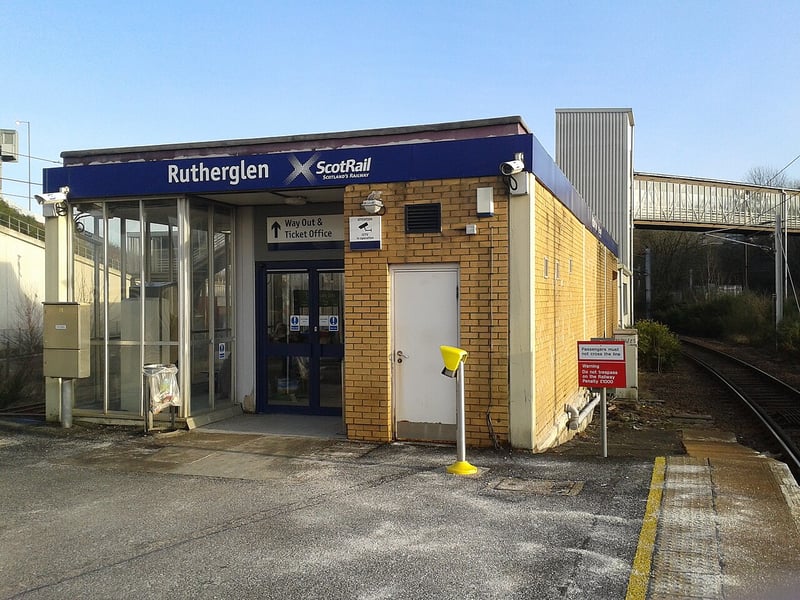
1. Rutherglen
Rutherglen train station is the busiest train station in South Lanarkshire. It recorded a total of 871,338 entries and exits, and its most popular destination was Glasgow Central Station. | Wikimedia Comms
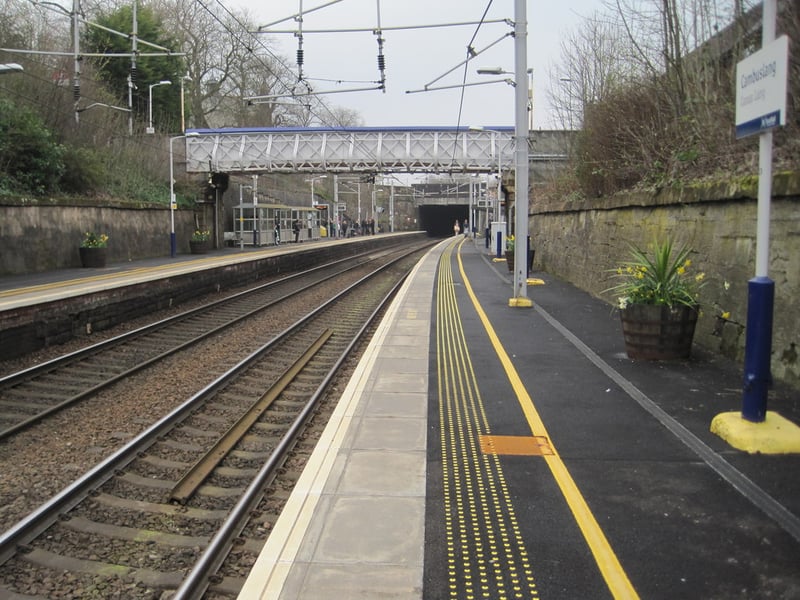
2. Cambuslang
Cambuslang is the second busiest train station in South Lanarkshire - a total of 831,150 entries and exits were recorded between 2024 and 2025. The most popular destination/origin point was Glasgow Central Station. | Wikipedia
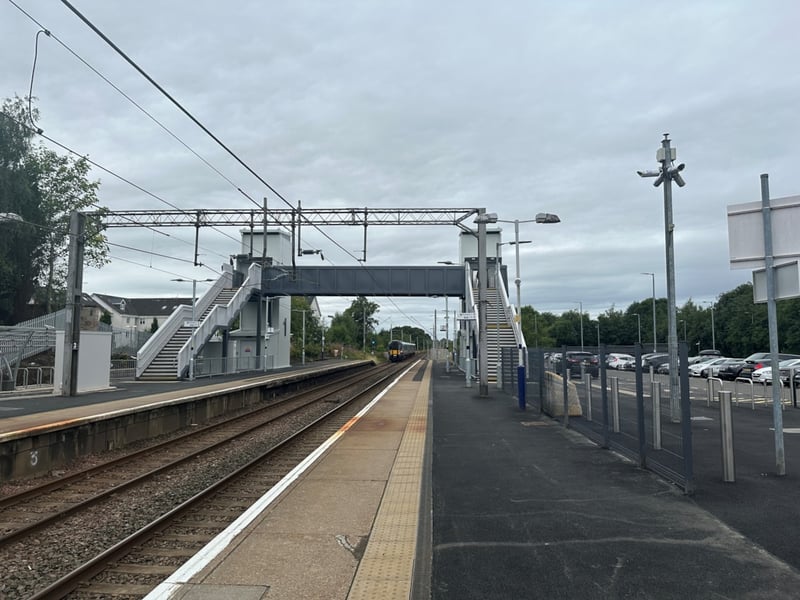
3. Uddingston
Uddingston Railway Station is the third most popular train station in South Lanarkshire - a total of 702,066 entries and exits were recorded. The most popular origin or destination point was Glasgow Central Station. | Network Rail
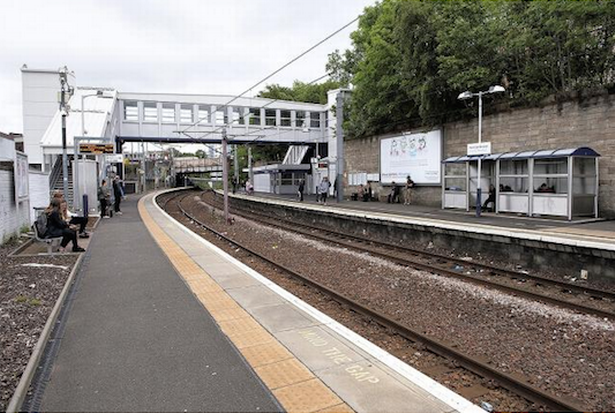
4. Hamilton Central
Hamilton Central recorded a total 686,520 entries and exits, the most popular destination/origin point was Glasgow Central Station. | Wikimedia Comms