

Glasgow's blueprint to guide the city's regeneration and development ambitions over the next decade has been unveiled. The City Development Plan outlines how the city will be revitalised and made more resilient.
The plan has been given the green light by the Council's Economy, Housing, Transport and Regeneration Committee. It will now go before the City Administration Committee for approval and will be the subject of public consultation.
Councillor Ruairi Kelly, Convener for Development, Housing and Land Use at Glasgow City Council, said CPD2 was, "vital for attracting investment and development and support the sectors which are key to Glasgow's continuing economic growth."
Councillor Kelly added: "The new City Development Plan is the roadmap for Glasgow's future, across the next decade and beyond. It's the blueprint for boosting our population, building tens of thousands of new homes, readying Glasgow for new employment opportunities, its status as the heart of Scotland's only metropolis and continuing our world-leading work on the climate emergency.
"Once this draft is approved by Glasgow City Council, we will be seeking input from communities and developers alike to make sure we have a plan that delivers for everyone in the city and prepares us for the decades to come."
Keep reading to see what we learnt about Glasgow’s future
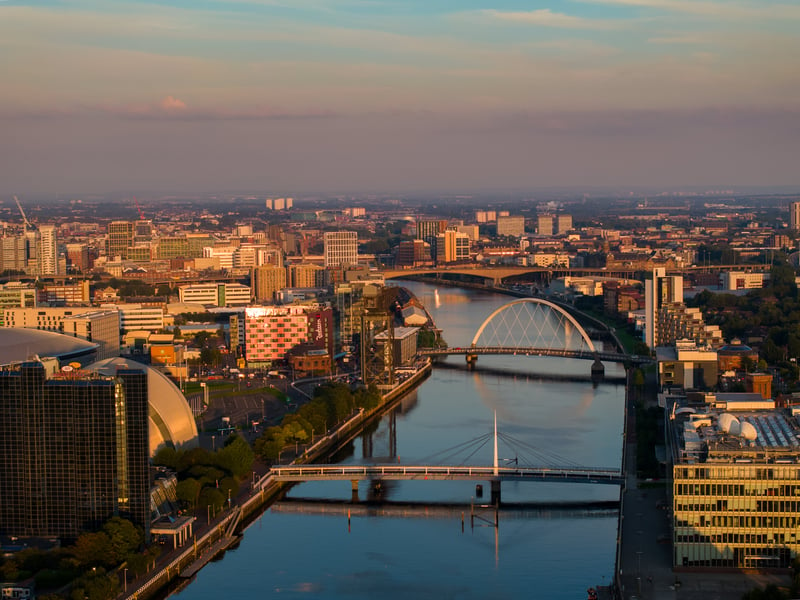
1. There are regeneration of browfield sites along the Clyde
The plan includes '36 Areas of Change' across the city with the aim making land available for over 30,000 homes along the River Clyde corridor, north and north-east Glasgow, the reuse of brownfield land for new homes and a River Park along the Clyde. The Local Housing Land Requirement has identified the need for 22,569 homes. The City Development Plan has allocated 297 sites for 31, 490 homes. | © Glasgow Life. All rights reserved.
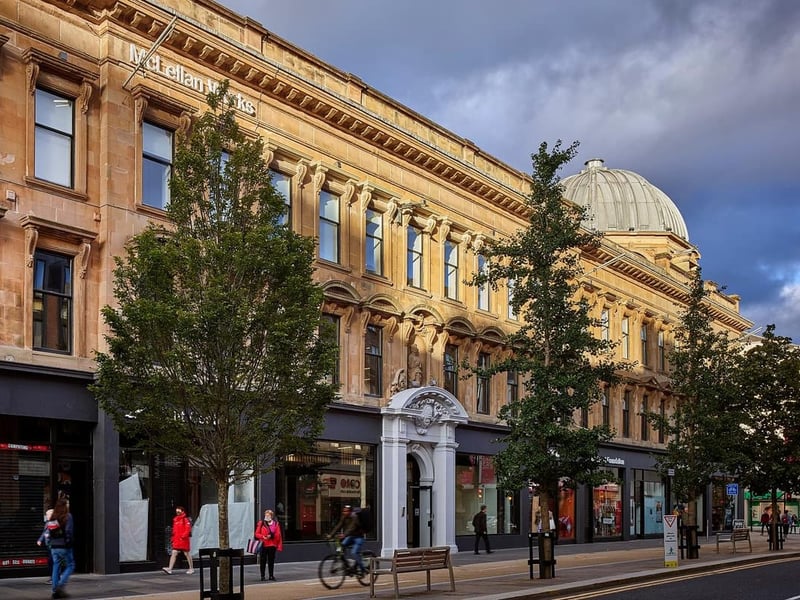
2. There's a focus on 'climate and biodiversity crises'
Policy to "protect and enhance Glasgow’s natural assets, biodiversity, soils and trees" will help the city tackle climate and biodiveristy crises. Glasgow’s Forestry and Woodland Strategy (FWS) sets an aim of increasing the total tree canopy across Glasgow, from the current 18% to 20% by 2034. | Bywater Properties
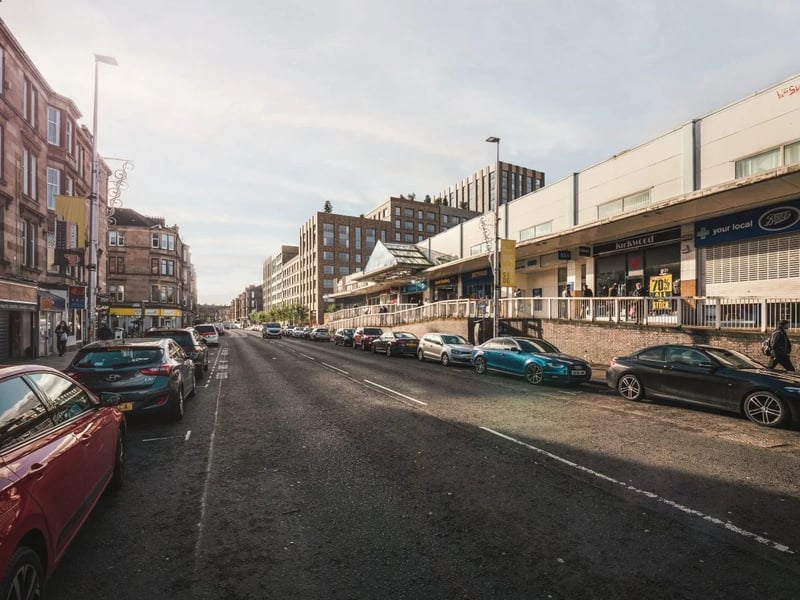
3. Economic Development Areas could bring town centre regeneration
The plan includes the creation of Economic Development Areas as a focus for business growth and innovation, local town centre regeneration proposals for Drumchapel, Easterhouse, Shawlands and Castlemilk, as well as the City Centre, and delivering on the huge regeneration potential of the River Clyde corridor. | Supplied
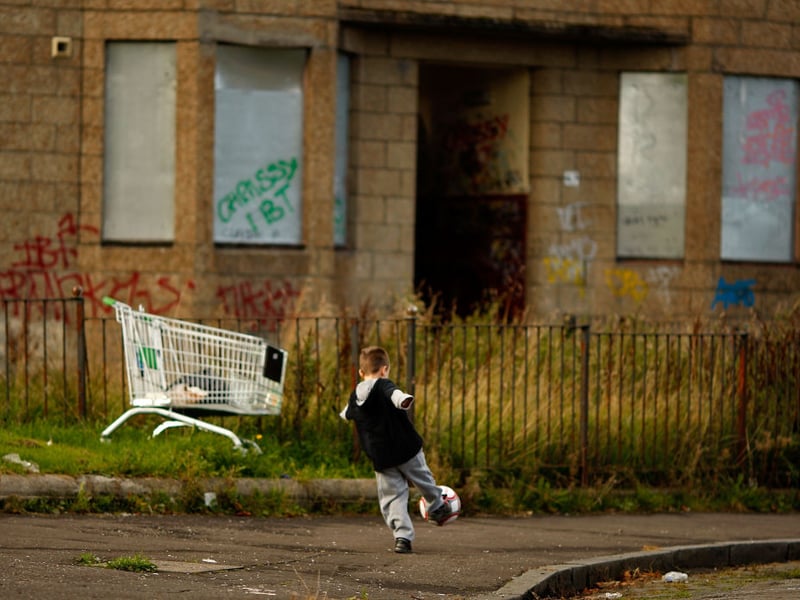
4. It aims to reduce child and family poverty through 'local living'
The CDP states: "local living can reduce the cost of living and increase family income and can also lead to healthier communities by encouraging physical activity through access to open space and active travel. Planning can help provide access to affordable, healthier food throughthe provision of land for food shops and opportunities for food growing." | Getty Images