
Glasgow leads Scottish cities in house price growth with 5% increase in 2025

Rettie highlights average house prices are on track to rise by 3% in Scotland this year due to a slightly improving economic outlook. House price growth in Glasgow has been stronger than in the other cities.
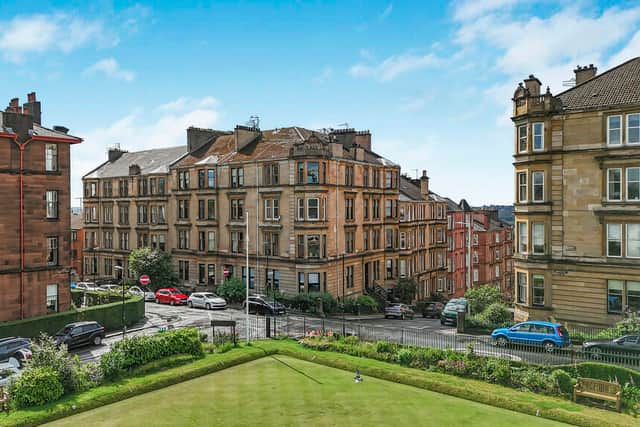
The average house price in Glasgow has grown by 5 per cent during the first eight months of the year, well ahead of the current annual inflation rate of 3.8 per cent, leading other Scottish cities, with growth in Edinburgh falling behind the national average, according to the latest figures from Rettie estate agents.
Lead researcher Dr John Boyle states: “On a 12-month rolling basis, the average house price in Glasgow has continued to outpace Scotland’s main cities, growing by over 5% to nearly £218,000. Edinburgh and Dundee have both grown by c.1%, while the average price in Aberdeen has continued to decline (down 1.2%).
“However, the average house price in Edinburgh (c.£338,000) continues to surpass other areas. In 2025, (Jan-Aug) the number of house sales has risen by 5.5% YOY as the market continues to recover from the slump over 2022-23.”
In terms of the rental market in Scotland: “Average advertised rents continue to reach new all-time highs as the market adjusts to political change, but new listings are finally increasing again after four years of notable declines. The exemption of Build to Rent (BTR) from rent caps in the New Housing (Scotland) Bill will help to unlock delivery of new rental homes.
“Rental listings/availability has increased, which has moderated rent rises in recent quarters, but the new Housing Bill will push landlords to raise rents within existing tenancies to market value over the next two years in situations where they are below the current market.”
Dr Boyle adds: “As we forecast at the start of 2025, the Scottish housing market has moved at a steady pace this year, with only modest uplifts in the key market metrics. The market remains in a delicate condition given that interest rates and mortgage rates remain high in a recent historical context and economic growth is limited. The new build sales market has also shown some improvement but is well down on pre-2022 levels. The rental market has cooled after substantial growth in rents and the increase in rental availability is a positive, but we are yet to see the full impacts of the new Housing Bill.”
New build transactions in 2025 to date have risen for the first time since 2022, but market activity remains low in historical terms, as the sector continues to struggle with rising costs and fewer land opportunities.
The average advertised rent in Scotland has risen sharply since 2020 and currently stands at £1,250pcm as of Q2 2025, which is the highest on record. Over the last three years, the average rent has grown at a compounded annual rate of 9.4% nationally, which is more than double the ten-year rate: “The recent growth reflects the diminishing rental supply and persistent demand, particularly among students and young adults. However, it has also been caused by political intervention.”
Rettie includes an overview of the market outlook and forecasts for Scottish house prices in 2026: “Falling mortgage rates and rising rents are continuing to nudge the sales market in a positive direction. The implementation of the UK Government’s mortgage guarantee scheme should provide further tailwinds to market activity through helping first-time buyers expand their access to credit.
“Recent economic forecasts from the Bank of England Monetary Policy Committee report suggests modest GDP growth over the next three years. Market expectations are that interest rates will remain around 3.5-4% for the foreseeable future.
“Our market forecasts throughout the first half of 2025 are on track for a rise in average prices of 3% by the end of the year. We expect similar growth in the following years, supported by modest disinflation and moderate increases in economic growth.
“Sales activity has quickened slightly above expectations, in part due to government initiatives and falling mortgage rates. We forecasted a 2% rise in sales activity, equating to 100,000 sales for the calendar year. In 2025 (Jan-Aug), sales activity suggests a rise of 5% over the year to c.103,000 by the end of 2025. This will vary across geographies and property types.
“In terms of the rental market, further rental growth may be limited due to a notable return of rental stock back onto the market. In addition, more renters may be able to access sufficient financing due to the mortgage guaranteed scheme to place a deposit on a house, where the average monthly payment is now 15% below the average rental payment. However, this will be counterbalanced to some extent by landlords moving rents to market values over the next two years in circumstances where they are currently ‘under renting’.”