

Bridgeton is a historic district in the East End of Glasgow, whose development was closely tied to the city’s rapid industrial expansion in the 18th and 19th centuries.
The area takes its name from a bridge built over the River Clyde in the late 18th century, linking Glasgow to the growing settlements on the south side. As industry flourished—particularly textiles, engineering, and shipbuilding—Bridgeton became a densely populated neighbourhood of tenements housing generations of skilled and unskilled workers.
During the 19th century, Bridgeton developed a strong identity shaped by factories, foundries, and its proximity to the Clyde. It became known for its political activism and sectarian tensions, which were common in parts of Glasgow’s East End during this period.
Landmarks such as Bridgeton Cross and the area’s distinctive Victorian architecture reflected both civic pride and industrial wealth. Over time, however, deindustrialisation in the 20th century led to economic decline, job losses, and population changes, significantly reshaping the community.
In recent decades, Bridgeton has experienced regeneration efforts aimed at improving housing, infrastructure, and local amenities.
Here are 12 nostalgic pictures that perfectly capture the spirit of Bridgeton in Glasgow’s East End.
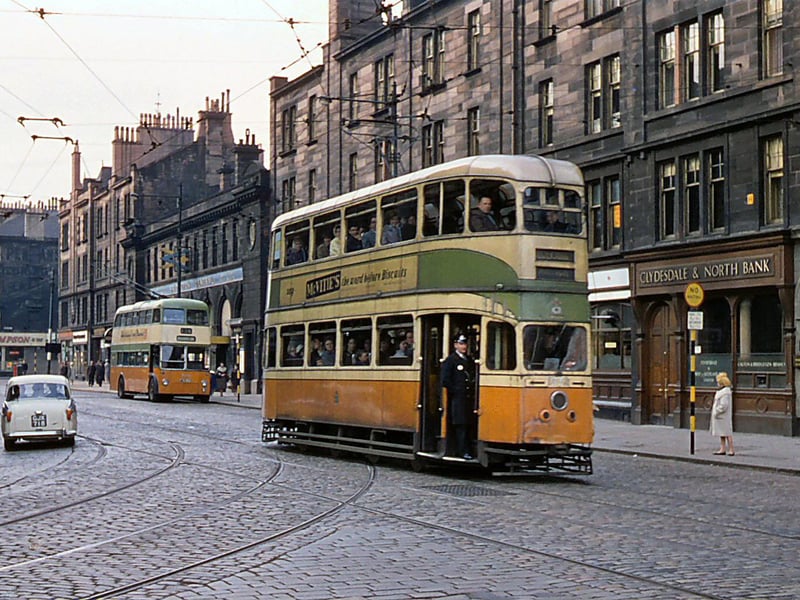
1. Bridgeton
A trolley bus and tram pictured in Bridgeton. | Ian Semple
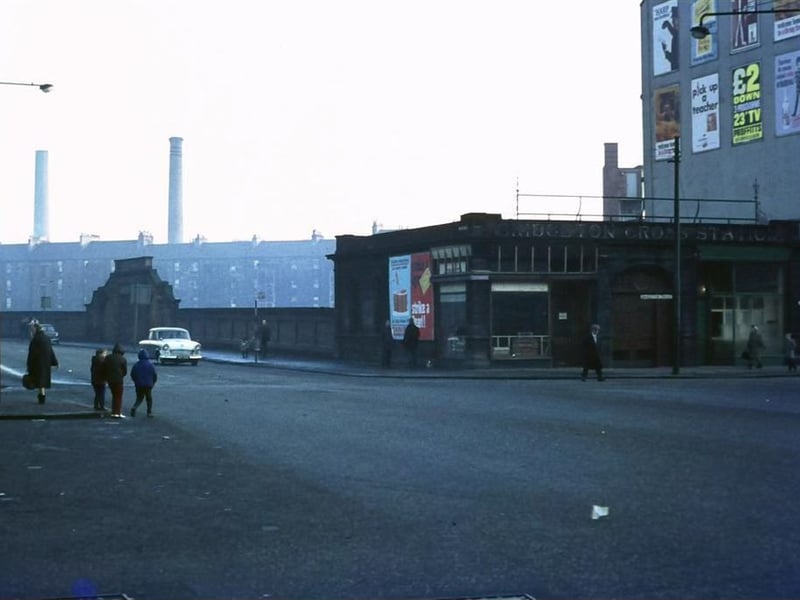
2. Bridgeton Train Station (1968)
Bridgeton Train Station pictured in the late 1960s. | Vintage Glasgow
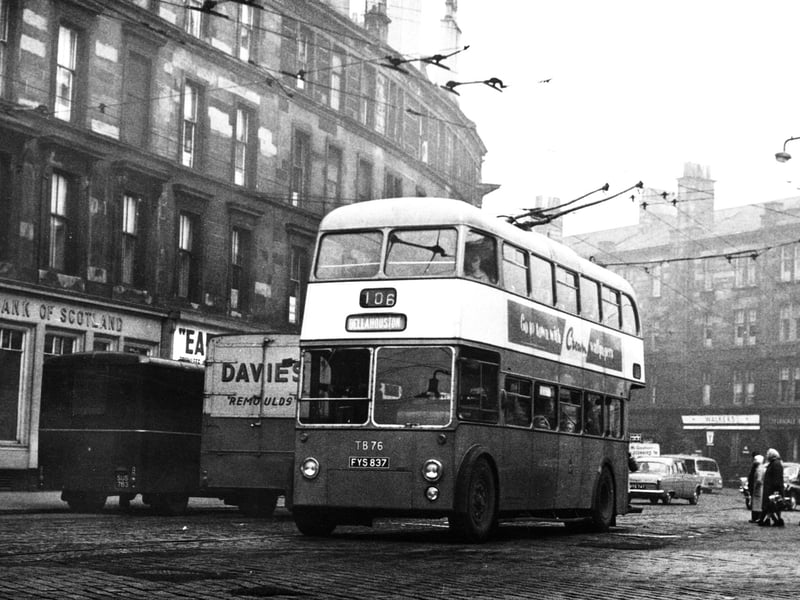
3. Bridgeton Trolley Bus
A trolley bus pictured in Bridgeton | Irene Robertson.
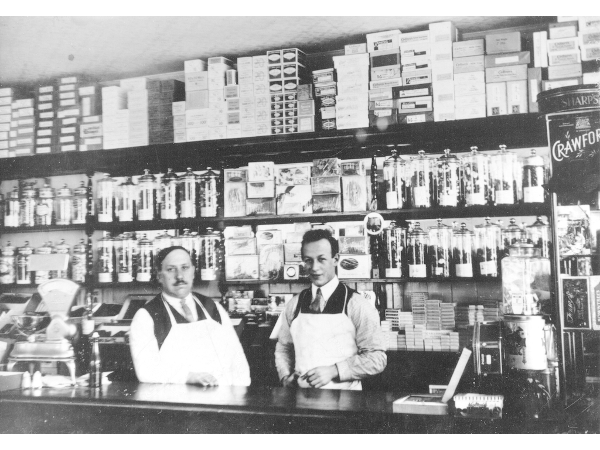
4. The Premier Cafe
Behind the counter at the Premier Café on Bridgeton Main Street | Virtual Mitchell