

Partick has a long distinctive history that predates its incorporation into the city.
Originally an independent burgh, Partick grew up along the River Kelvin, near its confluence with the River Clyde. Its name is thought to derive from the Gaelic “Parraig” or “Partaig,” possibly meaning “place of the little croft.” For centuries, it remained a small rural and fishing community, with agriculture and river-based trade shaping daily life.
By the 18th and 19th century, Partick underwent rapid industrialisation. Its proximity to the River Clyde made it an ideal location for shipbuilding, engineering, and manufacturing industries that were booming across Glasgow. The area saw a surge in population as workers moved in, leading to dense tenement housing.
In 1852, Partick became a police burgh, gaining a degree of local governance. However, its independence was relatively short-lived. In 1912, it was officially incorporated into Glasgow as the city expanded.
Here are 15 nostalgic pictures that perfectly capture the spirit of Partick in Glasgow’s West End.
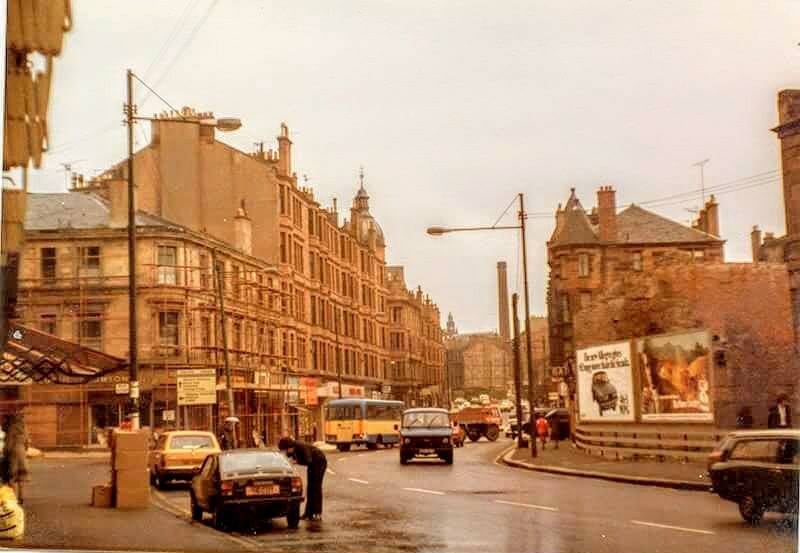
1. Dumbarton Road (1980)
Looking east along Dumbarton Road in June 1980. | George Lane
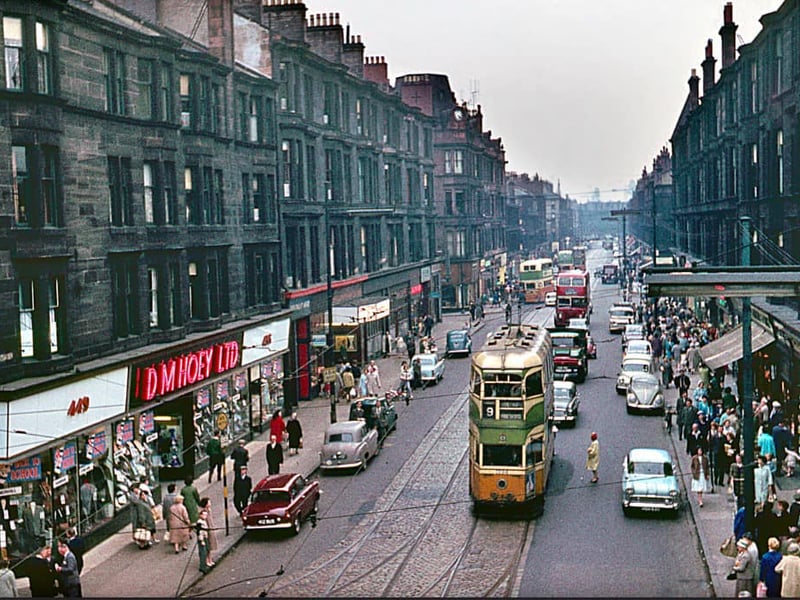
2. Dumbarton Road (1961)
Dumbarton Road from the railway bridge at Hayburn Street in 1961. | Derek Phillips
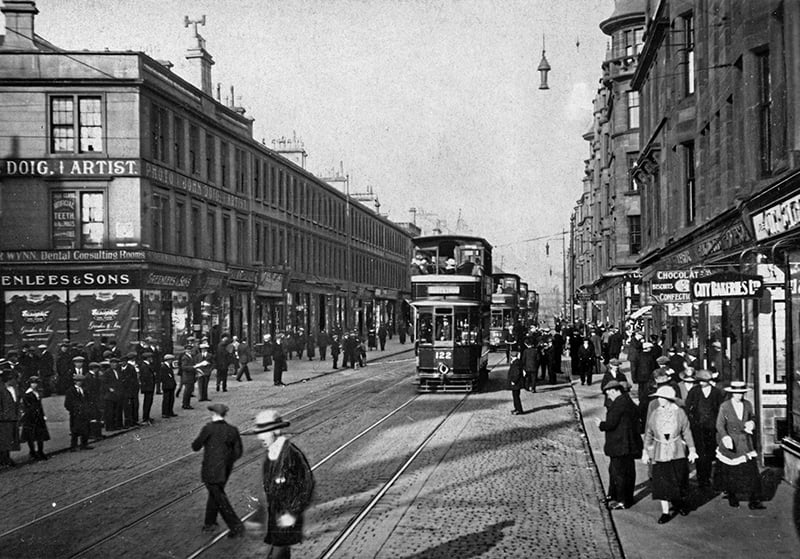
3. Dumbarton Road
Dumbarton Road pictured back in the day in the heart of Partick. | Stenlake Publishing Limited
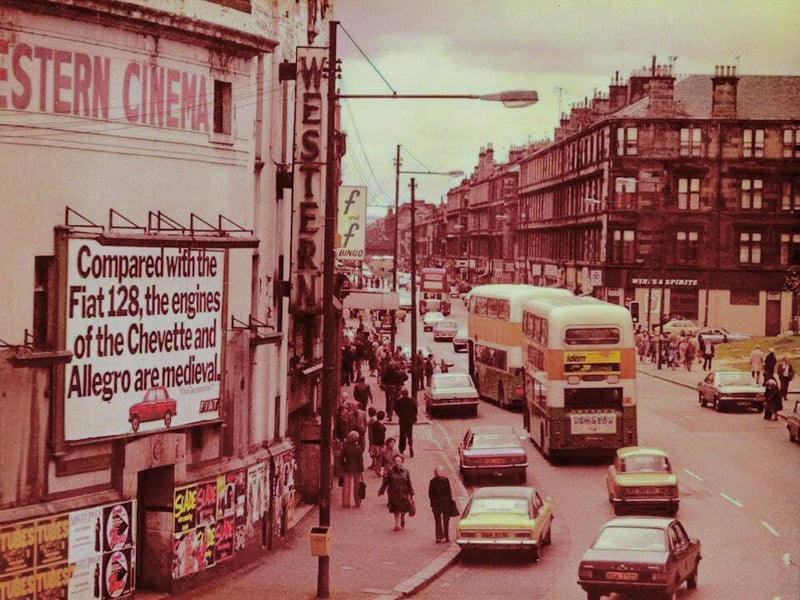
4. Dumbarton Road (1970s)
Heading round the corner at the Western Cinema on Dumbarton Road in the 1970s. | Pintrss