
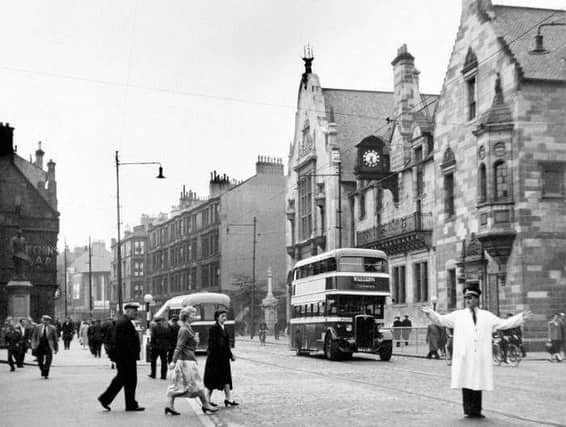


Govan is one of the oldest continually inhabited places in Scotland, with roots reaching back over a thousand years.
In the early medieval period it was a major centre of the Kingdom of Strathclyde, and later an important religious site. The Govan Stones, a remarkable collection of carved early Christian and Viking-era monuments housed in Govan Old Parish Church, are among the most significant archaeological remains from this time and point to Govan’s political and spiritual importance.
From the late medieval period onward, Govan developed as a small rural parish and river crossing on the south bank of the River Clyde. Its fortunes changed dramatically in the 18th and 19th centuries with the Industrial Revolution. Shipbuilding, engineering, and related industries transformed Govan from a village into a booming industrial destination, drawing workers from across Scotland and Ireland. In 1864, Govan became a burgh in its own right, reflecting its growing population and economic power.
In 1912, Govan was incorporated into the city of Glasgow, marking the end of its political independence but not its strong local identity. The decline of heavy industry in the late 20th century brought significant challenges.
Despite this, Govan has remained a place of resilience and community pride, with ongoing regeneration efforts and a renewed focus on its rich heritage, particularly its early medieval past and shipbuilding legacy.
Here are 22 nostalgic photos that perfectly capture the spirit of Govan.
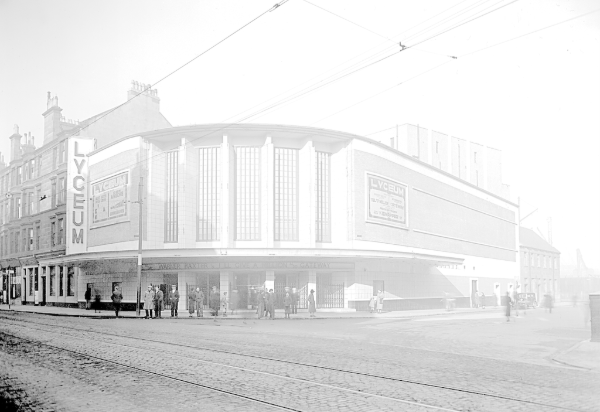
9. Lyceum (1939)
The Lyceum cinema pictured on Govan Road in 1939. | Glasgow City Archives
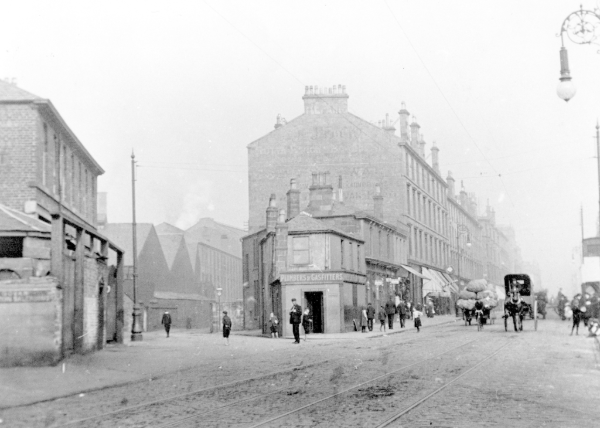
10. Govan Road (1900)
Junction of Main Street and Govan Road around 1900. | Glasgow City Archives
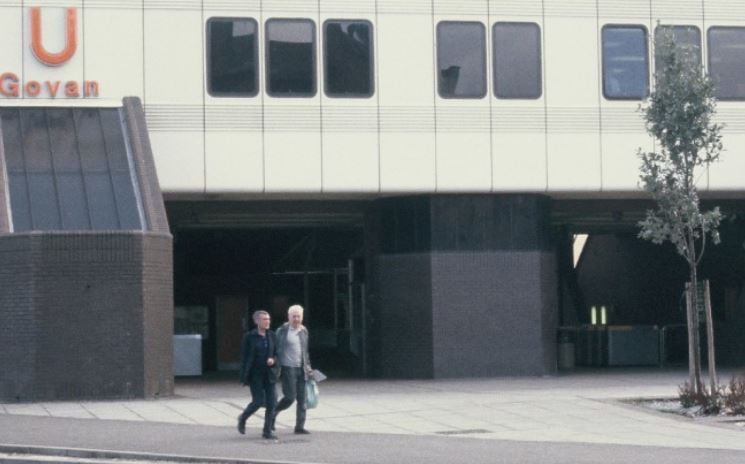
11. Govan Subway
An early image of Govan Subway station taken in the 70s/80s. | SPT Subway
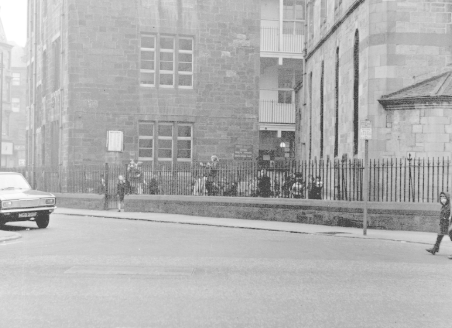
12. Harmony Row (1964)
St Anthony's Primary School pictured on Harmony Row in 1964. | Glasgow City Archives