
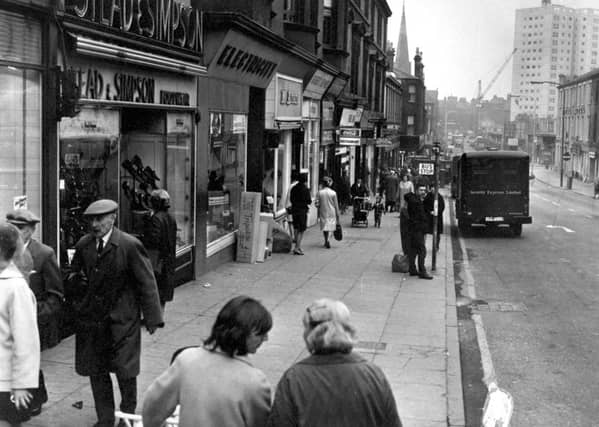


Motherwell, located in North Lanarkshire, began as a small rural settlement clustered around a ford on the River Clyde. Its name is often linked to a medieval religious well dedicated to the Virgin Mary, suggesting the area’s significance long before industrial expansion.
Until the 18th century, Motherwell remained largely agricultural, marked by scattered farms and small hamlets.
The town’s transformation accelerated during the Industrial Revolution. The arrival of the railway in the 1840s and the growth of coal mining helped Motherwell develop into a major industrial hub. Most notably, the establishment of the Colville steelworks in the late 19th century made Motherwell one of Scotland’s centres of heavy industry. For much of the 20th century, the city’s identity was shaped by the massive Ravenscraig steel plant, which became a symbol of Scottish steel production.
Following the decline of heavy industry in the late 20th century and the closure of Ravenscraig in 1992, Motherwell underwent significant economic and social change. The town shifted toward service industries, education, and commerce, with efforts to regenerate areas once dominated by industry.
Here are 27 nostalgic photographs that capture the changing face of Motherwell and everyday life in the town throughout the years.
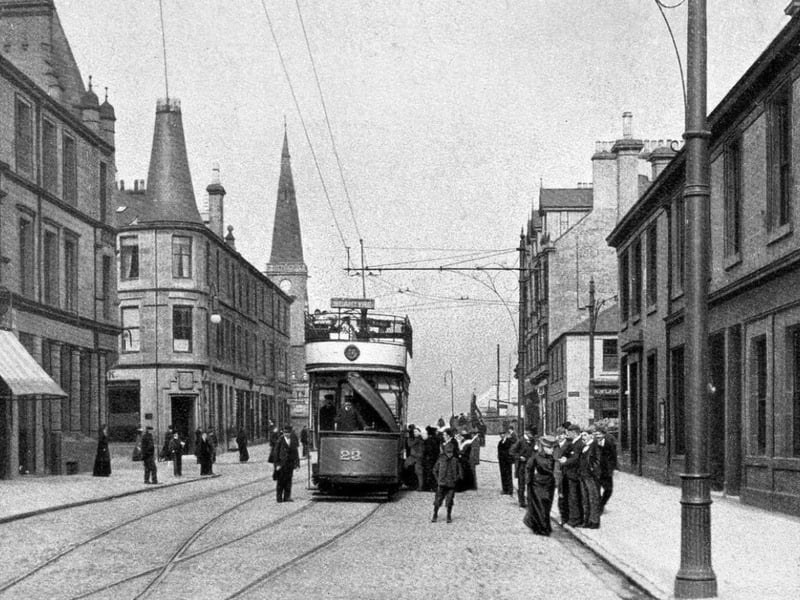
9. Motherwell Tram
A depiction of the tram in service in Motherwell prior to their removal. | Contributed
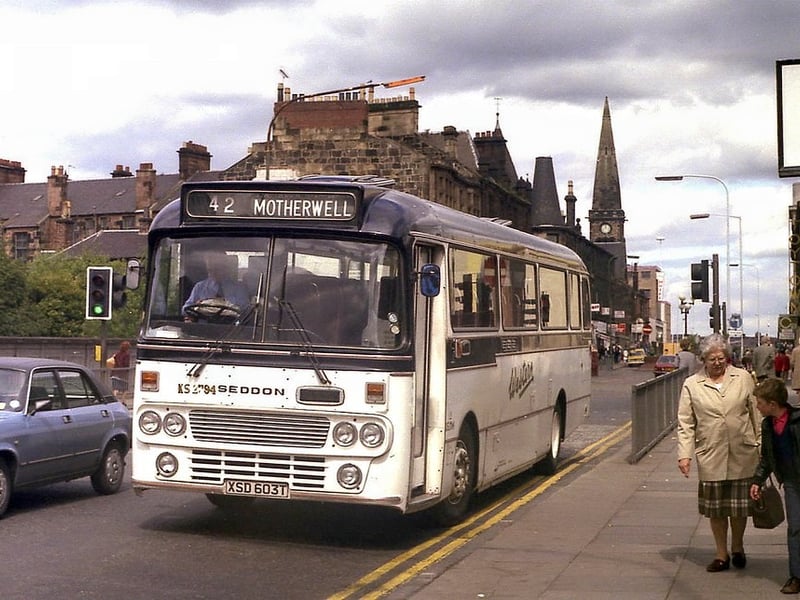
10. Hamilton Road
The old 42 bus driving down Hamilton Road in 1980 - on the right you can see the sign for Tony’s chippie, interestingly enough there’s still a chippie in that exact same spot, although it’s called Marcantonio’s nowadays. | Martyn Hearson
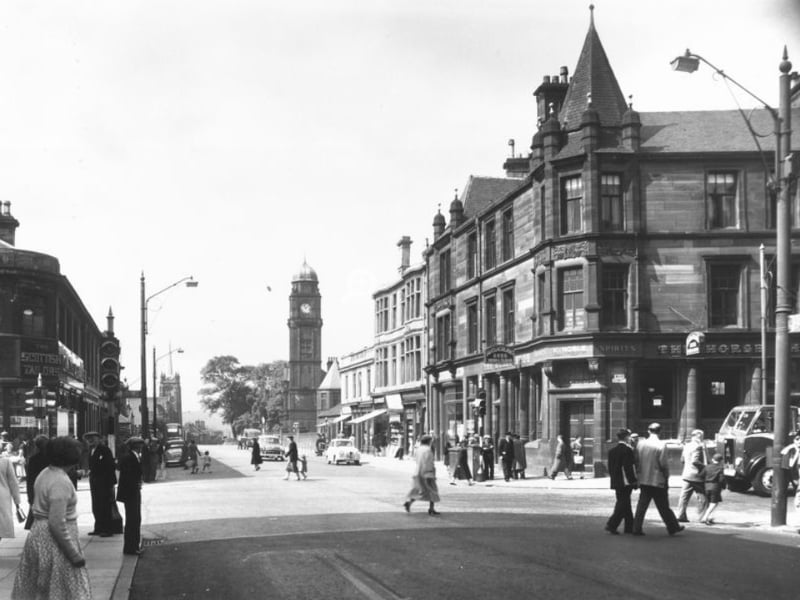
11. Motherwell Cross
Motherwell Cross looking down onto Hamilton Road - the left street would soon be pedestrianised into Brandon Parade. Notice The Horseshoe Bar on the right corner? It’s still standing under the same name today! | University of St Andrews Library
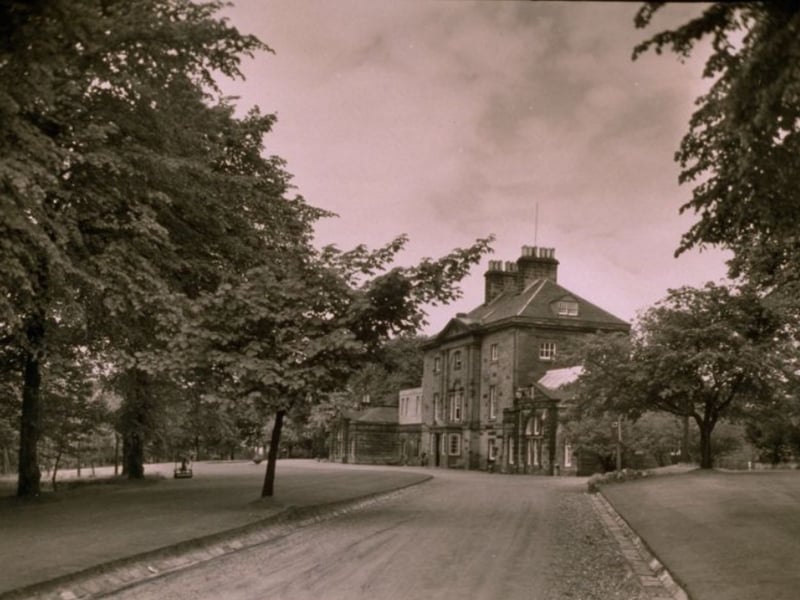
12. Jerviston House (circa.1960~)
It was ancient even by the standards back then - and the old lairds house still stands proud today | University of St Andrews Library