

The River Clyde is one of Scotland’s most historically significant waterways, running from the Southern Uplands through Glasgow to the Firth of Clyde. Its story is closely tied to Scotland’s industrial rise and transformation.
In early history, the Clyde was a relatively shallow river, but it still served as an important route for trade and settlement. During the medieval period, Glasgow grew as a religious and commercial centre, with the river supporting fishing, small-scale shipping, and local trade.
The Clyde’s true transformation began in the 18th century. Extensive engineering projects deepened and widened the river, allowing large going ships to reach Glasgow. This turned the city into a major port within the British Empire, handling goods such as tobacco, sugar, and cotton from the Americas.
By the 19th century, the Clyde had become synonymous with shipbuilding. The phrase “Clydebuilt” came to represent quality and innovation, as shipyards along the river produced some of the world’s most famous vessels. Companies like John Brown & Company constructed ships including the RMS Queen Mary and RMS Queen Elizabeth. At its peak, the Clyde was one of the greatest shipbuilding centres in the world.
Today, the River Clyde remains a central feature of Glasgow’s identity—linking its past as an industrial powerhouse with its modern role as a vibrant city.
Here are 32 brilliant nostalgic pictures of the River Clyde
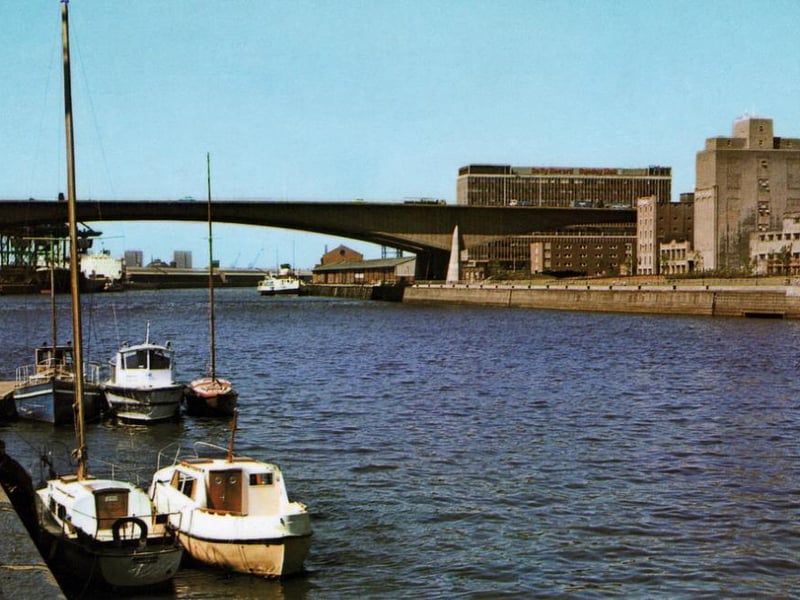
1. River Clyde 1972
A snapshot of the River Clyde in the early 1970s looking towards the Kingston Bridge. | Robert Poole Photo: Robert Poole
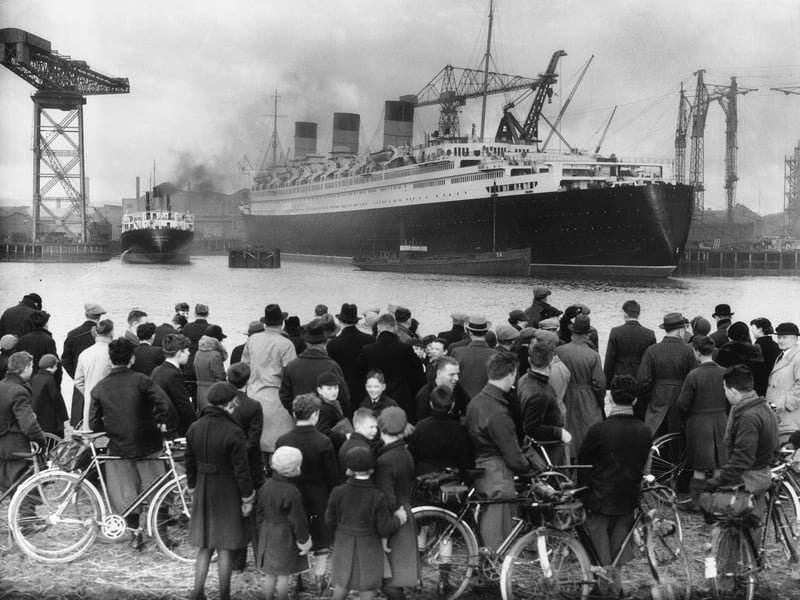
2. The Queen Mary
A crowd admires the nearly completed Cunard White Star liner Queen Mary at Clydebank. (Photo by Hudson/Getty Images) | Getty Images
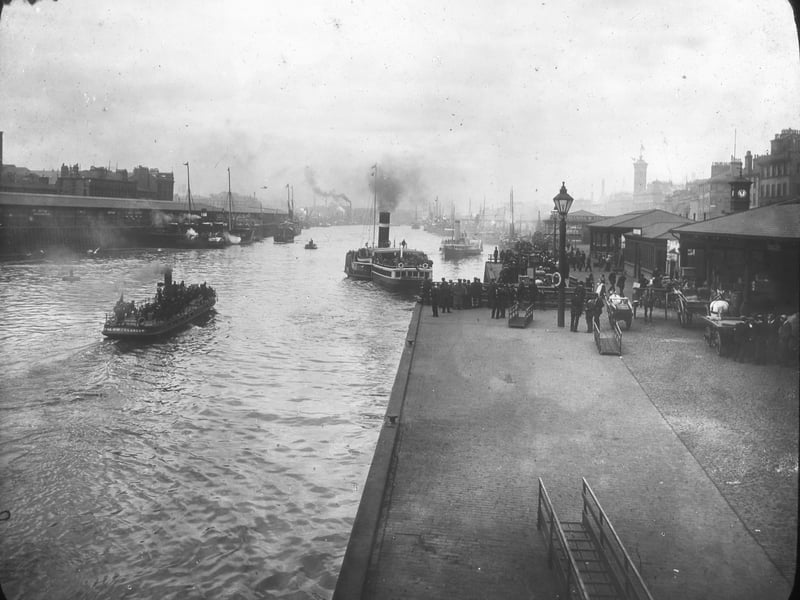
3. Quayside at the River Clyde
Passengers line up for the Clutha Passenger Ferry on the banks of the River Clyde | Contributed
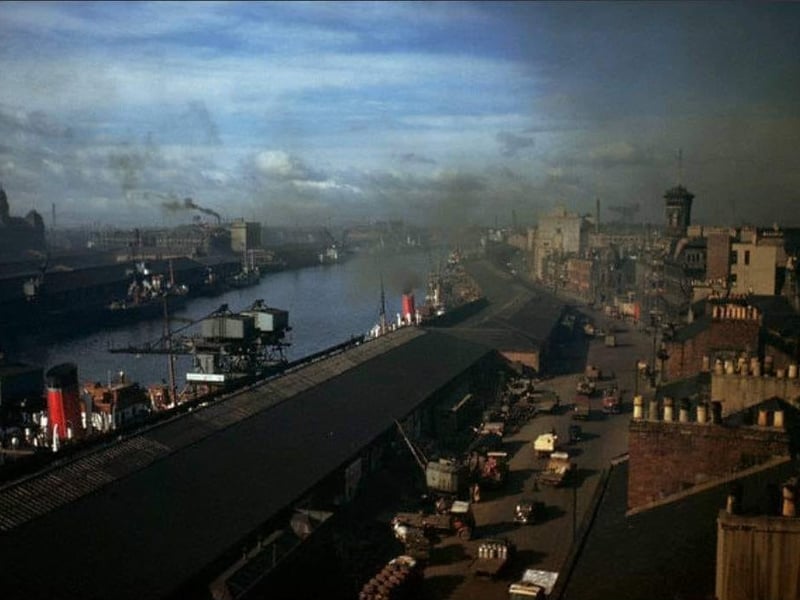
4. Broomielaw (1946)
An American serviceman's photo of the Broomielaw in 1946. | Kevin Robertson