
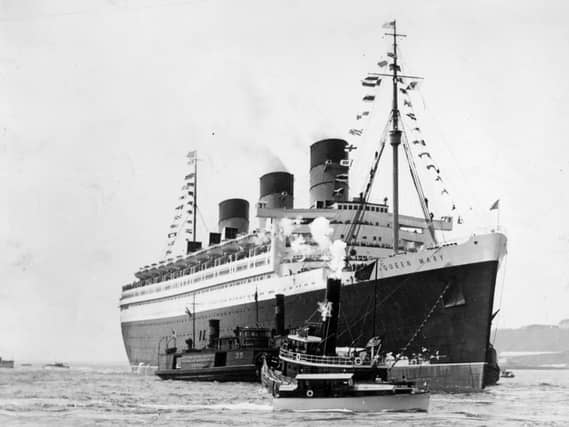


Launching from Glasgow and Clydebank, some of the most famous vessels of the 20th century were brought to life, helping define an era when the Clyde was at the heart of global naval engineering.
Among the most celebrated are the great ocean liners that captured public imagination and reshaped transatlantic travel. The ill-fated yet legendary RMS Lusitania, the elegant and record-breaking RMS Queen Mary, and the long-serving Queen Elizabeth 2 all emerged from this remarkable industrial corridor.
Together, they reflect not only advances in naval architecture and engineering, but also the ambition of an age when ocean liners were symbols of national pride, technological progress, and luxury travel.
Take a look at the story behind six of the most famous vessels to be built on the Clyde.
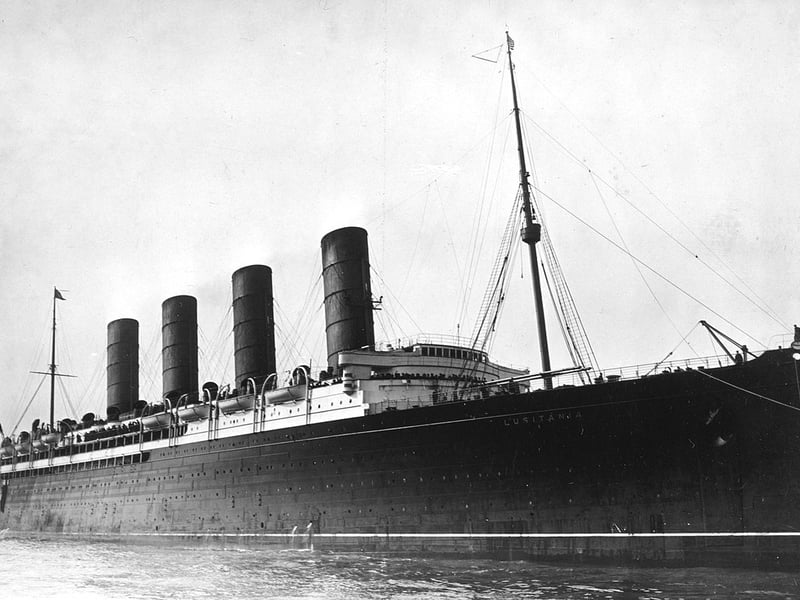
5. Lusitania
The Lusitania may be the most influential ship built on the River Clyde in terms of the impact it had on world history. Launched in 1906 as an 'ocean greyhound', the Lusitania was the worlds largest passenger ship when it was first constructed. It was sank in 1915 during World War 1, 11 miles South of Ireland, killing 1,197 passengers, crew and stowaways. Hundreds of the civilian passengers were American, turning the tide of public opinion against the Germans in the US leading to their eventual involvement in the war in 1917. | Wikipedia
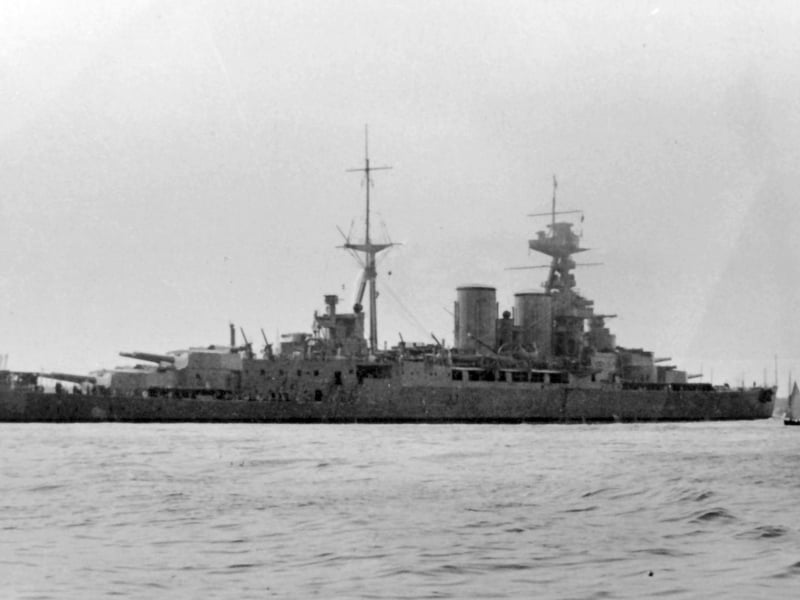
6. HMS Hood
Built at John Brown’s yard in Clydebank and launched in 1918, HMS Hood was the pride of the Royal Navy and the most famous battleship in Britain upon the outbreak of war in 1939. Known as ‘The Mighty Hood’, the battlecruiser was employed to protect convoys in the North Sea and as a general deterrent against invasion. In 1941 the Hood was ordered to intercept the Bismarck - the largest battleship ever built by the German navy - and prevent her reaching the Atlantic where she would pose a threat to Allied shipping. On May 24 the Hood and HMS Prince of Wales spotted the Bismarck and opened fire. Less than 10 minutes later, a German shell struck the Hood and exploded her main ammunition magazine. The battleship sank within three minutes with the loss of all but three of her 1418 crew. It remains one of the blackest days in Royal Navy history and was a huge blow to British morale. The Bismarck was sunk two weeks later after being tracked by HMS Ark Royal. The wreck of the Hood was finally located in 2001 and one of her two ship’s bells was retrieved in 2015. It is planned to display the bell at a permanent memorial to the Hood and her crew. Photo: The News archive