

Glasgow is constantly evolving, and many of its buildings no longer serve the purposes they were originally built for.
Across the city, sites and spaces have undergone dramatic transformations. What was once the world’s largest cinema rose on the former site of the Apollo, the home of “Tobacco Lord” William Cunninghame became the Gallery of Modern Art, and part of Templeton’s Carpet Factory has been repurposed as a brewery.
Here are eight grand Glasgow buildings that used to be banks and what became of them.
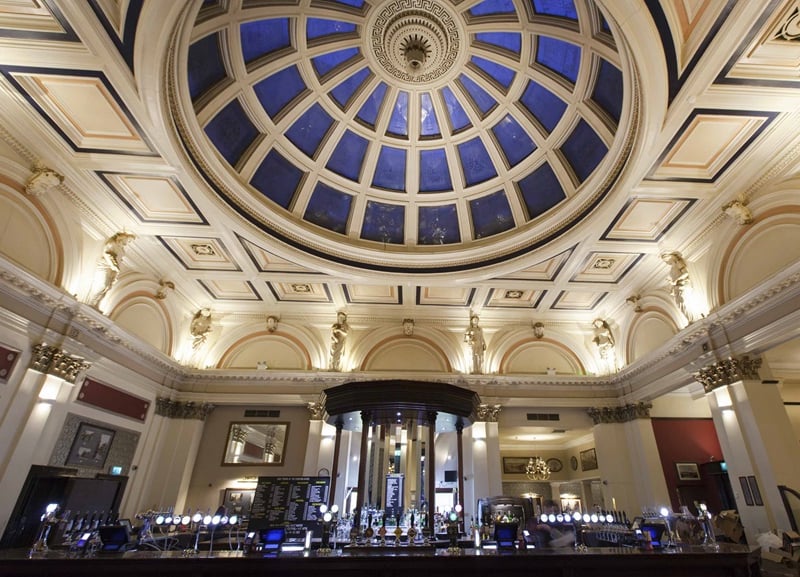
1. 2 St Vincent Place
The premises were previously owned by the Bank of Scotland. The building was designed for the bank by J T Ruchead, during 1867–1870. His design, in the Italian Renaissance style, set the tone for the west end of George Square. It is now home to Wetherspoons The Counting House. | Wetherspoons
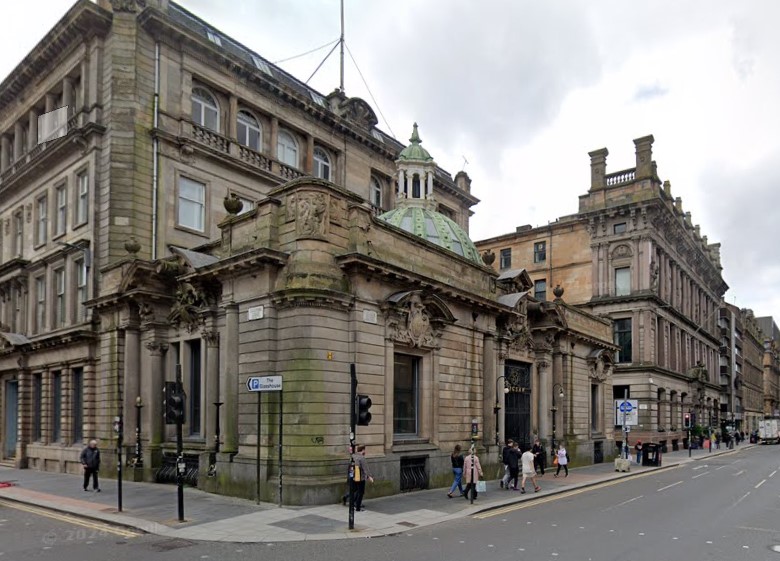
2. 177 Ingram Street
The former Savings Bank headquarters as we know it now was built thanks to plans from architect JJ Burnet, which included additions to the original building. It has a baroque design and is home to a statue of St Mungo and sculptures by George Frampton. The Glasgow Savings Bank eventually became TSB Bank Scotland plc in 1989 and merged with Lloyds Bank in 1995. The building ceased being used as a bank in 1999 and has been an Emporio Armani shop and a Jigsaw clothing, which opened in 2003. | Google Maps
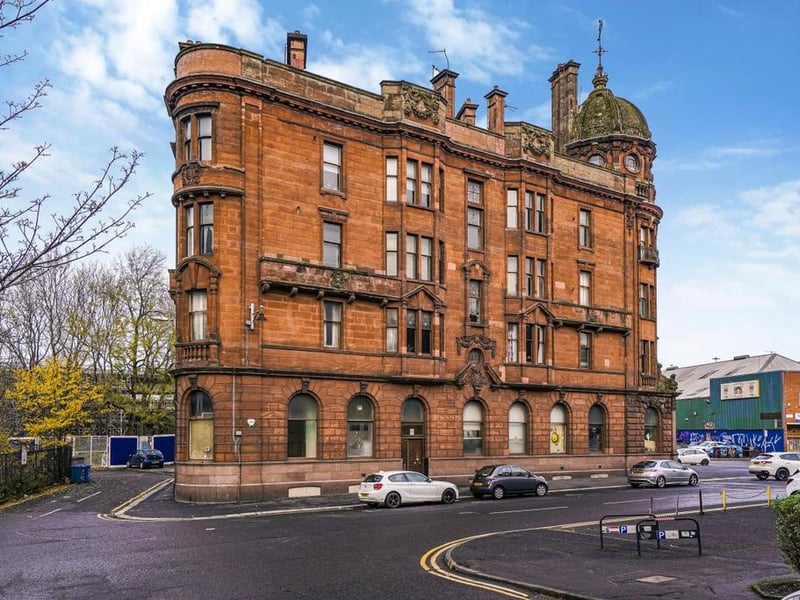
3. 101 New City Road
The building on New City Road near Cowcaddens was once home to the Glasgow Savings Bank. The building was built in 1909 and is one of only a few older buildings to survive the post-war redevelopment of this part of Glasgow. | OnTheMarket
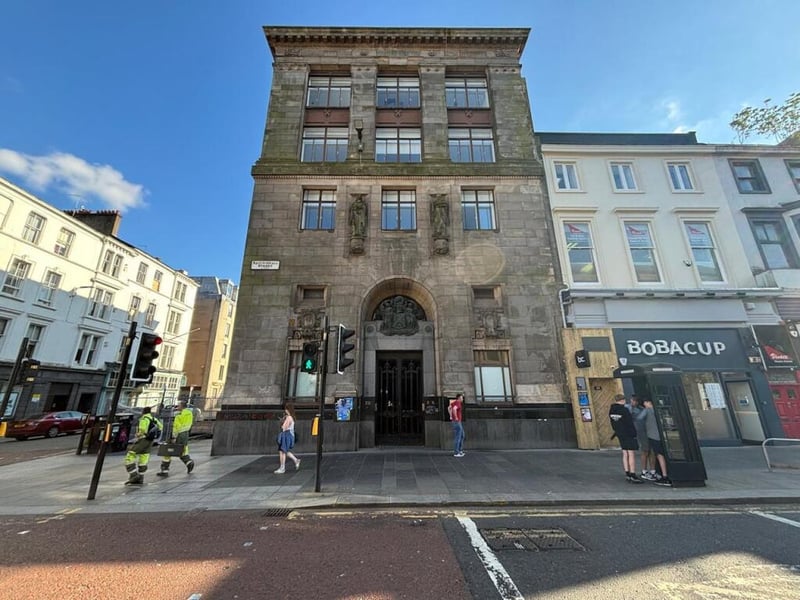
4. 235 Sauchiehall Street
Located within heart of Glasgow City Centre, the building commands a highly prominent corner position on the south side of Sauchiehall Street at its junction with Blythswood Street. 235 Sauchiehall Street marks the point where the thoroughfare transfers from shopping and hospitality into the nigh time economy - surrounded by late night pubs and clubs. The 4 storey bank was designed by John Keppie and A Graham Henderson and finished construction in 1931. It features a double height banking hall on the first floor. | Rightmove