
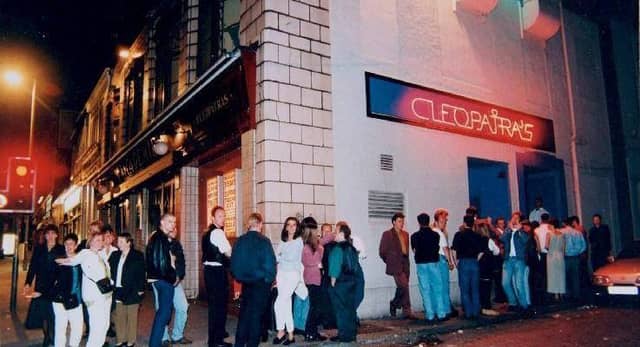


To understand Glasgow in the 1980s is to encounter a city suspended between the gravity of its industrial past and the necessity of reinvention.
It was a decade of sharp contrasts: severe economic hardship alongside a growing cultural self-belief, crumbling urban landscapes set against ambitious new visions, and a population negotiating daily struggle with an unshakeable pride in place. For those who lived through it, Glasgow was never just a setting — it was a presence: hard-edged, energetic, and alive.
The collapse of heavy industry struck Glasgow with particular force. Shipyards that had once embodied world-leading engineering fell quiet, steelworks shut their doors, and unemployment rose dramatically. Entire communities bore the weight of this upheaval, with social tension woven into everyday life. Yet even in uncertainty, Glaswegians held on to the humour, solidarity, and resilience that outsiders often fail to fully grasp. Neighbours leaned on one another, and wit became a form of shared defence.
At the same time, the 1980s marked the early stages of Glasgow’s contemporary transformation. Regeneration efforts — imperfect and often contentious — began to reshape the city’s physical and cultural landscape. Art, music, and design gained fresh momentum, nurturing creative movements that would leave a lasting imprint. The foundations were being laid for milestones such as the Glasgow Garden Festival and the city’s later recognition as European City of Culture, even if the future remained unclear to those living it.
Here are 80 nostalgic pictures offering a fascinating glimpse of Glasgow in the 1980s.
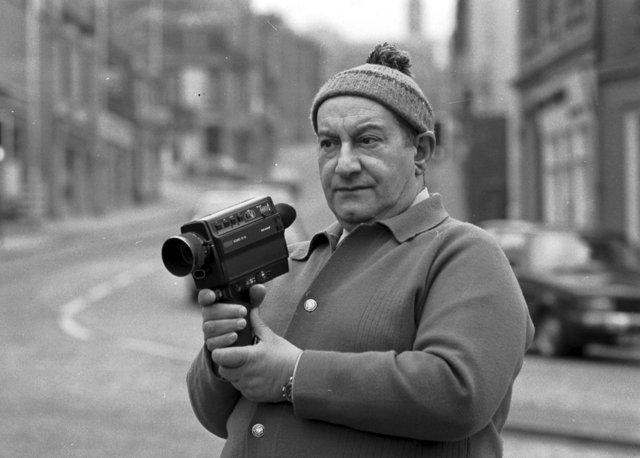
9. Enrico Cocozza in Glasgow
Scottish documentary film-maker Enrico Cocozza in Glasgow, March 1980. Photo: tspl
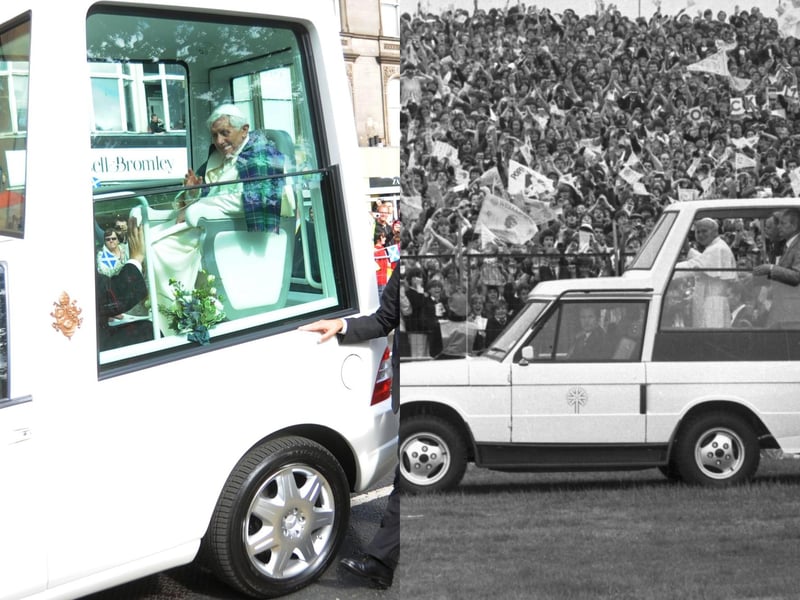
10. Papal visits
Pope John Paul II visits Glasgow to celebrate Mass with a huge crowd of around 300,000 people at Glasgow’s Bellahouston Park. In September 2010 Pope Benedict XVI visited the city, where he led a huge outdoor mass in Glasgow’s Bellahouston Park attended by around 65,000 people before flying to London that evening. Photo: National World
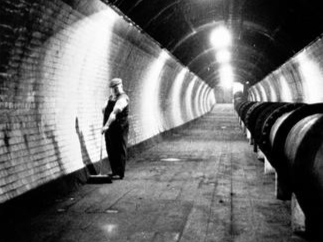
11. The closure of the Harbour Tunnel Rotundas
Now home to the Cranside Kitchen, one of the city’s most trendy dining and drinking venues, Glasgow’s distinctive north harbour tunnel rotunda once served a rather different purpose. One of two access points to a tunnel system which allowed pedestrians, horsedrawn waggons and small vehicles to cross the water when this end of the city was filled with warehouses and dock workers. Closed in 1980, it was left empty for more than three decades. You can see the linking south rotunda on the opposite side of the Clyde which has now been converted into an office space. | Partick Camera Club
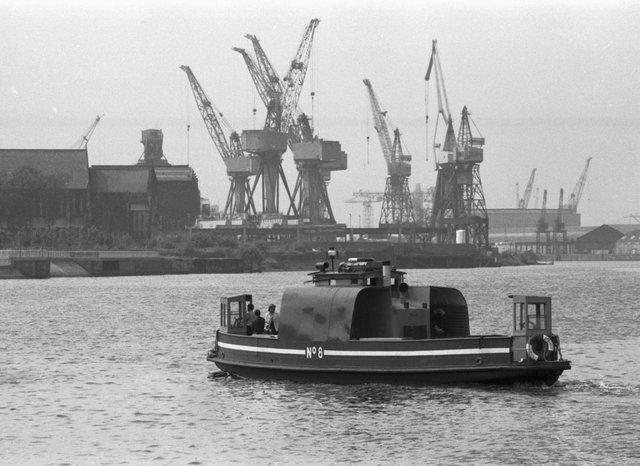
12. The Kelvinhaugh ferry crossing the Clyde
The Kelvinhaugh ferry crosses the River Clyde in Glasgow, June 1980 - it would cease providing the service in the same year after over a hundred years of carrying passengers across the Clyde. Photo: tspl