

Shawlands is a district in the Southside of Glasgow, developed from rural farmland into a suburban neighbourhood during the 19th century.
The area was originally part of the lands of Pollok and Cathcart, with small farms and country estates dominating the landscape. Its transformation began in earnest with the expansion of Glasgow during the Industrial Revolution, when overcrowding in the city centre pushed development outward.
A major turning point came with the arrival of the railways in the mid-1800s. Shawlands railway station opened in 1866, making the area attractive to skilled workers and middle-class families who wanted cleaner air and more spacious housing while remaining connected to the city.
Rows of Victorian and Edwardian tenements were built rapidly, many of which still define the area’s architectural character today. Shawlands Cross emerged as a local commercial hub, lined with shops, cafés, and public houses.
In the 20th century, Shawlands experienced periods of decline and renewal, reflecting wider changes across Glasgow. Post-war challenges such as housing deterioration and economic shifts were followed by regeneration efforts from the late 20th century onwards.
Shawlands in recent times has been named as one of the coolest neighbourhoods in the world by international travel published Time Out.
Here are nine nostalgic pictures that perfectly capture the spirit of Shawlands in Glasgow’s Southside.
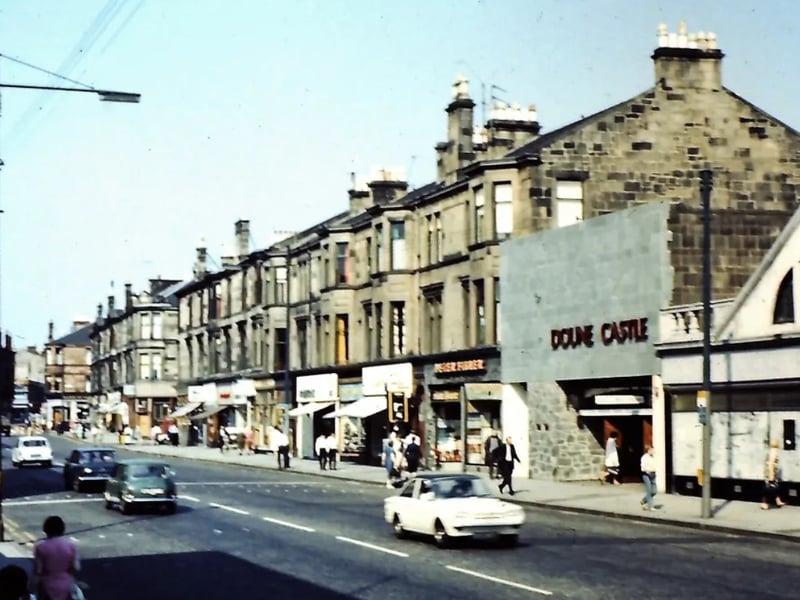
1. Doune Castle
A snapshot of Kilmarnock Road around 1969/70. | Colin Duncan
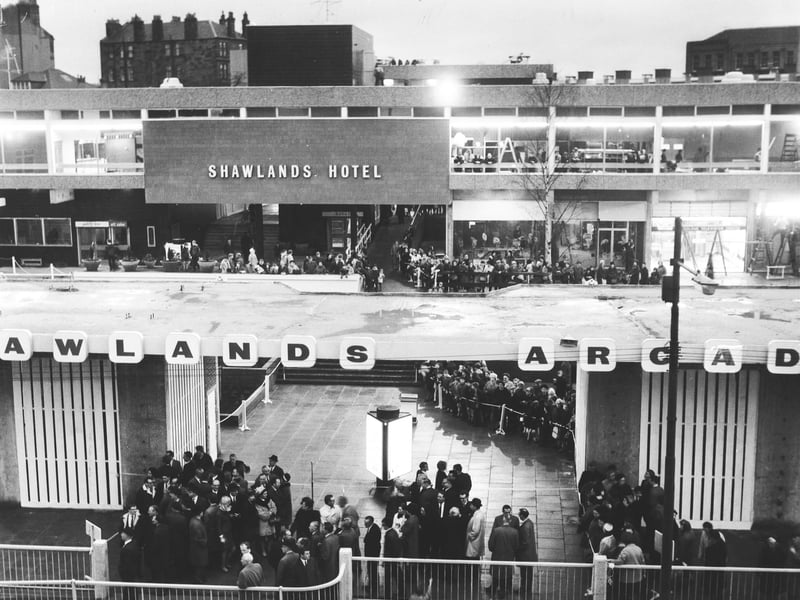
2. Shawlands Arcade (1967)
The opening of Shawlands Arcade in November 1967. | Glasgow City Archives
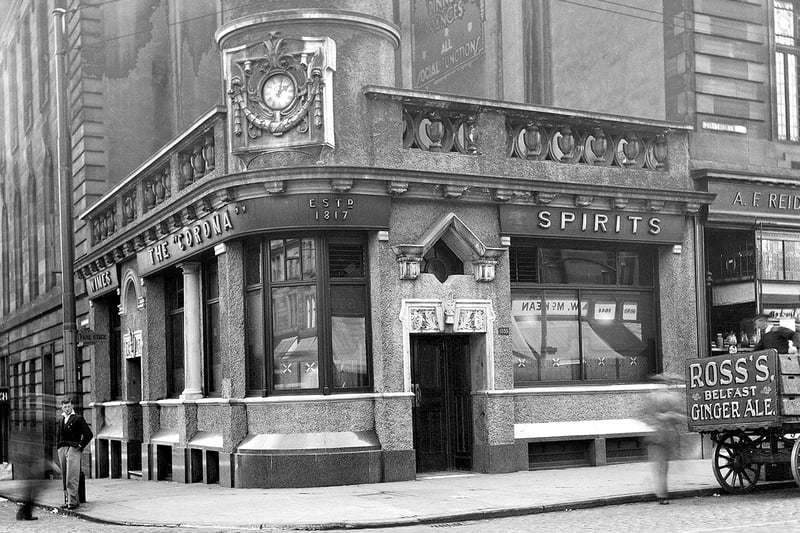
3. The Corona
The Corona pub on Pollokshaws Road pictured in 1933 which still remains popular with Southside residents till this day. | Glasgow City Archives
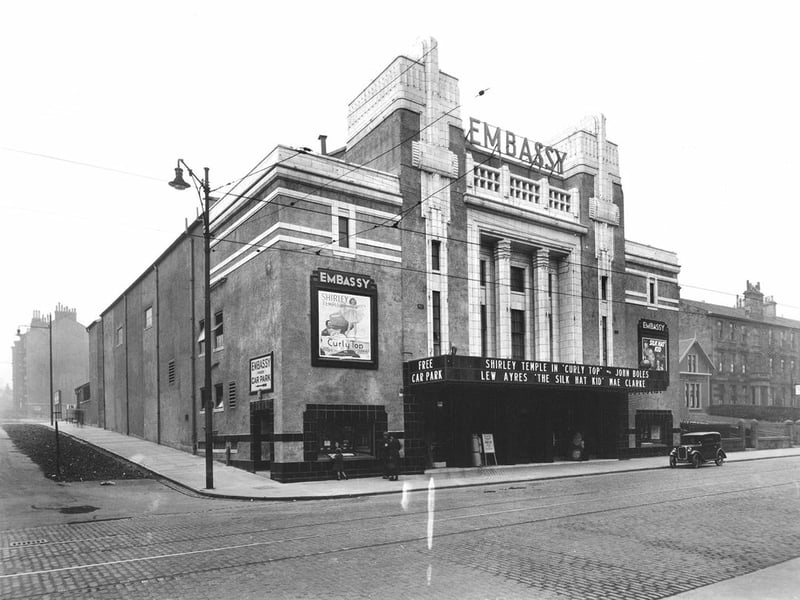
4. Embassy Cinema
The Embassy Cinema was built by Harry Winocour and designed by James McKissack. The building lies next to Darnley Terrace and is the current site of the Shawlands Arcade. | Glasgow City Archives