
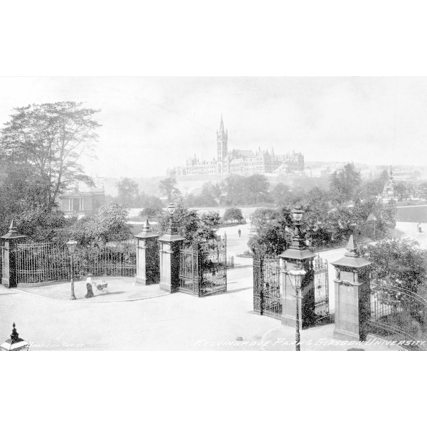


Kelvingrove Bandstand is a historic outdoor performance venue in Kelvingrove Park. It was opened in 1924 as part of the city’s commitment to public culture and recreation, providing a space where people could enjoy free or affordable music in the open air.
Designed in a classical style with a sweeping amphitheatre, it quickly became a popular setting for brass bands, orchestras and community events, reflecting the strong tradition of public music-making in early twentieth century Glasgow.
After decades of use, the bandstand fell into decline in the late twentieth century and was eventually closed. Following a major restoration project led by Glasgow City Council and heritage partners, it reopened in 2014.
Today, Kelvingrove Bandstand is once again a cultural landmark, hosting concerts, festivals and performances while preserving an important piece of the city’s social and architectural history.
Here are 11 nostalgic photographs showing the history of Kelvingrove Bandstand.
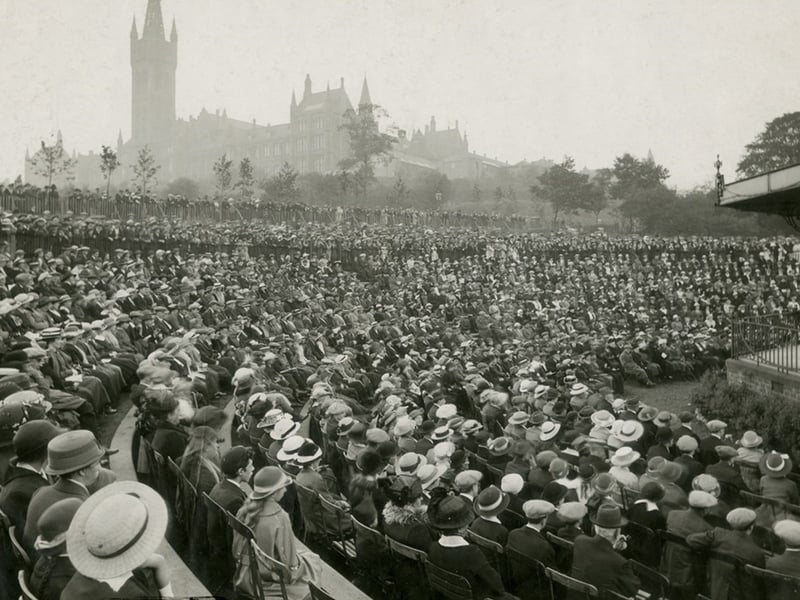
5. Kelvingrove Bandstand
It was decided that the old Victorian style of bandstand in the park was too small and no longer suited to the more theatrical performances which were being staged there. In August 1923 a proposal was put to the Council to build a new ‘super bandstand’ with seating for 4,500 and standing room for another 15,000. Although this was rejected, a scheme to build what was to become the bandstand that we have today was approved. Construction of the bandstand began in 1924 and it was officially opened in May 1925. The first concert appears to have been Clydebank Burgh Brass Band on Sunday 17 May. | Glasgow Libraries
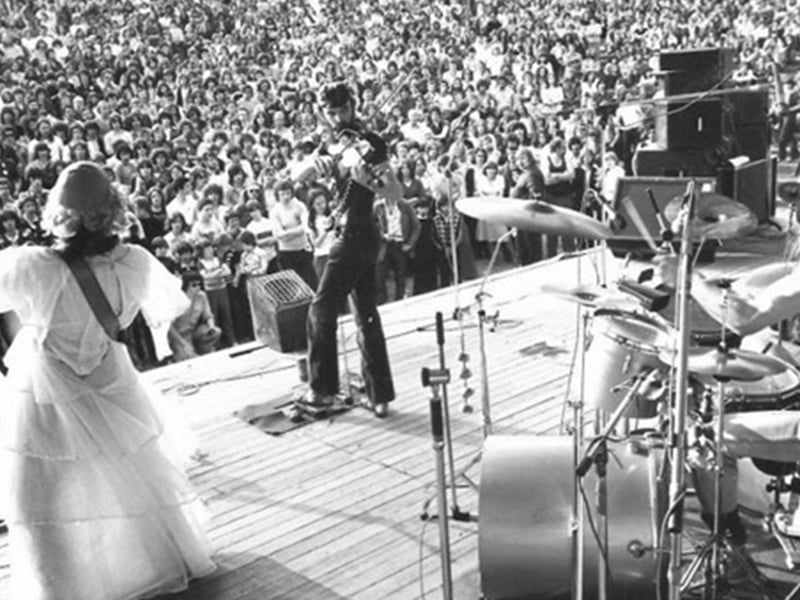
6. Kelvingrove Bandstand
As old musical traditions began to change, concerts at the bandstand during the 1960s and 1970s became very differently. Rock and pop music arrived in 1965 when one of Glasgow’s top beat groups, the Jaygars, played the bandstand. It was pop music festivals that the Kelvingrove bandstand became famous for. The first of these was held in 1973 but the big moment came in May 1978 when Radio Clyde staged their first Kelvingrove Free Music Festival for local bands and musicians. It was a huge success attracting thousands of rock fans every year until the last was held in 1988. Other music festivals included a Rock Against Racism gig in 1986 that was headlined by Tom Robinson, supported by local acts such as Hue and Cry and The Bluebells. | Glasgow Life
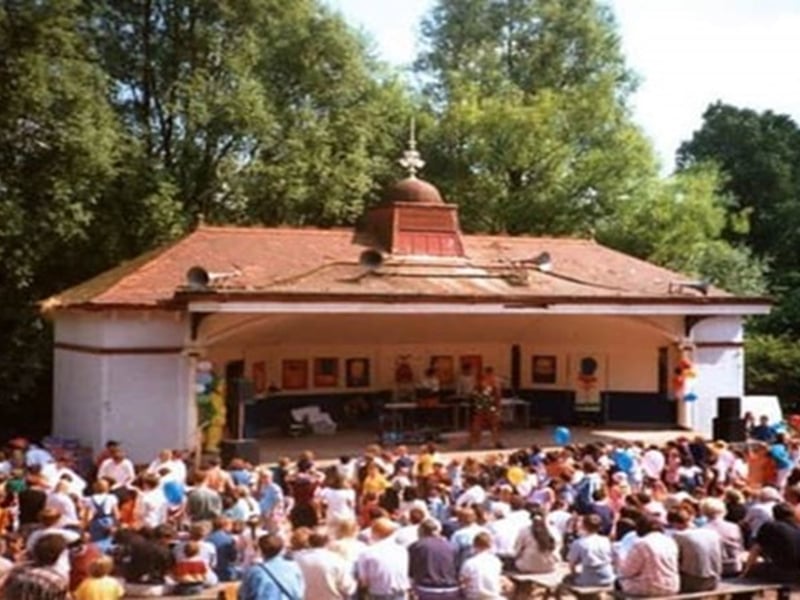
7. Kelvingrove Bandstand
The bandstand began to show its age in the nineties and as early as 1992 it was threatened with closure and demolition but it was at that time that the local community stepped in and started their campaign to save it. The Friends of Kelvingrove Park was formed and began hosting events to raise funds and awareness. The movement grew in scale and ambition even as vandalism and neglect caused the bandstand to deteriorate rapidly, being finally closed off to the public in 1999. | Friends of Kelvingrove Park
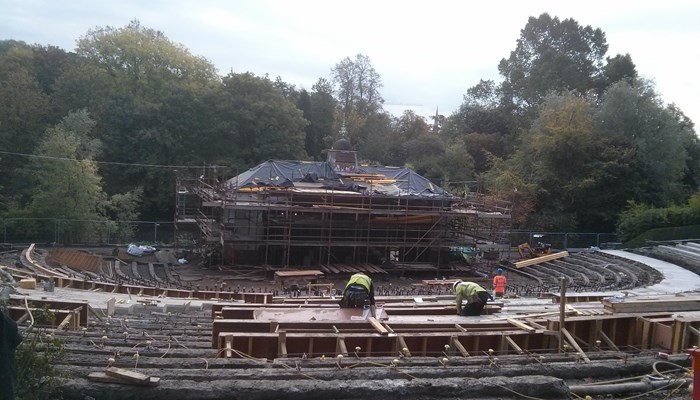
8. Kelvingrove Bandstand
The campaign reached a significant milestone in 2001 when Historic Scotland awarded it a Category B listing. Glasgow Life and the local community, came together and developed a conservation and business plan which resulted in the necessary funds being raised to restore and modernise the bandstand. | Glasgow Life