

Glasgow Cathedral is the oldest building in the city and has been an important part of not just religious, but also civic life in Glasgow for more nearly 1500 years.
It has undergone massive changes in that time, with some designed to bring it into the modern world - while other changes have meant that aspects of Glasgow’s history have been lost to time.
Take a look at our quick history of Glasgow Cathedral and let us know what your memories of the building are.
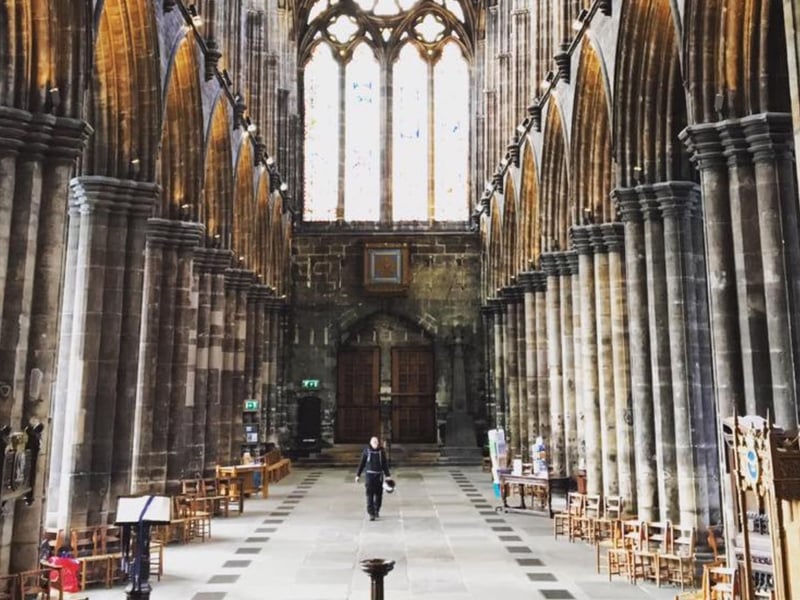
1. Glasgow Cathedral's beginnings
Glasgow Cathedral is the oldest building in the city and marks the site where St Mungo is thought to have been buried in 612 AD. The original cathedral was concecrated in 1136, however it was destroyed by fire. | Glasgowist
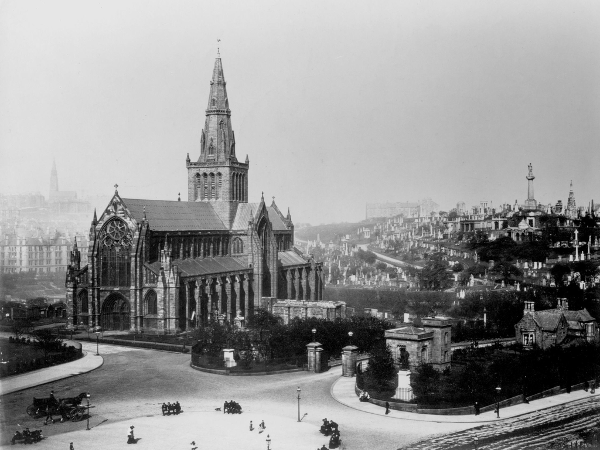
2. The Reformation
The damaged cathedral was rebuilt and reconsecrated in 1197. In the following centuries it steadily ascended, growing into a grand cathedral. However, during the Protestant Reformation, it was stripped of all its Catholic symobology - with the cathedral converting to serving the Protestant faith. | Glasgow City Archives
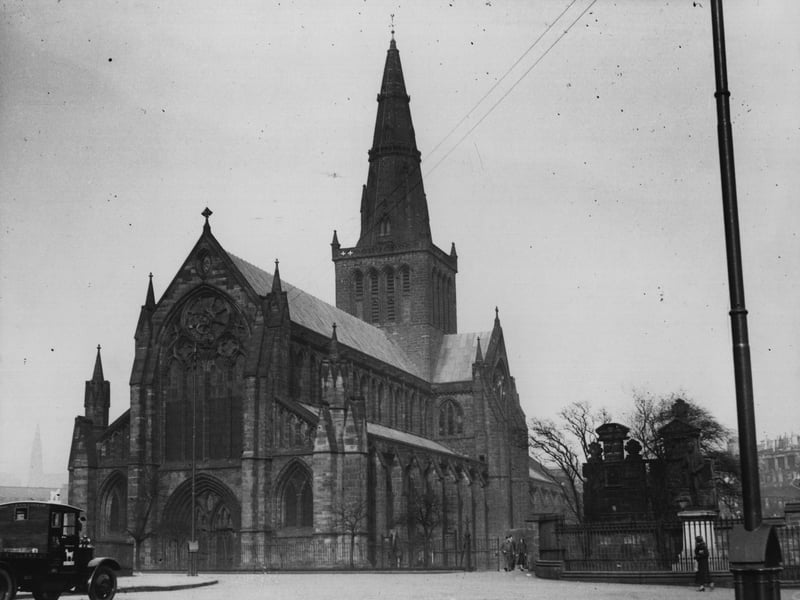
3. Vandalism and decay
Whilst the Cathedral is the most complete medieval church on the Scottish mainland, it did undergo vandalism and plunder during this time. In 1574, Glasgow town council said: "the greit dekaye and ruyne that the hie kirk of Glasgow is cum to, throuch taking awaye of the leid, sciait and wther grayth thairof in this trublus tyme bygane sua that sick arte greit monument will alluterlie fall doun and dekey without it be remidit" The town council raised £200 to fund repairs. | Getty Images
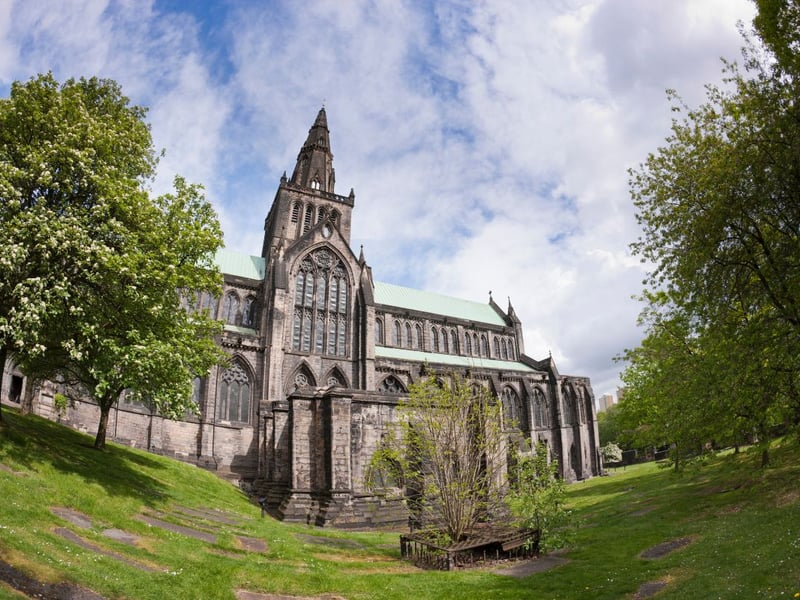
4. Glasgow Tobacco Lords
The 18th and 19th century saw great memorials to the Glasgow Tabacco Lords. Some of these memorials - including that to Cecilia Douglas, who owned slaves in the West Indies, have since been removed. | Canva/Getty Images