

From Fairfield in Govan to John Brown’s in Clydebank some of the most famous ships in the world were Clydebuilt. For more than a century, the River Clyde was synonymous with shipbuilding. From the mid-19th to the late 20th century, the banks of the Clyde roared with the sound of hammering rivets, the hiss of steam, and the clang of steel plates being forged into some of the world’s most famous vessels.
At its height, the Clyde was not only the beating heart of Glasgow’s industrial power but also one of the most important shipbuilding centres in the world, producing everything from mighty naval warships to elegant passenger liners. Govan, Finnieston, Clydebank and other communities along the river became associated with ships that sailed across every ocean and carried the reputation of Scottish engineering to distant shores.
Generations of skilled workers—riveters, engineers, designers, and labourers—poured their expertise and pride into ships that stood as marvels of their time. These yards were places of innovation, where advances in design and technology set global standards and ensured that “Clydebuilt” was a mark of quality. Yet alongside the successes, there was also hard labour, exploitation of workers, industrial disputes, and later, the decline of a trade that had once defined Glasgow.
Today, while ship-building no longer dominates Glasgow’s economy, the legacy of the past is etched into the city’s identity. Museums, preserved ships, and the shape of the riverbanks continue to remind us of a bygone era.
Have a look through 25 pictures that tell part of the story of ship-building along the Clyde.
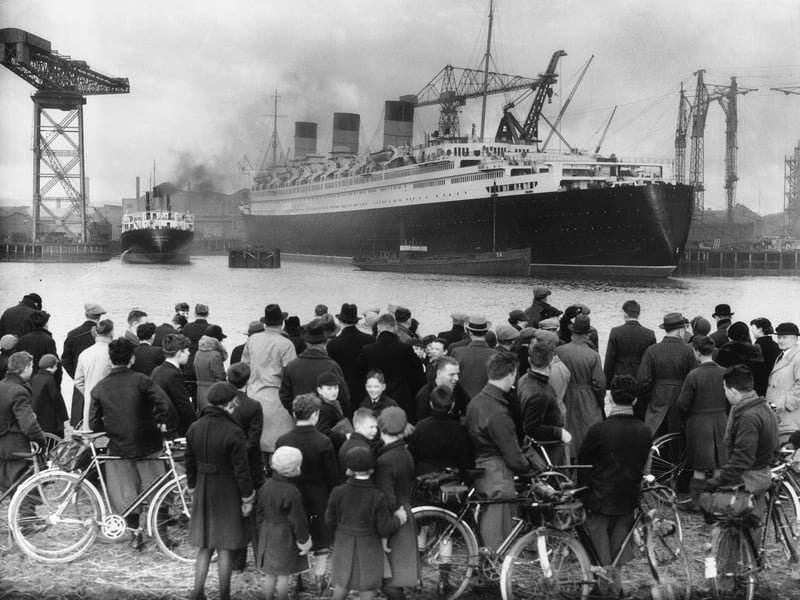
1. The Queen Mary
A crowd admires the nearly completed Cunard White Star liner Queen Mary at Clydebank. The launch of a ship would always draw in crowds of Glaswegians, keen to see their family and friends handiwork | Getty Images
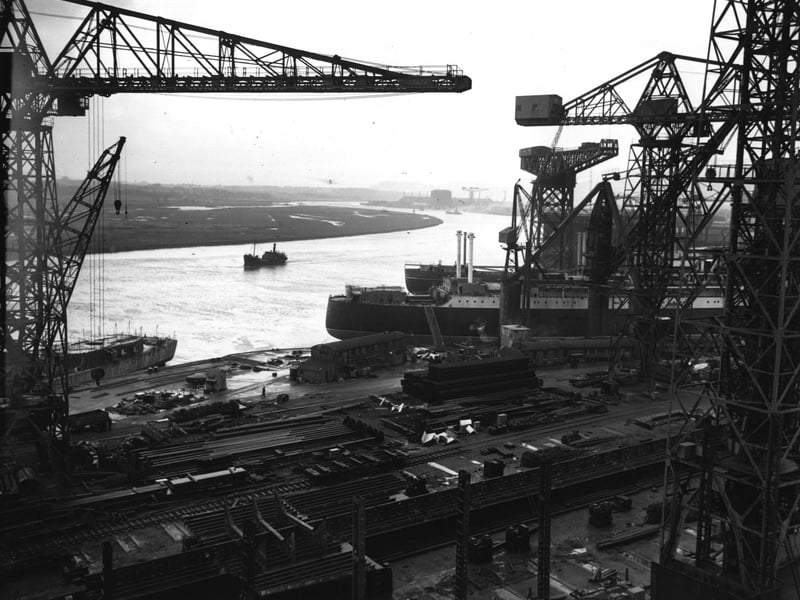
2. John Brown’s shipyards
A view of John Brown’s shipyards on the River Clyde, in Clydebank. Clydeside was responsible for 46% of Britain’s shipping output and produced more vessels than the whole of America. | Getty Images
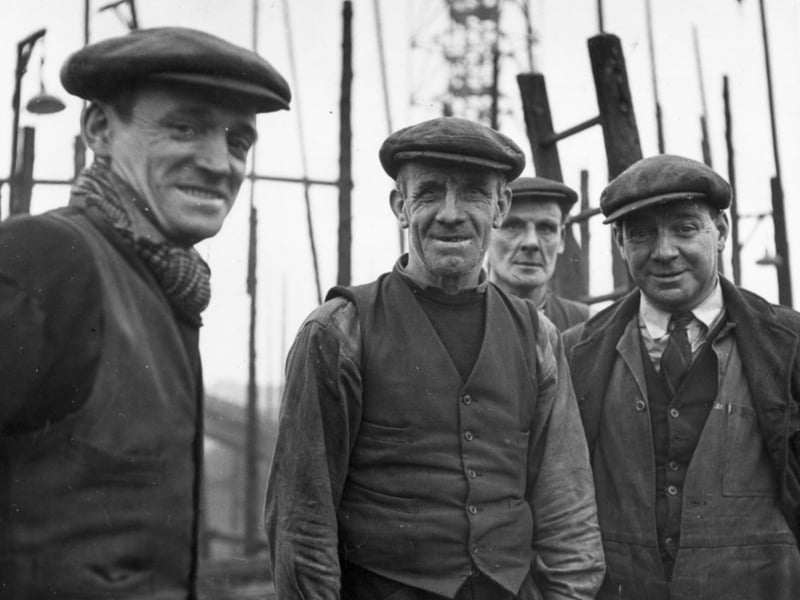
3. Working hard?
Four workers from the Harland & Wolff Shipyard flash a rare smile at the camera in 1955. The company acquired and amalgamated the London & Glasgow Engineering & Iron Shipbuilding Co.'s Middleton and Govan New Yards, along with Mackie & Thomson's Govan Old Yard, to create a large shipyard specialising in tankers and cargo ships. | Getty Images
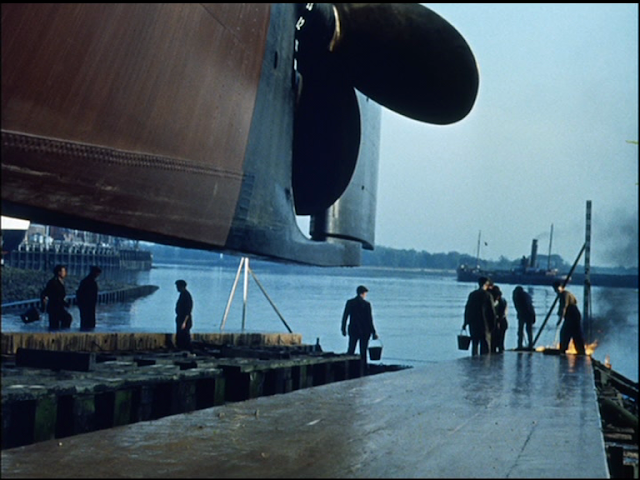
4. Seawards the Great Ships
Seawards the Great Ships is a 1961 film produced by John Grierson. It won an Oscar in 1962 for Best Short Live Action Subject, the first Scottish film to win an Academy Award. It chronicles the shipbuilding industry of the River Clyde during the early 1960s, featuring footage from the Fairfield and John Brown shipyards. It was produced by Glasgow-based Templar Films for the Clyde Shipbuilders’ Association. It includes dialogue between shipyard workers, but this is all scripted. They had hoped to use genuine dialogue between shipyard workers, but this included too many swearwords to be usable. | NLS