
During the 1950s, Glasgow remained one of Britain’s great industrial powerhouses. The shipyards along the River Clyde continued to build ocean liners, naval vessels, and merchant ships. Heavy engineering, locomotive works, steel production, and manufacturing provided employment for tens of thousands.
However, competition from overseas shipbuilders and changes in global trade began to erode the city’s industrial dominance. While work was still available in the early 1950s, warning signs were clear. Aging infrastructure, underinvestment, and shifting markets meant that by the 1960s, traditional industries were struggling.
Yet industry remained central to civic identity. Skilled labour, trade unionism, and collective solidarity were defining features of working-class life.
By the mid-20th century, much of the city centre and inner districts consisted of overcrowded 19th-century tenements, many lacking indoor plumbing or proper sanitation. In response, city planners embarked on one of the most ambitious redevelopment schemes in Europe. Beginning in the 1950s and accelerating into the 1960s, vast areas of old housing were demolished. Residents were relocated to new peripheral housing schemes such as Castlemilk, Drumchapel and Easterhouse.
At the same time, Glasgow embraced high-rise living. Tower blocks rose dramatically against the skyline, symbols of modern planning and optimism. Developments like the Red Road flats, once among Europe’s tallest residential buildings, promised a new way of living.
Yet the results were mixed. While many families gained modern amenities, the new estates often lacked adequate transport links, employment opportunities, and social infrastructure. Community networks that had thrived in old tenement neighbourhoods were disrupted, leading to social challenges that would become more visible in later decades.
The 1960s brought another transformative vision: the motorway. Glasgow became one of the first British cities to implement a comprehensive urban motorway system. The construction of the M8 motorway cut through the city, facilitating car travel and regional connections.
This infrastructure reflected post-war faith in modern planning and automobile mobility. However, it also physically divided communities and accelerated the decline of some central areas. Like the high-rises, the motorways embodied both progress and misplaced idealism.
Meanwhile, the arts scene gained momentum. Theatres, art schools, and music halls nurtured creative voices that would later contribute to Glasgow finding its voice.
Take a look back at scenes from Glasgow in the 1950s and 1960s.
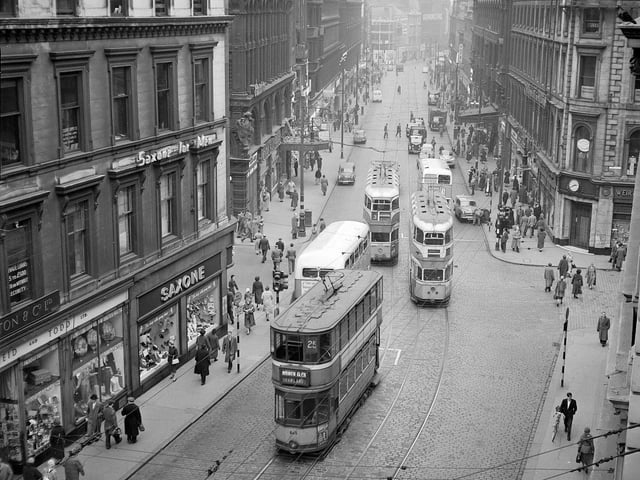
1. Tram stop
Trams in Union Street Glasgow at the junction of Renfield Street and Gordon Street in November 1959. | JPIMedia
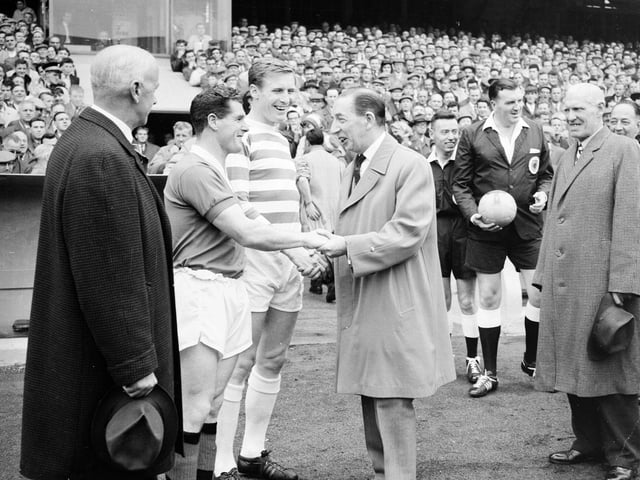
2. Meet and greet
Lord Provost Meldrum at Ibrox for the Rangers v Celtic Old Firm game in October 1963. | Iconic Media
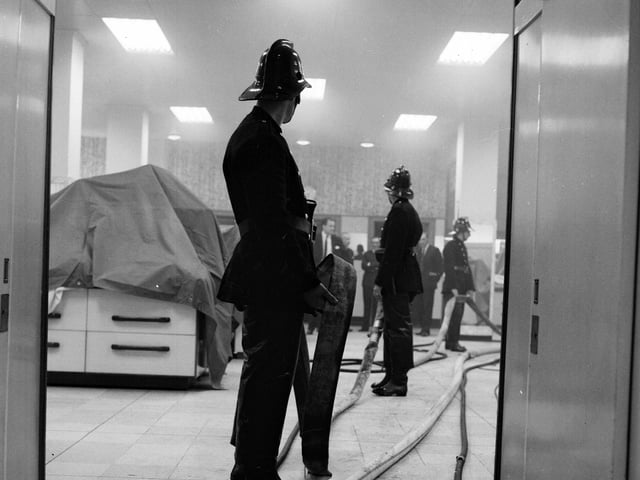
3. Emergency
Firemen tackling a fire at the C&A store in Sauchiehall Street in May 1963. | Iconic Media
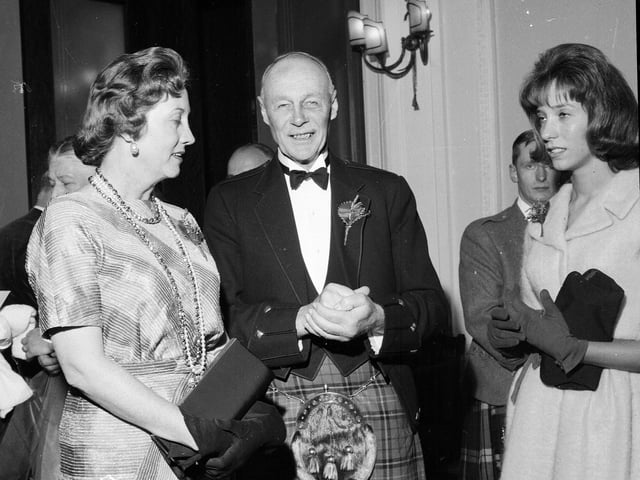
4. Clan gathering
Revellers at the Clan McMillan dinner in Glasgow in August 1963. | Iconic Media