
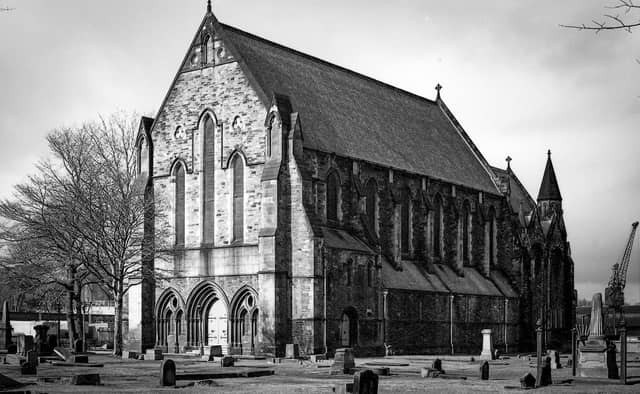


Glasgow’s place names are rooted in the Cumbric and Gaelic history of what would become the city. The names tell the story of what was happening in that particular place at the time it became established - for example, the story of how Polmadie got its name might surprise you.
These stories are interesting and insightful, with some important historical milestones playing a big role in them.
Read on for 8 Glasgow places and how they got their names.
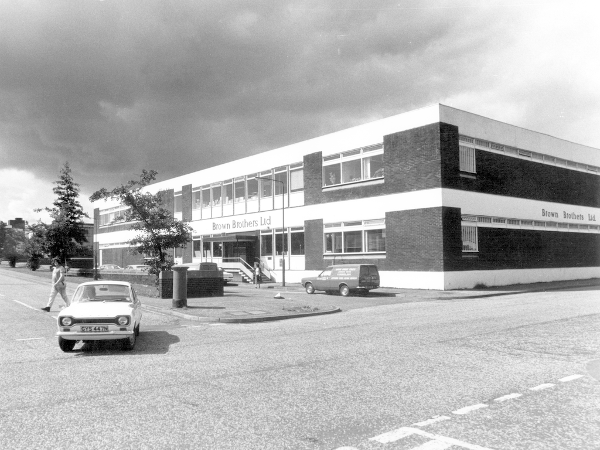
5. Polmadie
Polmadie potentially refers to a religious community that once existed near the burn, named “sons of God”. The name originated from the Gaelic “Poll Mac Dè," meaning "burn (stream) of the sons of God". The stream or burn is the one now known as Polmadie Burn, the Jenny Burn or Jenny’s Burn. There is a popular story that links the name to Mary Queen of Scots fleeing after the Battle of Langside. | Glasgow City Archives
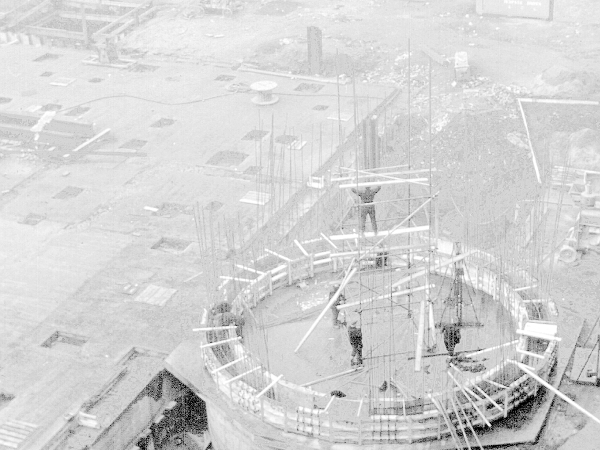
6. Dalmarnock Power Station
Dalmarnock’s name is derived from the Gaelic words "Dail" and "Meàrnaig” meaning "haugh" or "low-lying land by a river," and "Meàrnaig" which is believed to be the name of a saint, with Saint Ernóc a potential candidate. Dalmarnock therefore means "the haugh of Saint Meàrnaig". | Virtual Mitchell
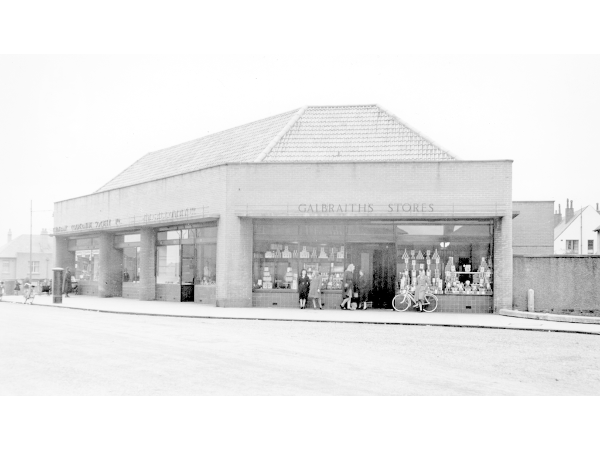
7. Garscadden
Garscadden may well have once been an important inland fish market. Its Gaelic name, Gart Sgadan, comes from the words gart (enclosure, field, farm) and sgadan (herring). The herring may have come from the Clyde via the old settlement of Dalnottar to the west. The lands of Garscadden and the lands of Dalnottar were held by the same landholder in the 14th century. | Glasgow City Archives
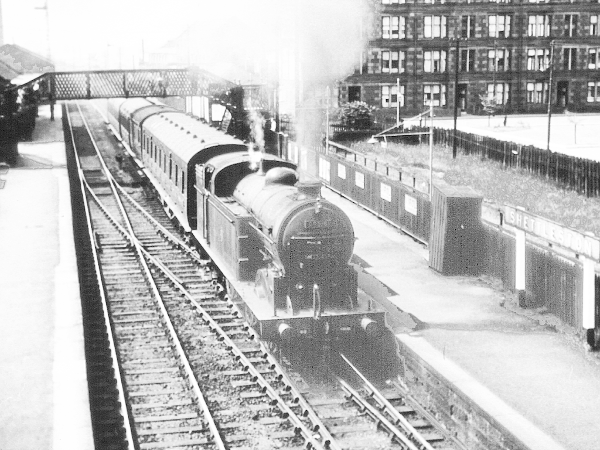
8. Shettleston Station
There isn’t a clear explanation for Shettleston’s name. It is possibly of medieval origin and has undergone numerous spellings. In 1179, a papal bull referred to "villam filie Sedin" – the residence of Sedin's son or daughter. This might be where the name comes from. | Virtual Mitchell