

At its peak, it was the largest tram network in the United Kingdom outside of London, and for many Glaswegians, the sight and sound of trams remains an enduring memory. The story began in 1872 when Glasgow Corporation Tramways introduced horse-drawn trams, running on rails laid in the city’s growing streets. These early vehicles were relatively slow and limited in reach, but they provided a much-needed alternative to walking in an expanding industrial city.
By the 1890s, the system had begun to electrify, with the first electric trams appearing in 1898. This technological leap revolutionised transport in Glasgow, allowing for faster, cleaner, and more efficient journeys across the city.
The early 20th century saw rapid expansion. By the 1920s and 1930s, the Glasgow tram network stretched over 100 miles, covering not just the city centre but also outlying districts such as Clydebank, Rutherglen, and Paisley. With their distinctive green and cream livery, the trams became a defining feature of Glasgow’s streetscape. They were affordable, reliable, and capable of carrying huge numbers of passengers during rush hours, helping to connect workers to the city’s shipyards, factories, and offices.
However, by the mid-20th century, the rise of buses and private cars began to challenge the dominance of the tram. Buses offered greater flexibility, since they did not require tracks and could easily adapt to changing traffic conditions and new routes. The maintenance of tram infrastructure also became increasingly expensive. As a result, Glasgow Corporation made the decision to phase out the trams.
The final tram ran on 4 September 1962, an event marked with both sadness and celebration. Crowds lined the streets to watch the last procession, with many seeing it as the end of an era.
Today, while the tracks are long gone, the memory of Glasgow’s trams lives on. Preserved examples can be seen at the Riverside Museum. For older Glaswegians, the trams remain a nostalgic reminder of a time when the city moved to the clatter of steel wheels on rails.
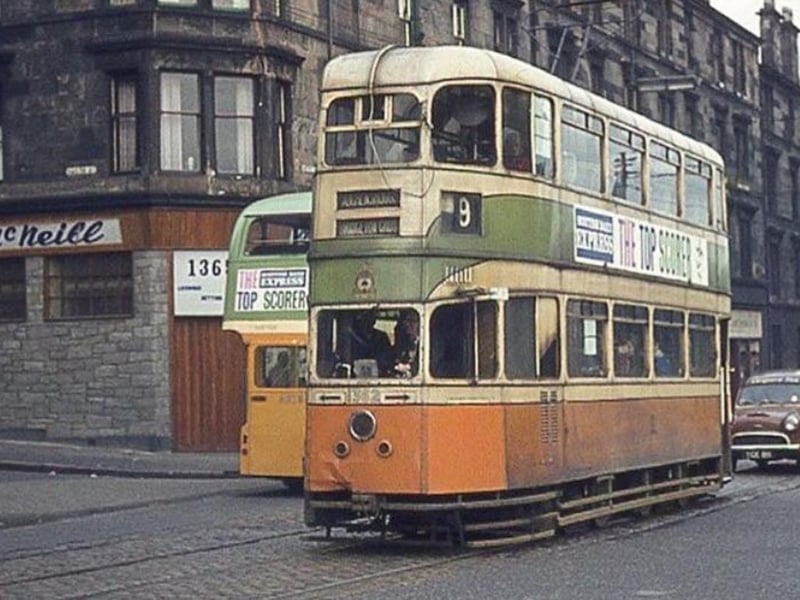
1. Glasgow trams
Trams are now consigned to memory but represent an important part of the Glasgow story. | Supplied
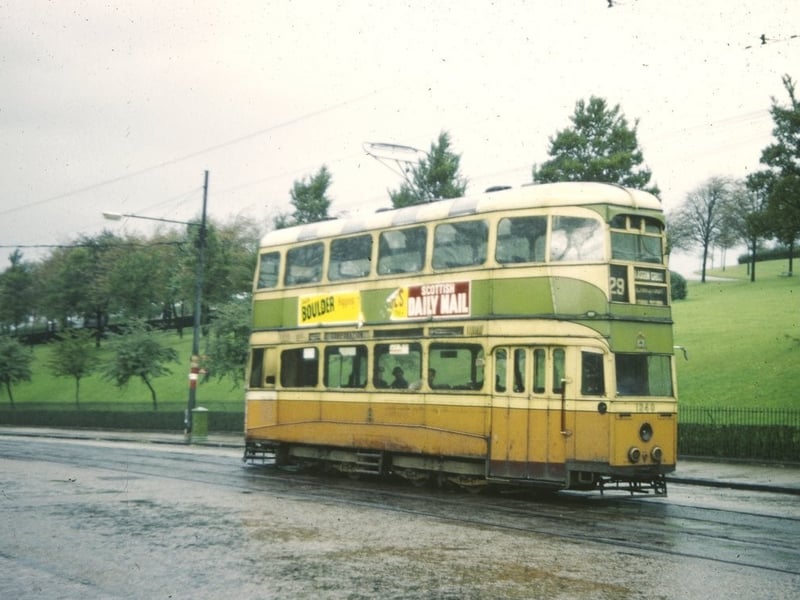
2. Maryhill Road
Glasgow Corporation tram on Maryhill Road passing Maryhill Park in 1961. | © Copyright: HES (Reproduced courtesy of J R Hume)
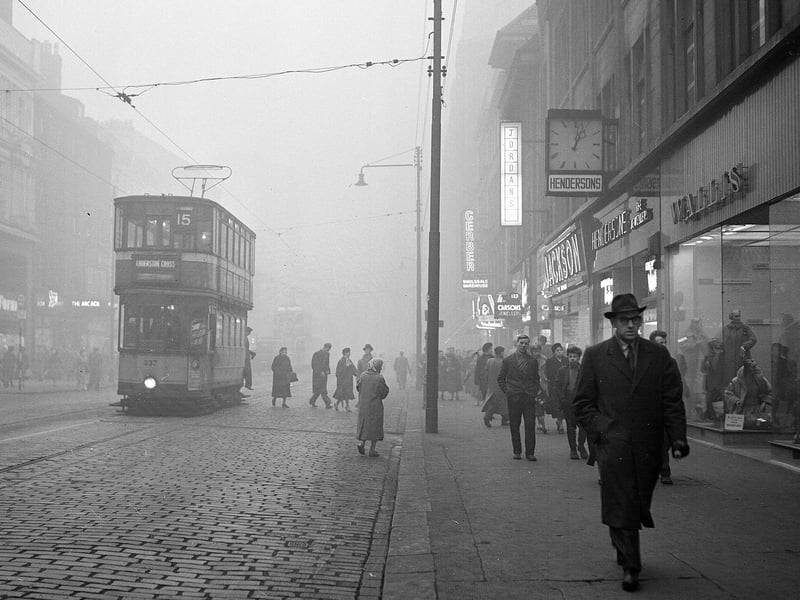
3. Argyle Street
A tram glides down Argyle Street | Supplied
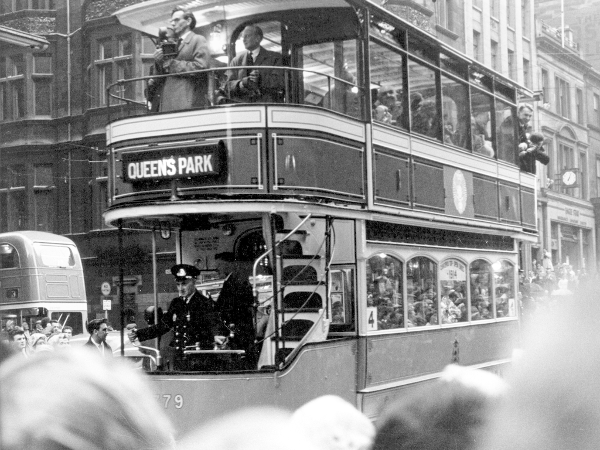
4. A final journey (1962)
A tram leads the charge on the commemorative parade to mark their last day of service in Glasgow, September 4 1962. | Contributed