

The Fifties was a decade that was mainly focused on the recovery from World War Two with Glasgow being far from an attractive place to live with slum housing conditions being visible across the city.
Health remained poor in the city with Glasgow launching a mass X-ray campaign aimed at, and largely successful in, eradicating tuberculosis in the city with thirty-six mobile units being used, and in five weeks over 700,000 people were x-rayed. It wasn’t an easy decade to grow up in but those who did still look back on it with fondness.
It was a decade that saw the true birth of rock and roll with figures such as Elvis Presley, Chuck Berry and Buddy Holly becoming recognisable with the dawn of the Cold War and the crowning of Queen Elizabeth II.
Take a look below at 8 photos of Glasgow in the 50s, as we look back and explore what it was like to grow up in Glasgow in the 1950s - and for more on Glasgow in the 50s, check out our article here.
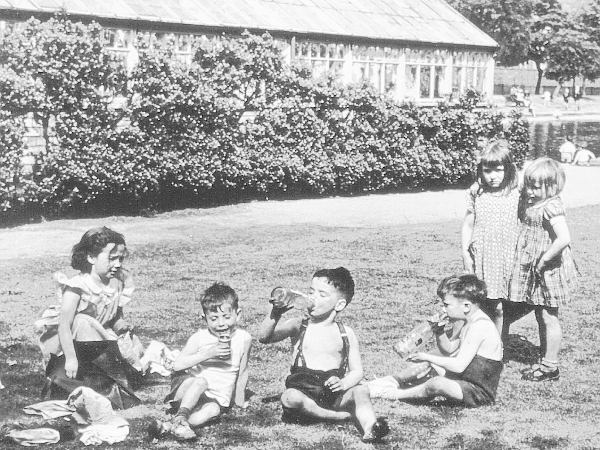
1. Elder Park
Break time at Elder Park in Govan back in the mid fifties. | Glasgow City Archives
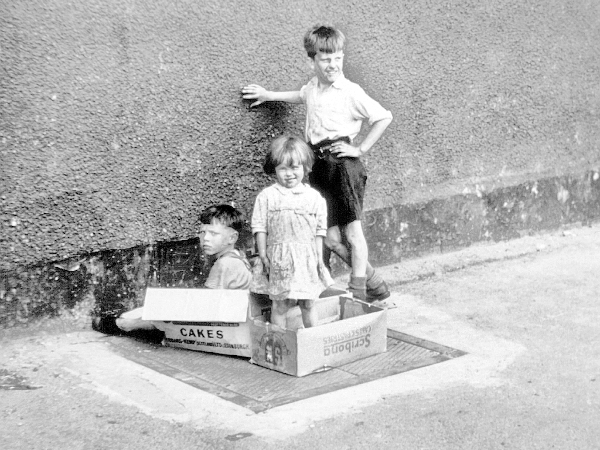
2. Children playing
Children playing on the Glasgow streets in 1955. | Glasgow City Archives
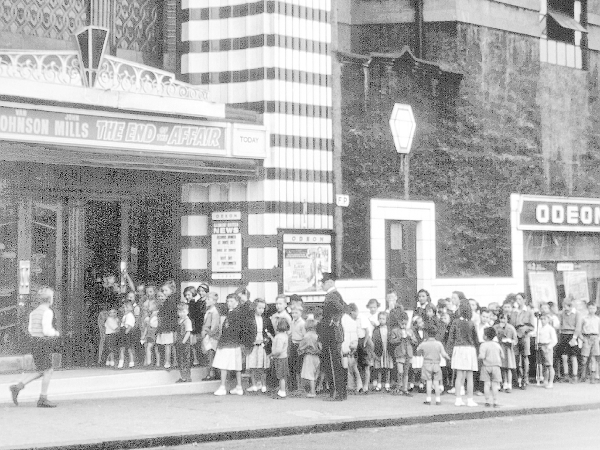
3. Saturday matinee for children
Queuing up for the Saturday matinee for children at the Odeon cinema in Shettleston. | Glasgow City Archives
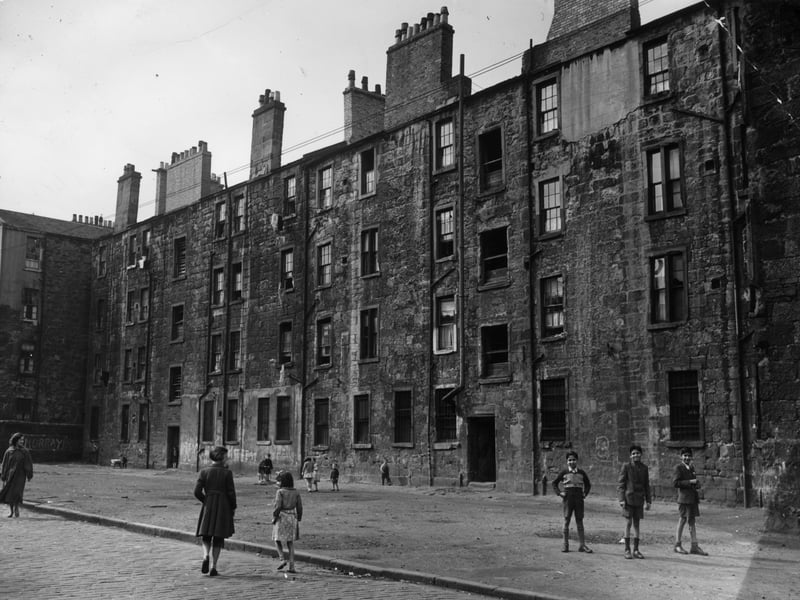
4. Gorbals (1956)
Children play in a yard in Coburg Street, in the Gorbals area of Glasgow. The Gorbals tenements were built quickly and cheaply in the 1840s, providing housing for Glasgow's burgeoning population of industrial workers. Conditions were appalling; overcrowding was standard and sewage and water facilities inadequate. The tenements housed about 40,000 people with up to eight family members sharing a single room, 30 residents sharing a toilet and 40 sharing a tap. By the time this photograph was taken 850 tenements had been demolished since 1920. Redevelopment of the area began in the late 1950s and the tenements were replaced with a modern tower block complex in the sixties. | Getty Images