

Once a densely populated and notoriously overcrowded area of Glasgow, the Gorbals had long been associated with poor living conditions. By the mid-20th century, this part of the city had become a byword for urban decay with overcrowded tenements and crumbling infrastructure. To those who lived there, it was a tightly knit world stitched together by family ties, friendship and a fierce sense of belonging.
With little indoor space, children spilled outside from morning until dusk. Footballs made of stitched leather bounced off gable ends. Chalk lines marked hopscotch grids. Games stretched across streets, many of which were soon to be erased.
Glasgow Corporation initiated an ambitious slum clearance and urban renewal program with large-scale demolitions beginning in the early 1960s, flattening many of the Victorian-era tenements that had defined the area’s skyline. In their place, modernist high-rise flats and tower blocks were constructed, inspired by contemporary architectural trends and the belief that modern design could foster improved living standards and a healthier urban environment.
However, while the redevelopment aimed to improve quality of life, the results were mixed. The high-rises were often poorly constructed and rapidly deteriorated. The design failed to create the sense of community that the old tenements, despite their flaws, had supported.
Nevertheless, the 1960s marked a turning point for the Gorbals. Over the following decades, further regeneration projects would attempt to correct the mistakes of this era. The Gorbals’ transformation in the 1960s remains a key chapter in Glasgow’s urban history, reflecting the complex interplay between architecture and community life.
Take a look back at some nostalgic images that recall this era and capture moments where the old tenements met their modernist replacements as a generation of Glaswegians grew up alongside the changes.
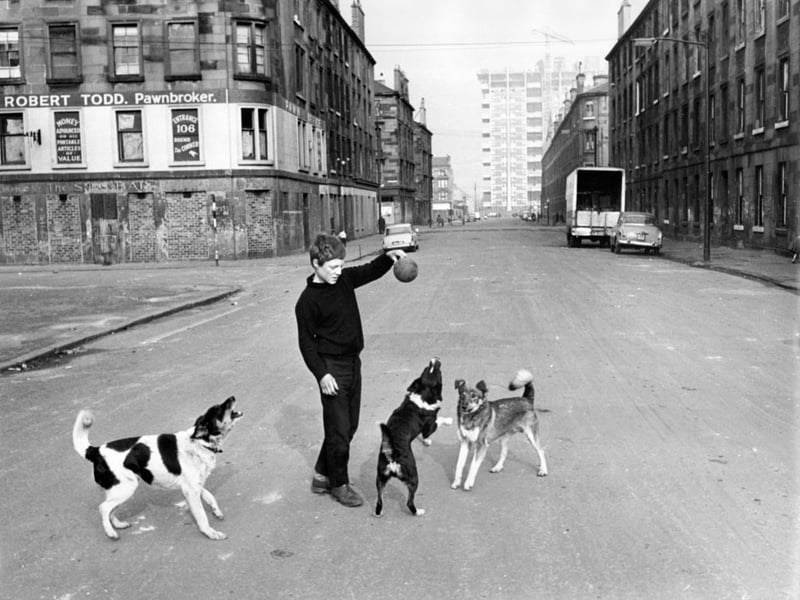
1. Gorbals 1960s
circa 1960: A boy playing with dogs in a road of tenement housing in the Gorbals area of Glasgow. | Getty Images
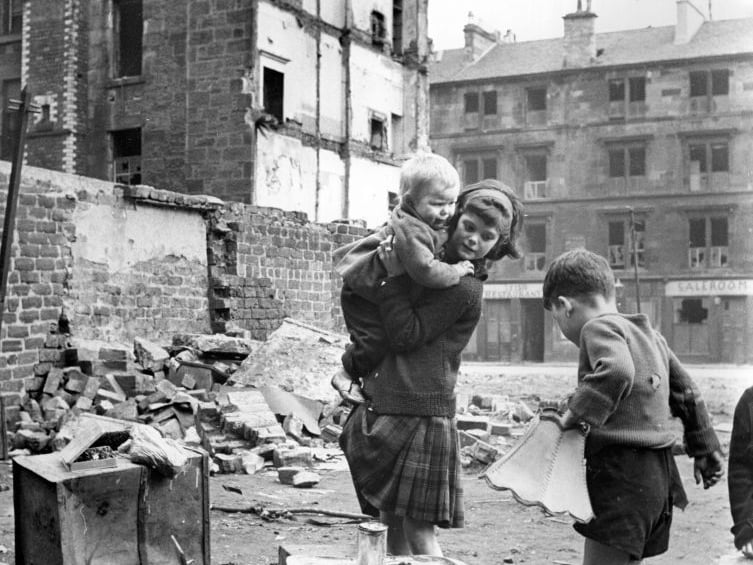
2. Gorbals 1960s
Children playing in an area under clearance in the Gorbals. | Getty Images
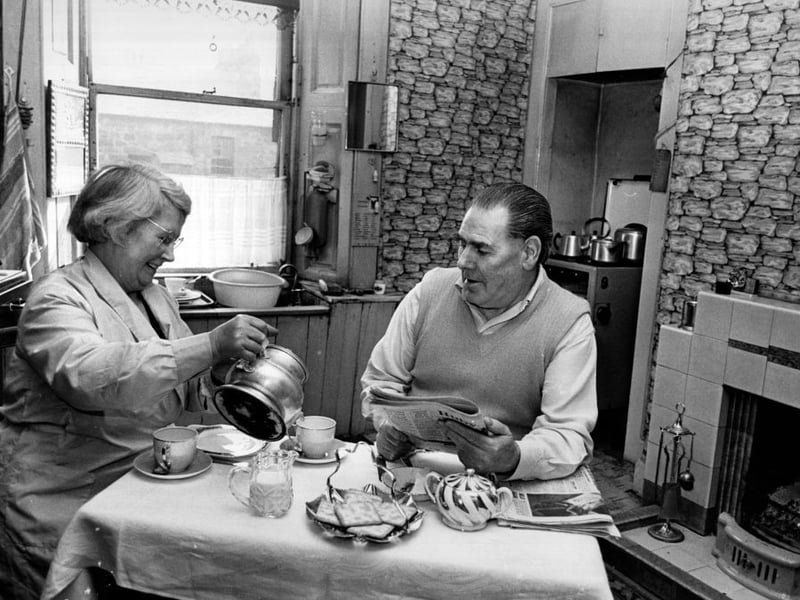
3. Gorbals 1960s
Mr and Mrs Curran sitting having tea in the kitchen of their soon-to-be-demolished tenement home in the Gorbals | Getty Images
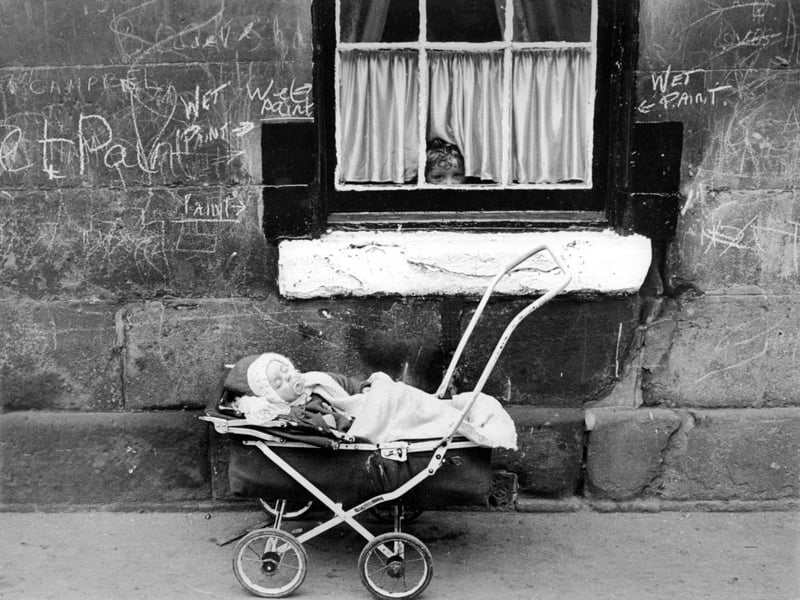
4. Gorbals 1960s
A child looks at a baby in a pram from the window of a tenement block in the Gorbals | Getty Images