
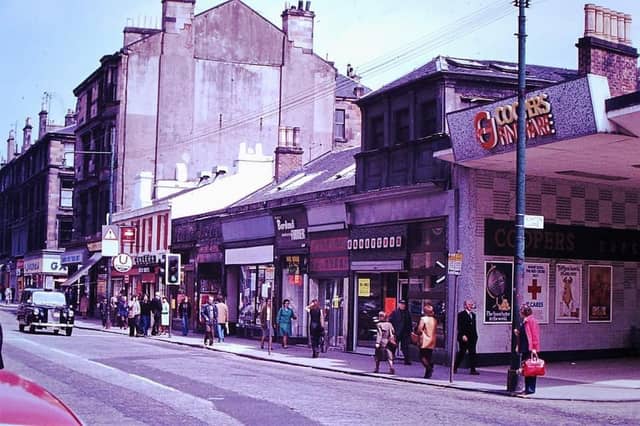


In the late 1700s, what is now the West End was a largely rural area, dotted with fields, farmhouses, and small estates. As Glasgow’s merchant and professional classes sought to escape the crowded conditions of the city centre, developers began to transform the area into a desirable residential district. The creation of Byres Road as a formal thoroughfare was part of this wider movement, providing a central artery that connected emerging neighbourhoods with key landmarks.
By the mid-to-late 19th century, Byres Road had become the commercial and social spine of the West End. Its proximity to the University of Glasgow, which relocated from the High Street to Gilmorehill in 1870, brought new life and a steady flow of students and academics. Shops, cafés, and meeting places quickly appeared to serve this growing community.
The introduction of Glasgow’s subway system in 1896 further boosted Byres Road’s status. Hillhead and Kelvinhall stations made it easily accessible. The Botanic Gardens, emergence of Ashton Lane as a hospitality hub, the Grosvenor Cinema, University Cafe and various independent shops and restaurants cemented its place in the modern city.
The oldest pub on Byres Road is Curlers Rest, housed in a 18th century cottage building, but with a history that stretches back to the 17th century as a tavern that was said to have been visited by King Charles II. It originally sat beside a pond that was used for curling in the winter.
Take a look back at eras of Byres Road through the generations in these 13 photographs.
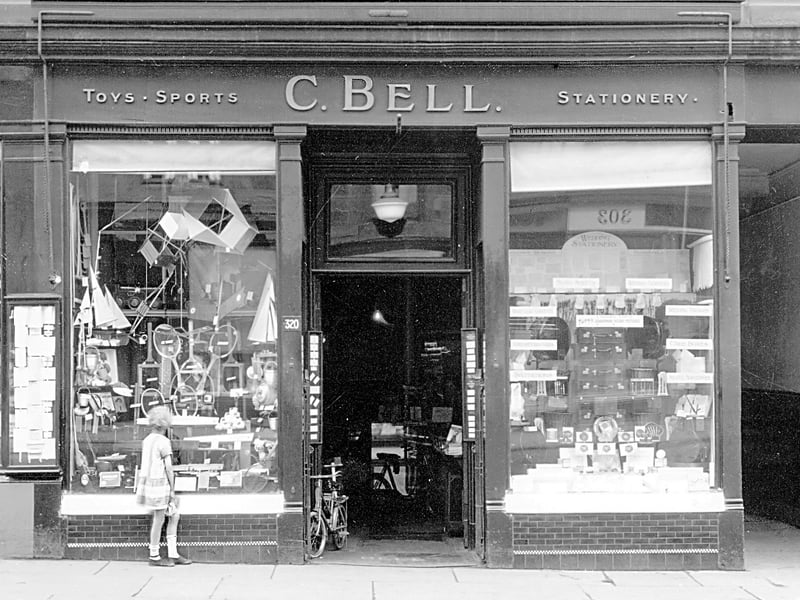
13. Byres Road
A toy store on Byres Road in 1929. | Glasgow City Archives
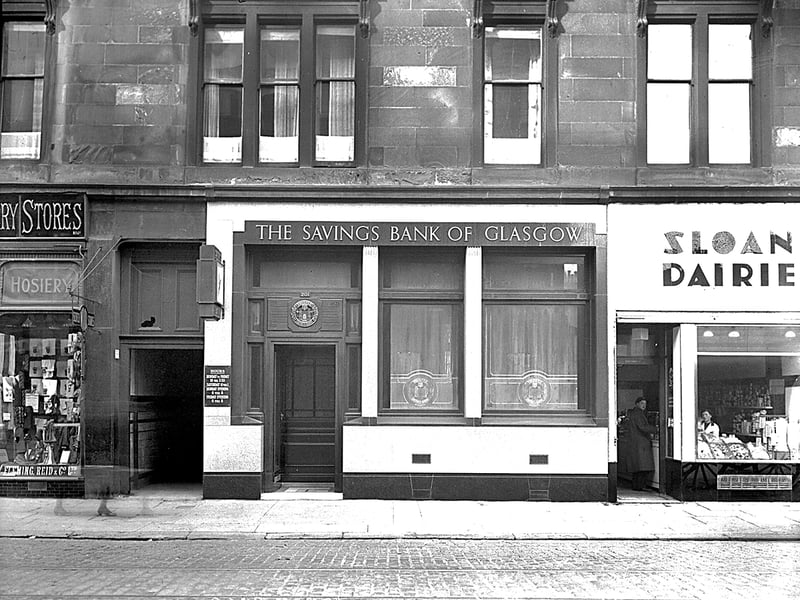
14. Byres Road
The Savings Bank of Glasgow and 201 Byres Road in February 1940. | Glasgow City Archives
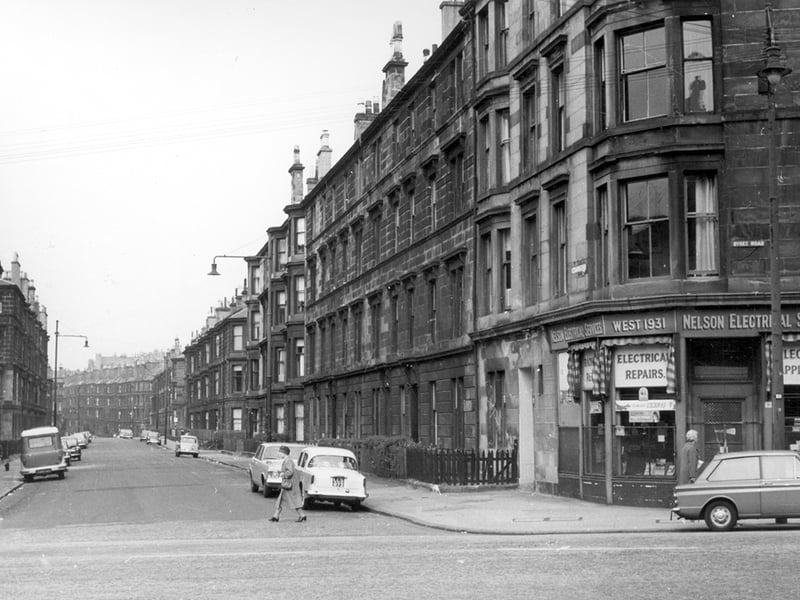
15. Byres Road
Corner of White Street and Byres Road, Hillhead, 1969 | Glasgow City Archives