

Finnieston originated in the early 19th century as part of the city’s westward expansion. It was named after the Reverend John Finnie, a local minister and landowner whose estate occupied much of the area.
Initially, Finnieston developed as a residential and light industrial district serving Glasgow’s booming shipbuilding and engineering industries along the River Clyde. Warehouses, tenements, and workshops filled its narrow streets, reflecting the working-class character of industrial-era Glasgow.
By the mid-20th century, Finnieston experienced decline as the shipyards and heavy industries that sustained it began to close. Many of its older buildings fell into disrepair.Urban renewal efforts in the latter half of the century sought to modernise the neighbourhood, with parts of the old industrial landscape cleared for new roads and housing developments. The construction of the Scottish Exhibition and Conference Centre in the 1980s marked the beginning of a slow regeneration process, bringing events, concerts, and tourism back to the waterfront.
In the early 21st century, Finnieston underwent a dramatic transformation, emerging as one of Glasgow’s most vibrant neighbourhoods. Former warehouses were converted into trendy bars, restaurants, and independent shops. The development of the nearby SSE Hydro and the continued growth of the Finnieston Strip on Argyle Street cemented its reputation as a hub of nightlife and creativity.
Here is the history of Glasgow’s Finnieston in nine old photographs.
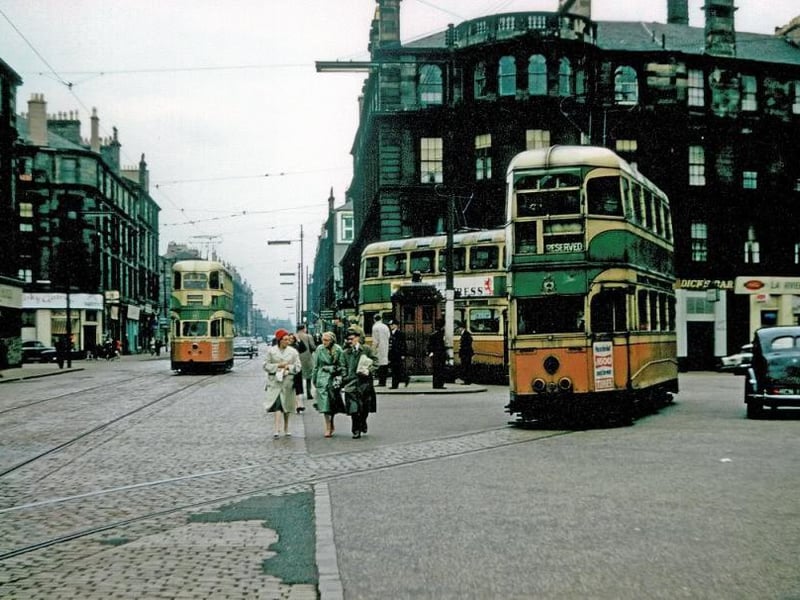
1. Finnieston Loop
The Finnieston loop pictured in 1959. | Morton Books
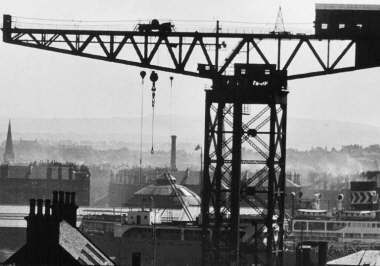
2. Finnieston Crane
The Finnieston Crane is a recognisable feature of Glasgow with it being pictured here in 1955. It has been retained as part of the city’s shipbuilding heritage. | Virtual Mitchell
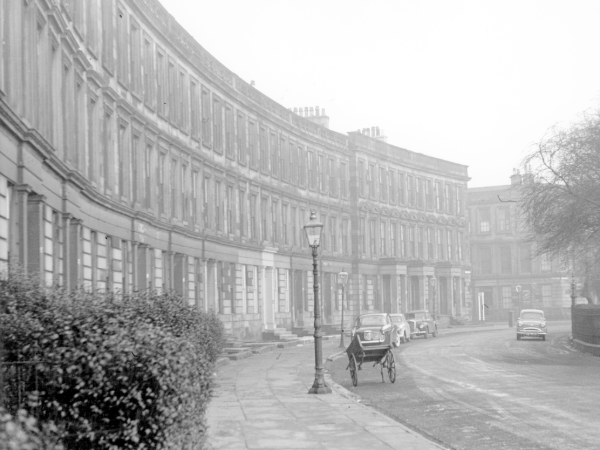
3. St Vincent Crescent
St Vincent Crescent pictured in 1959. | Glasgow City Archives
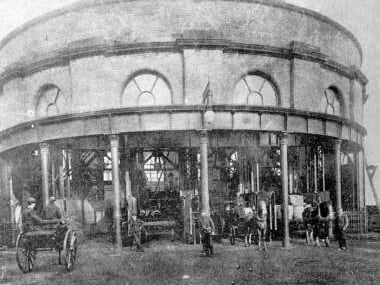
4. Harbour Tunnel rotunda
If you have visited the OVO Hydro or SEC you will have noticed two large dome structures that were built in the late 18th century linking Finnieston to Govan, giving access to horse-drawn vehicles and pedestrians with traffic being visible here in 1896. | Virtual Mitchell