

The Gallowgate is one of Glasgow’s oldest streets, forming the eastern continuation of the High Street from the city centre into the East End.
Its name comes from the gallows that once stood on the Gallowmuir, an area east of the medieval burgh where public executions took place from the Middle Ages until the 18th century.
In medieval times, the Gallowgate was a main route out of Glasgow, linking the town to surrounding farmland and to Glasgow Green, which was used for grazing, markets, and public gatherings. As Glasgow grew through the 17th and 18th centuries, the street became increasingly built up, with workshops, small industries, and housing, particularly connected to weaving and later heavy industry.
During the 19th century, rapid industrialisation transformed the Gallowgate into a densely populated working-class area. It became known for strong community life, influenced by immigration.
The 20th century brought major changes to the area and is home to one of the best live music venues in the UK - the Barrowland Ballroom.
Here are seven retro pictures of the Gallowgate through the years.
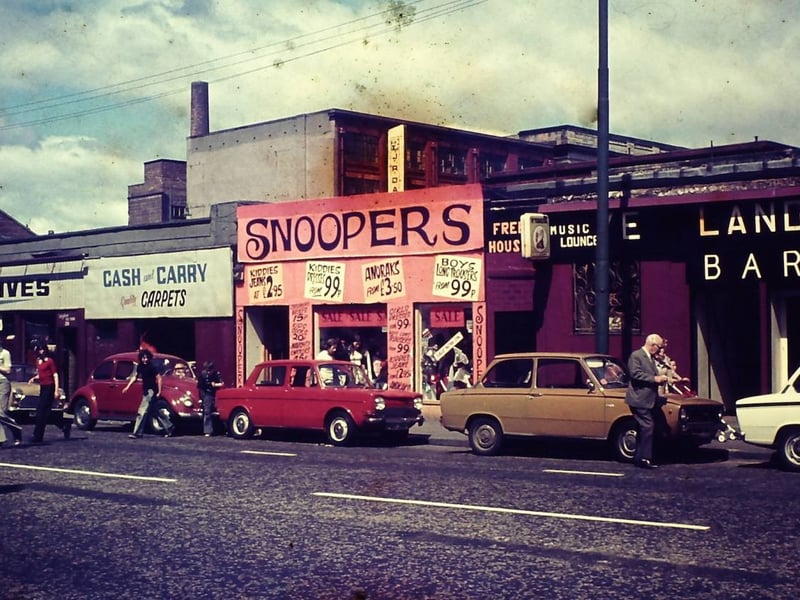
1. Gallowgate (1976)
A snapshot of the Gallowgate in 1976. | Ed Sijmons
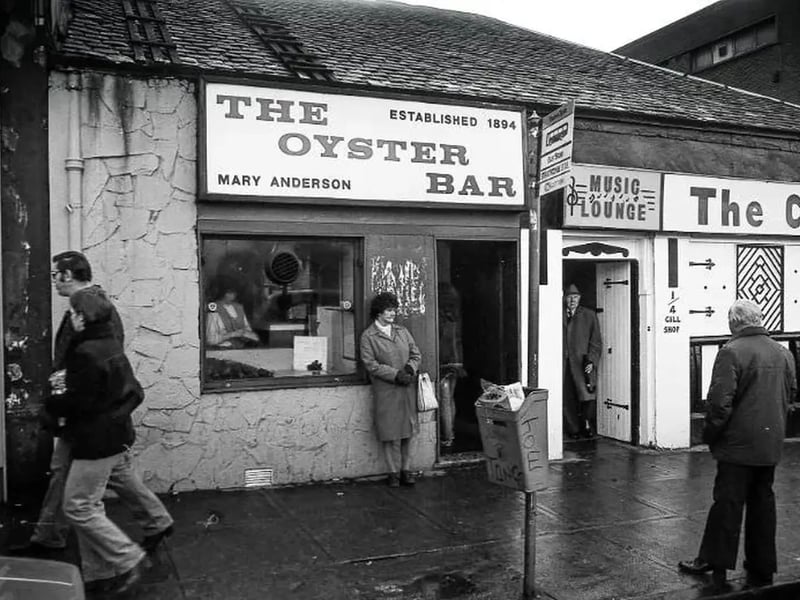
2. The Oyster Bar
The Oyster Bar pictured on the Gallowgate back in 1982. | Maureen Caputi
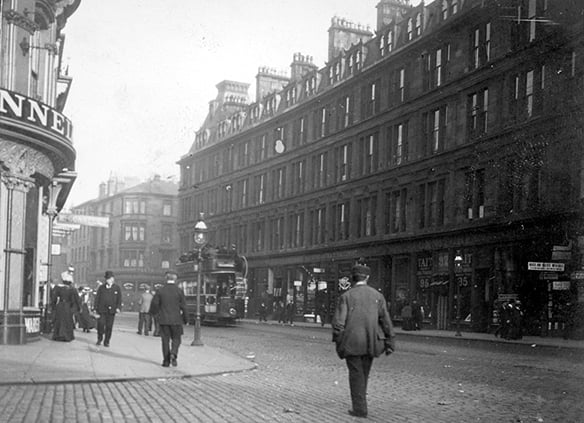
3. Gallowgate (1902)
Pedestrian traffic on the corner of 96-110 Gallowgate and 14 Moir Lane | Contributed
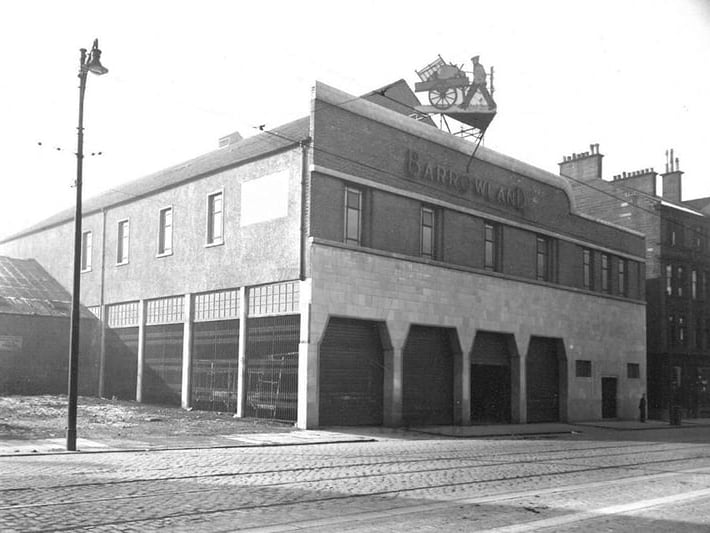
4. Original Barrowland Ballroom (1935)
Check out the original sign for the Barrowland Ballroom - before it was a massive gallus neon sign - it was a wee neon man pushing a wheelbarrow, the wheel of the massive barrow can be found above the main staircase to the ballroom today | Glasgow City Archives