

Kelvingrove Bandstand and Amphitheatre recently celebrated their 100th anniversary. The bandstand as we know it today was opened back in May 1924.
This year also marks a decade since a £2 million investment project saw the restoration of the venue to secure its future for the 21st century.
We wanted to take a look back at the history of the bandstand and see how the venue has changed in the heart of Glasgow’s West End with a huge thanks to Glasgow Life for piecing together the story on the bandstand.
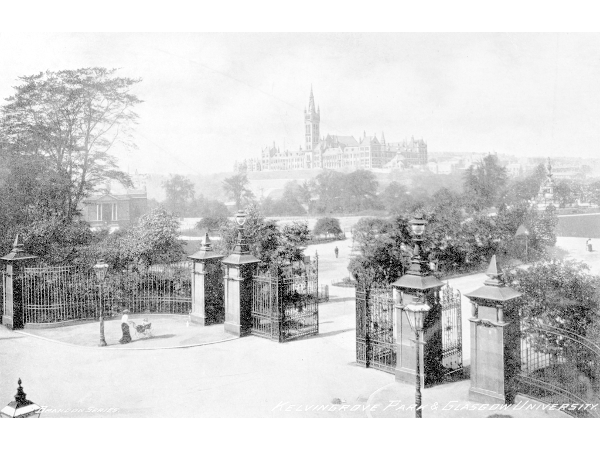
1. Kelvingrove Park
The first live performance was held at Kelvingrove Park in 1872. At 5 o’clock on Saturday 3 August 1872, the very first band played at Kelvingrove Park. These pioneers were the band of the 25th Lanarkshire Rifle Volunteers, a well-known local military band. In that very first concert they played a selection of popular classical and Scottish pieces which most of the crowd would have been very familiar with. | Glasgow City Archives
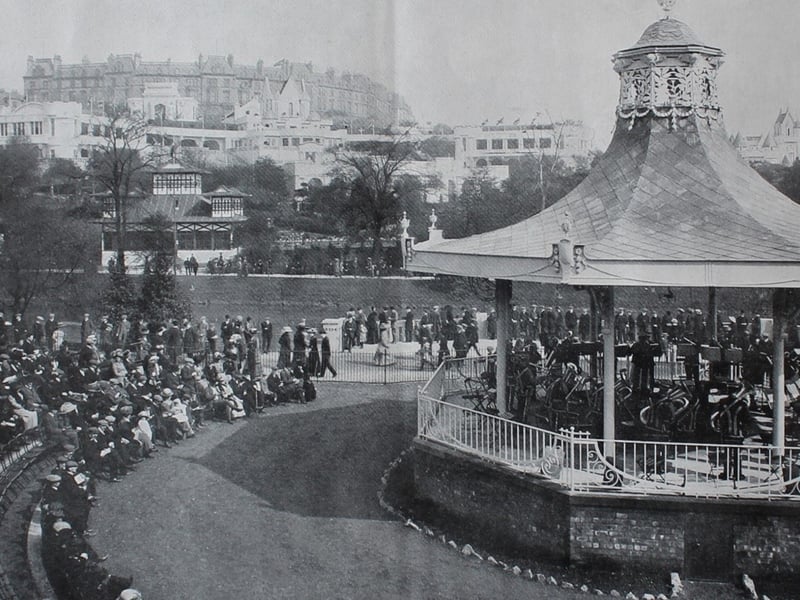
2. Kelvingrove Bandstand
The first bandstand at Kelvingrove Park was built in 1875. Here is a photograph of the park in 1901 during the Glasgow Exhibition. It was the Sun Foundry who were commissioned to supply the first bandstand in Kelvingrove Park in 1875. It was installed in the park extension in 1876 on the site where the statue of Lord Kelvin now stands. | Glasgow Life
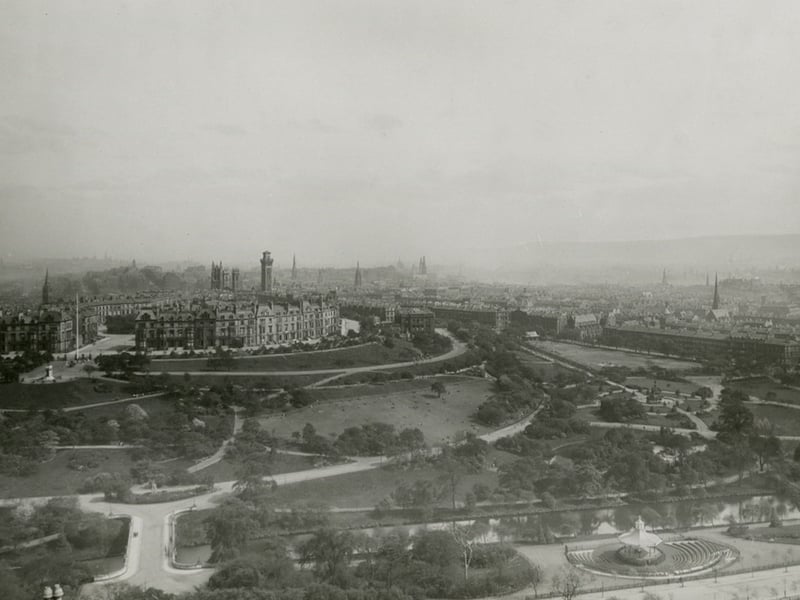
3. Kelvingrove Bandstand
After the First World War the city was swept along into the Roaring Twenties. There was a lot more variety at the bandstands with costumed concert parties, choirs and orchestras appearing more and more. This was so successful that they had to increase the size of the amphitheatre to accommodate all the people who wanted to attend these new shows. | Glasgow Libraries
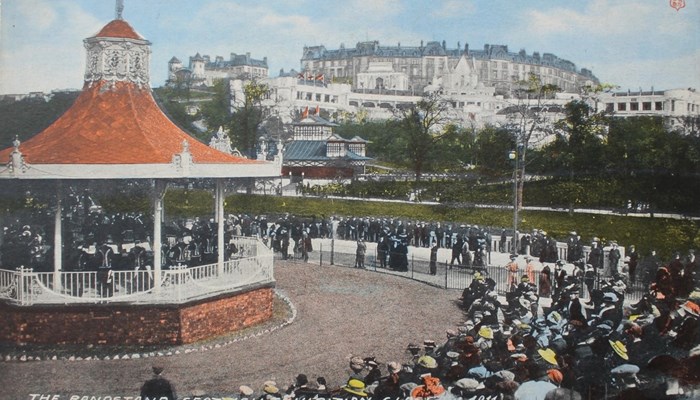
4. Kelvingrove Bandstand
The old 1911 bandstand was sold to Stonehouse Parish Council and re-erected in the Alexander Hamilton Memorial Park where it still stands today. | Glasgow Libraries