

New Lanark was founded in 1785 by David Dale, a Glasgow merchant and philanthropist, alongside English inventor Richard Arkwright, whose pioneering water-powered spinning technology helped fuel the modern textile industry. The River Clyde provided the essential power source: rushing water capable of driving large mill wheels.
The site was ideal for production but remote, meaning a workforce needed to be housed locally. New Lanark was therefore planned not only as a factory complex, but as a complete community with mills, housing blocks, a school, and services all designed to keep the operation self-sufficient.
Cotton manufacturing was booming, and New Lanark quickly grew into one of Britain’s most productive and important mills. However, like many industrial operations of the era, its early workforce included many child workers, often taken from poorhouses and orphanages in distant cities.
The defining chapter of New Lanark began in 1800, when the mills were purchased by a management group that included a young Welsh industrialist: Robert Owen.
Owen was not content with the harsh industrial norms of his day. He believed that people were shaped by their environment, and that by improving living and working conditions, both productivity and wellbeing would rise in tandem.
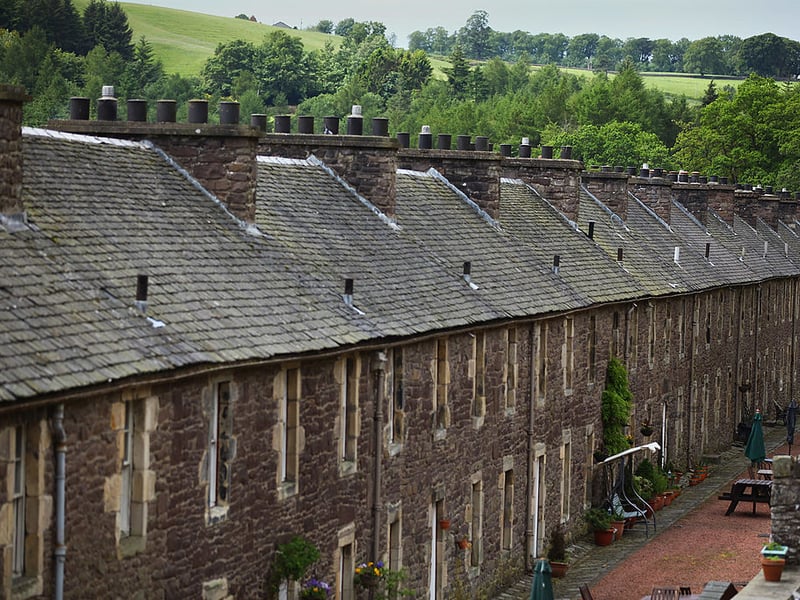
1. New Lanark
At a time when factory labour was typically brutal, Owen introduced reforms so radical they made New Lanark internationally famous. | Getty Images
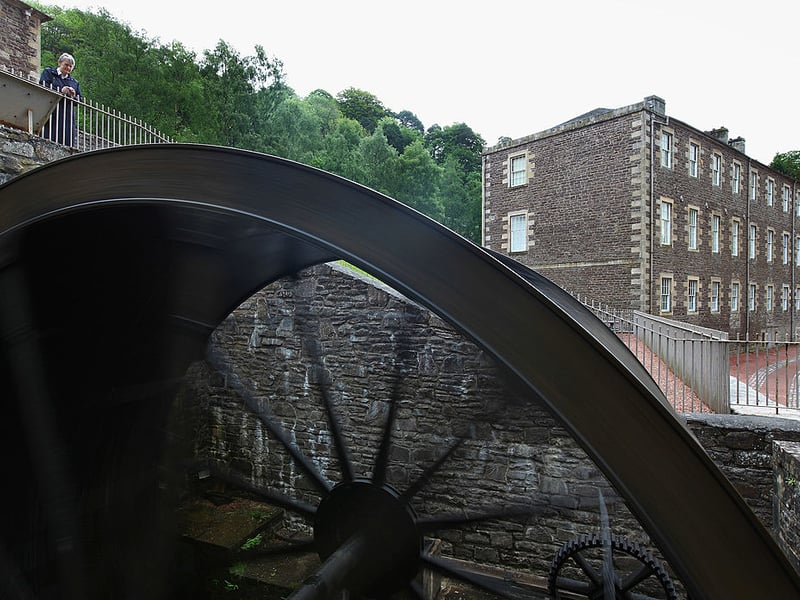
2. New Lanark
The plan included reduced working hours, improved sanitation and housing standards, fairer treatment of workers, including bans on physical punishment. There was a strong focus on education. His most enduring legacy was the creation of the Institute for the Formation of Character in 1816, where both children and adults received instruction, cultural education, and training, a ground-breaking idea in an era when literacy was far from universal among working-class people. | Getty Images
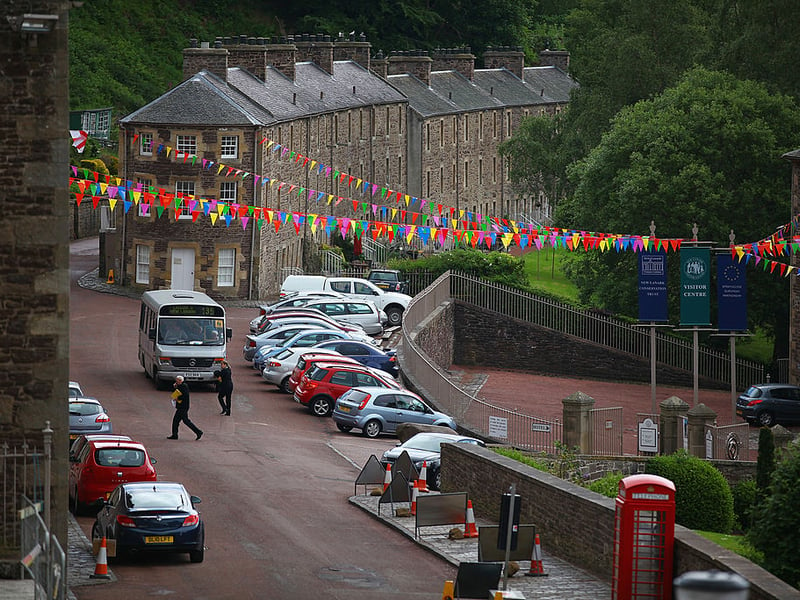
3. New Lanark
Owen also pioneered early childcare and schooling schemes, arguing that childhood should not be sacrificed to industrial output. While he did not eliminate child labour entirely, his policies substantially shifted expectations of what employers owed their workforce. | Getty Images
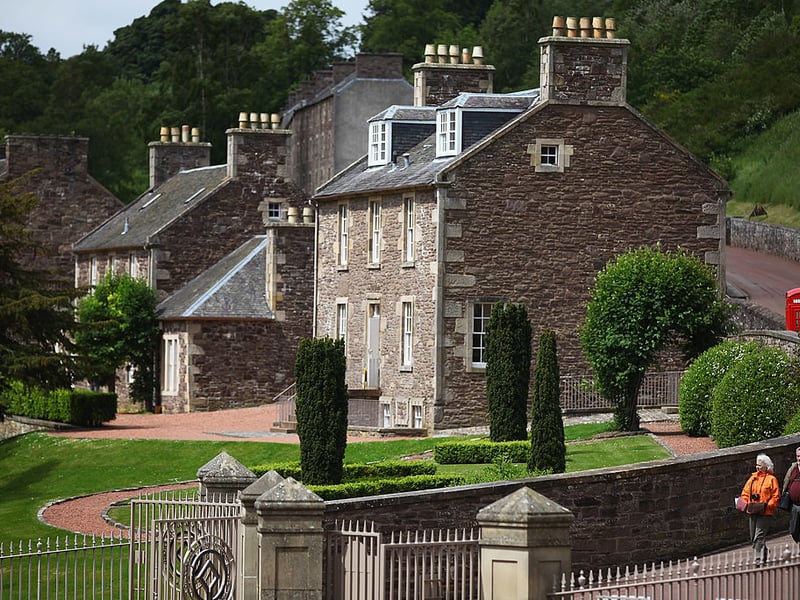
4. New Lanark
New Lanark became famous well beyond Scotland. Visitors arrived from Europe and America to observe the “model factory village.” It was praised by reformers and politicians, and it deeply influenced debates around labour laws, education, and the rights of workers. | Getty Images