
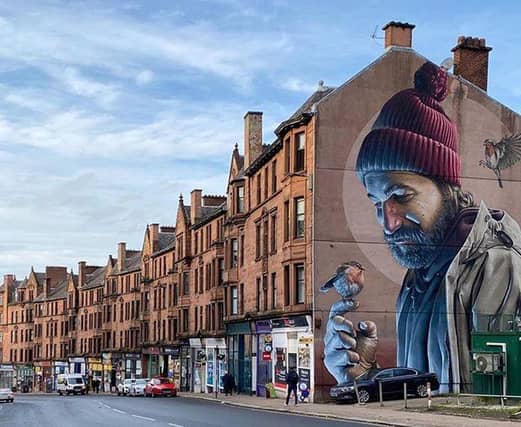


Until around 1750, Glasgow consisted of just thirteen principal streets. Today, there are well over 2,000 streets spread across the city, but those original thirteen formed the backbone of medieval Glasgow.
Glasgow grew around its cathedral, established on the site traditionally associated with St. Mungo (also known as St. Kentigern), who is credited with founding the city's early Christian settlement in the sixth century. The settlement became known as Glaschu, often translated as "the dear green place," although the exact meaning remains the subject of historical debate.
Relatively little is known about Glasgow during its earliest centuries. The city's history becomes much clearer from the medieval period onwards, largely thanks to the growth of trade and commerce. As Glasgow developed into a mercantile town, merchants, clergy and civic officials began recording transactions, legal matters and local events, providing historians with invaluable insight into the city's development. These records become increasingly detailed during the rise of the tobacco trade, which transformed Glasgow into one of Britain's most important commercial centres and laid the foundations for the Industrial Revolution and the city's world-famous shipbuilding industry along the River Clyde.
Before this period, written accounts of Glasgow's history, daily life and commerce were relatively scarce. Much of what we know about early medieval Glasgow has been pieced together from archaeology, ecclesiastical records and later historical sources.
For much of its early existence, Glasgow was primarily a religious settlement. Pilgrims travelled from across Scotland and beyond to visit the cathedral and the shrine of St. Mungo, but beyond this there was little to distinguish the small settlement. The cathedral dominated both the skyline and the life of the community, surrounded by modest timber buildings, narrow lanes and open ground.
It's difficult to picture Glasgow as it existed hundreds of years ago. The city was far smaller, quieter and considerably darker than the bustling metropolis we know today. Streets remained unlit until 1717, when a limited number of oil lamps were installed. More than a century later, in 1818, gas lighting was introduced, dramatically transforming the city after dark.
Remarkably, many of Glasgow's original medieval streets still exist in one form or another. Although generations of redevelopment, road widening and Victorian expansion—particularly around the East End—have altered their appearance, their ancient routes remain woven into the fabric of the modern city. In this article, we'll journey through these surviving streets and discover how they helped shape Glasgow into the city we know today.
Here are the 13 medieval streets that shaped Glasgow's history.
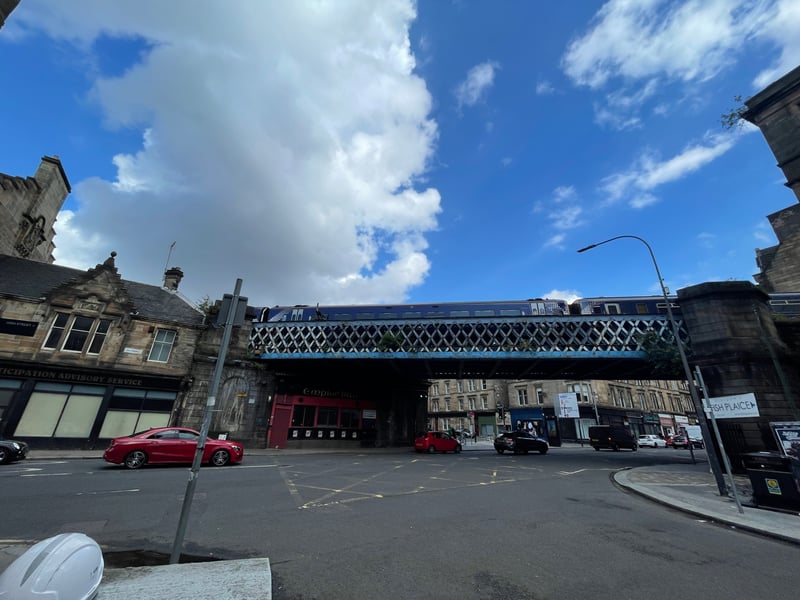
9. Saltmarket (1100)
Saltmarket Street, opened in 1100. It was then known as Walcargate, named after a colony of cloth waulkers or fullers who worked on the street. About 1650 the name was changed, when it became the market for salt. | Contributed
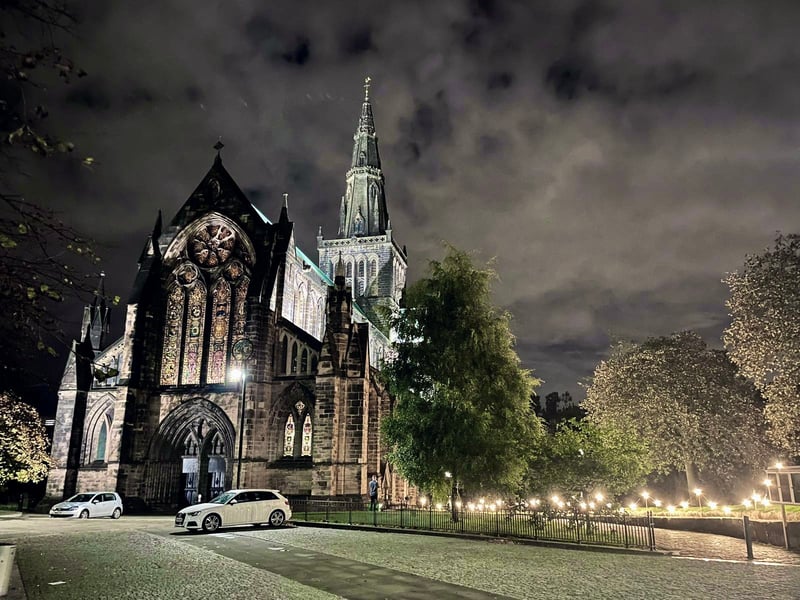
10. Canon Street (1360)
Canon Street is no longer with us unfortunately, and it’s difficult to pinpoint its exact location. Opened in 1360, it was formed upon the site of what had been a seminary for religious canons. | Glasgow Cathedral Festival
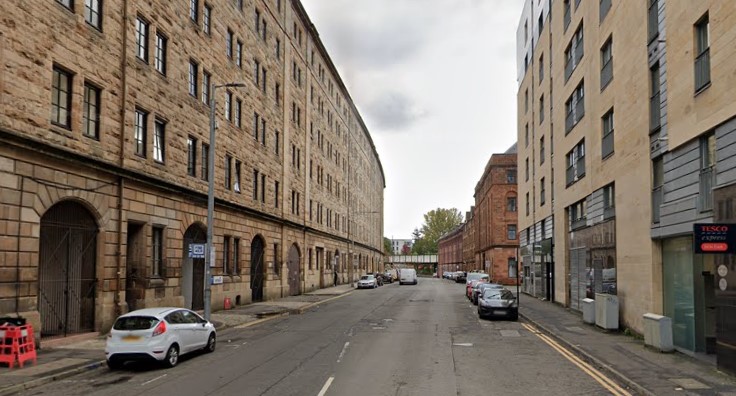
11. Bell Street (1710)
Bell Street opened in 1710, and named for Sir John Bell, who was Provost in 1680. | Contributed
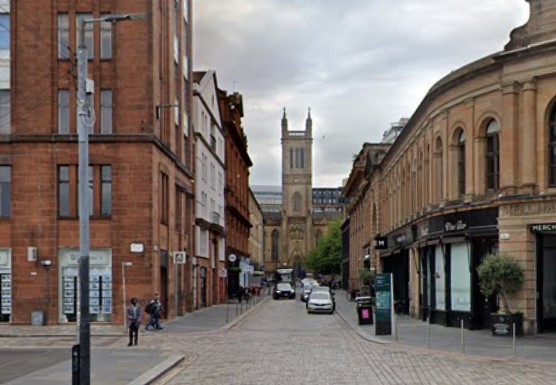
12. Candleriggs Street (1724)
Candleriggs Street, opened in 1724 - a candle stick maker formerly occupied a site at its north end, although it remains uncertain if there was ever a butchers or a bakers on the ancient street however. | Contributed