

Cumbernauld began life as a small village, with weaving as its main industry, later followed by mining as the Industrial Revolution reached North Lanarkshire alongside the construction of the Forth and Clyde Canal.
The town’s name is thought to come from the Gaelic comar nan allt, meaning “meeting of the burns or streams”. However, this interpretation is still hotly debated among local historians, and the true origin of the name remains uncertain to this day.
It wasn’t until 1955—almost a decade after the Second World War—that Cumbernauld was designated a “new town”. It was one of the first in Scotland to receive this status, following East Kilbride in 1947 and Glenrothes in 1948. Other new towns would follow, including Livingston in 1962 and Irvine in 1966. These new towns were built in response to the post-war baby boom, at a time when Glasgow was facing a severe housing shortage.
Cumbernauld was designed around the idea of an elevated, futuristic, almost indoor town centre—an approach that was as innovative as it was controversial. Around this central hub, satellite neighbourhoods were planned to cluster. The town’s architecture and urban planning went on to pioneer the widespread use of underpasses and footbridges across Britain.
Last year, it was announced that Cumbernauld Town Centre will be demolished and rebuilt, with work expected to begin within the next three to five years. With the town facing an uncertain future, now feels like the right time to look back at the history of Scotland’s most ambitious new town.
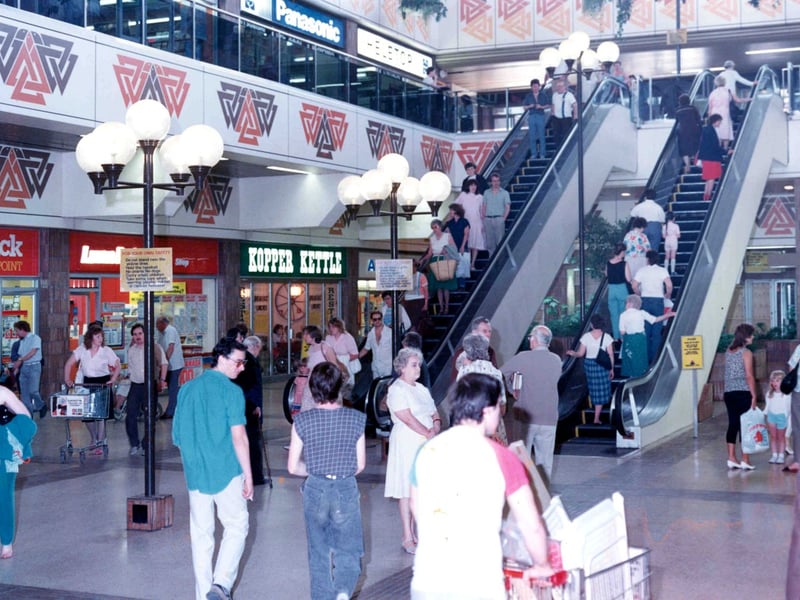
1. Shopping in the 80’s (Circa. 1980’s)
Shoppers at the escalators in Phase 4 of Cumbernauld Town Centre. | CultureNL
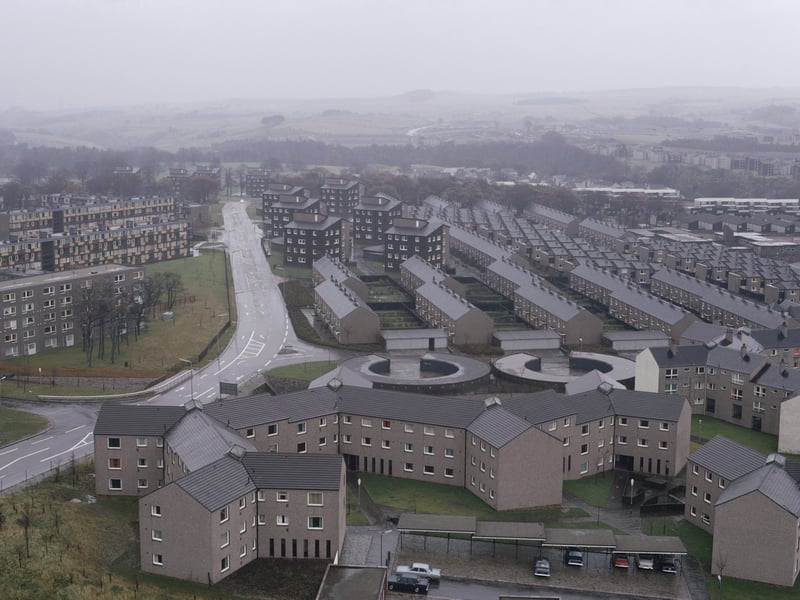
2. Cumbernauld (1970)
A view of the new town housing of Cumbernauld in 1970 which was built to solve a chronic shortage of housing in post-war Glasgow. | Getty Images
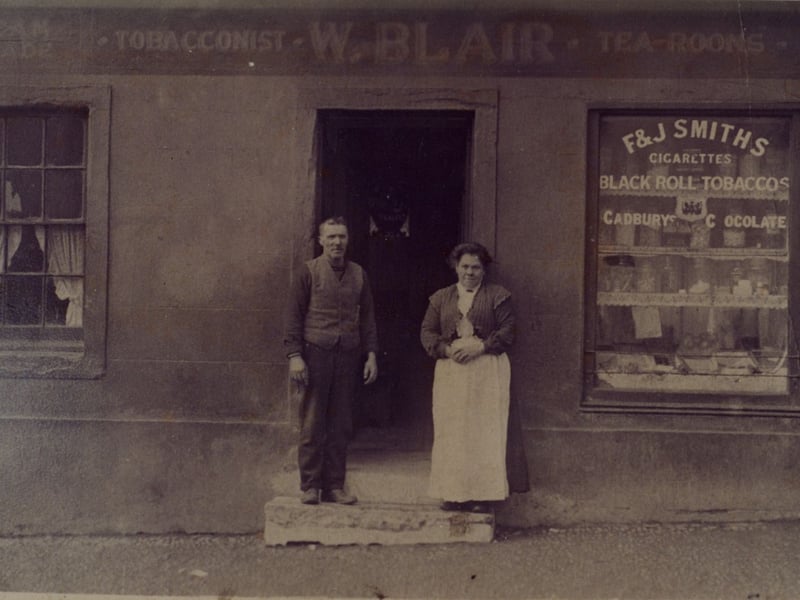
3. Tea Rooms (1907)
Mr and Mrs Blair are photographed at the door of their tobacconists’ shop and tea rooms at 37 Main Street, Cumbernauld village - take a look at the signage on the window and you can see you could grab some Cadbury’s chocolate alongside some black roll tobacco, we don’t know what sounds more delicious (definitely the chocolate). | Contributed
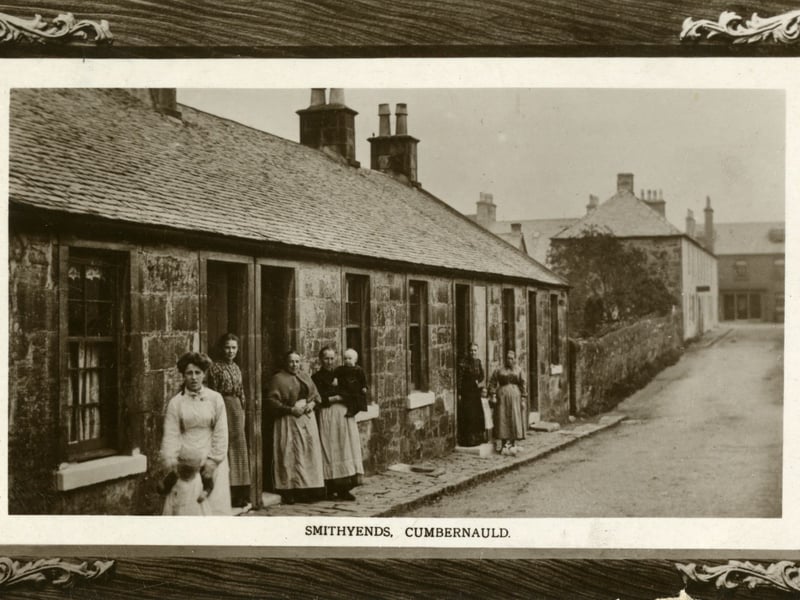
4. Smithyends (1916)
The houses on this picture postcard posted in 1916 no longer exist. | CultureNL