
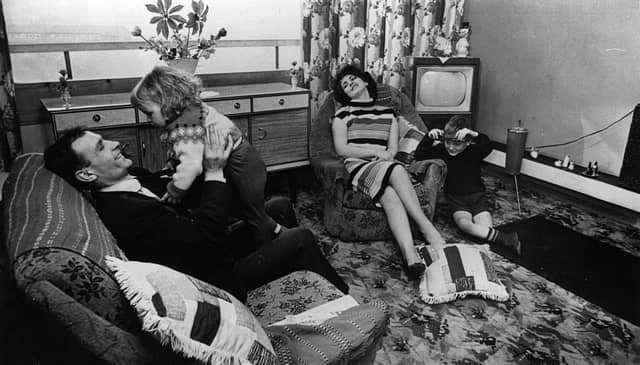


If you grew up in a Glasgow high flat, you’ll know just how special that experience was. Today, we’re taking a look back — documenting the social history of high rise living in Glasgow.
The 1960s were a time of major change for the city. As Glasgow reached the twilight of its long industrial era, housing saw a dramatic transformation. The Glasgow Corporation set out to replace the city’s crumbling tenements with modern high-rise towers — a move that would forever reshape the city’s skyline and the way people lived.
Just six decades ago, areas like the Gorbals were regarded as some of the worst slums in Europe. Overcrowding was extreme — many families lived without indoor toilets or running water meaning that something had to change.
The old tenements, built quickly and cheaply during the 1840s industrial boom, were intended to house the influx of working-class labourers. Around 40,000 people lived in these buildings, often with up to eight family members sharing a single room. In some blocks, 30 residents shared one toilet, and 40 shared a single tap.
Here is the history of Glasgow’s high flats in 20 old photographs.
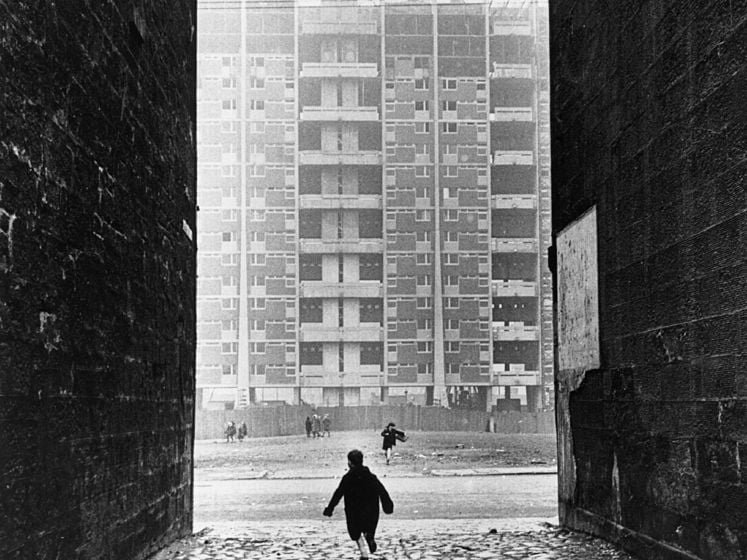
5. Big things coming
It was an exciting time for anyone to be alive in Glasgow - but as a child? The towers seemed so much larger than life. | Getty Images
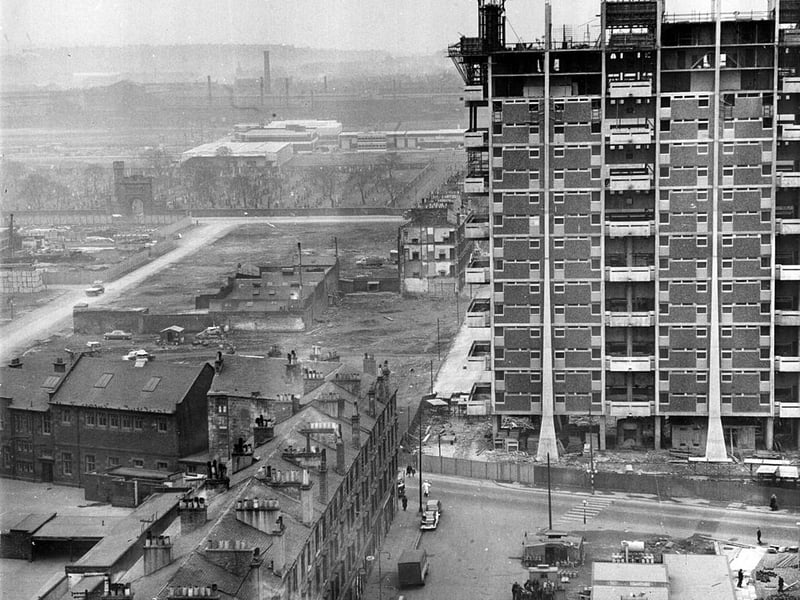
6. Old and new Gorbals
If you moved into the towers when they were first built, you'll just how much of a transient time it was. Moving out of slum-condition tenements into the brand new swanky towers. (Photo by Albert McCabe/Express/Getty Images) | Getty Images
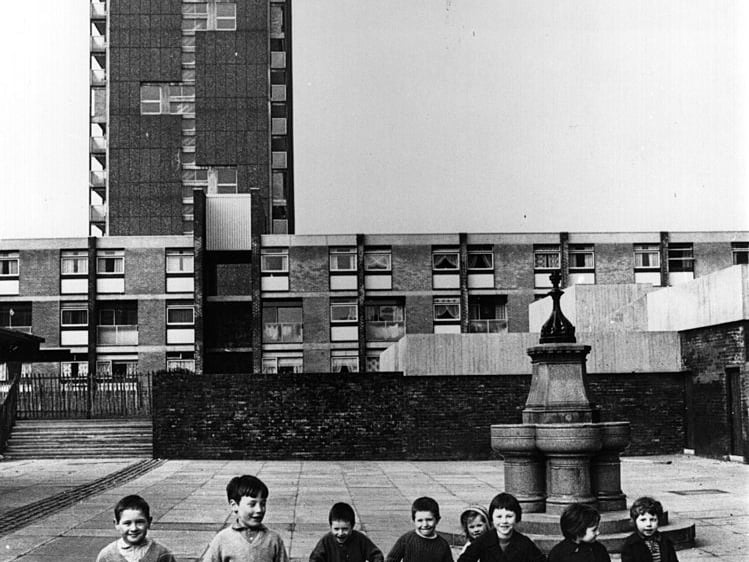
7. Coming out to play?
Moving from low to high density housing meant that your friend group had expanded 10-fold after moving into a tower | Getty Images
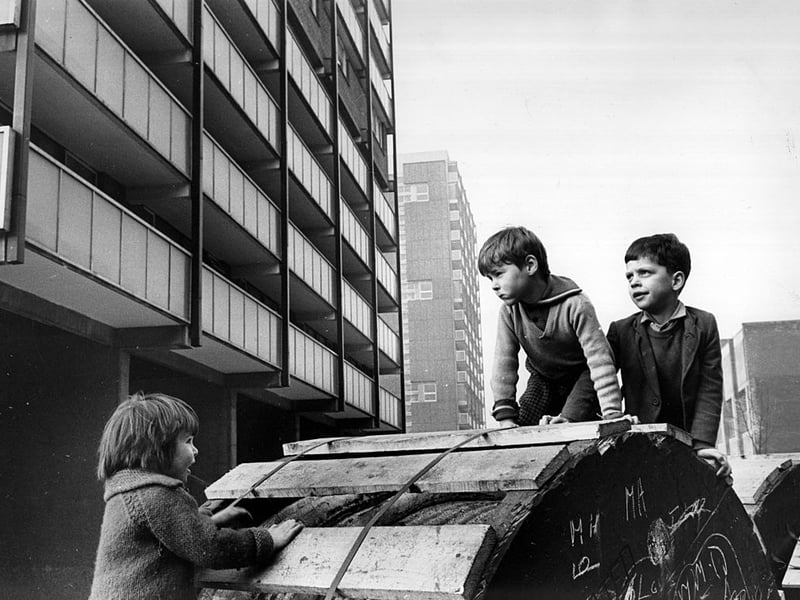
8. Climbing bins
The new vertical environments of the tower blocks gave a lot of different opportunities to play as a child. | Getty Images