
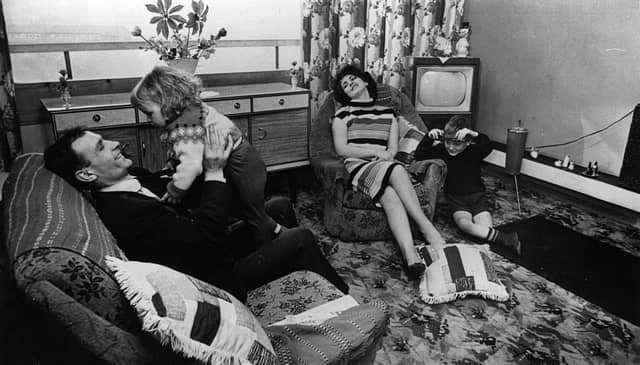


If you grew up in a Glasgow high flat, you’ll know just how special that experience was. Today, we’re taking a look back — documenting the social history of high rise living in Glasgow.
The 1960s were a time of major change for the city. As Glasgow reached the twilight of its long industrial era, housing saw a dramatic transformation. The Glasgow Corporation set out to replace the city’s crumbling tenements with modern high-rise towers — a move that would forever reshape the city’s skyline and the way people lived.
Just six decades ago, areas like the Gorbals were regarded as some of the worst slums in Europe. Overcrowding was extreme — many families lived without indoor toilets or running water meaning that something had to change.
The old tenements, built quickly and cheaply during the 1840s industrial boom, were intended to house the influx of working-class labourers. Around 40,000 people lived in these buildings, often with up to eight family members sharing a single room. In some blocks, 30 residents shared one toilet, and 40 shared a single tap.
Here is the history of Glasgow’s high flats in 20 old photographs.
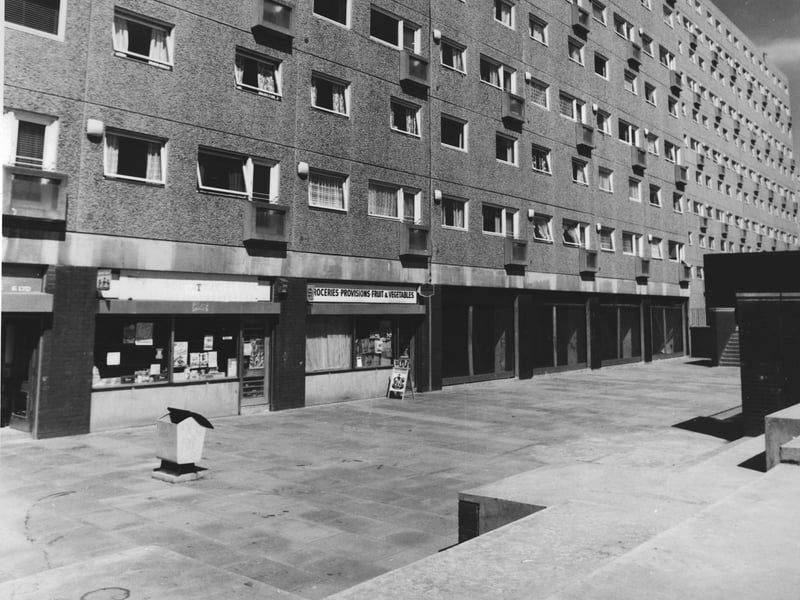
13. St Vincent Terrace (Circa. 1976)
Flats and shops at St Vincent Terrace, part of the Anderston Cross Comprehensive Development Area | Contributed
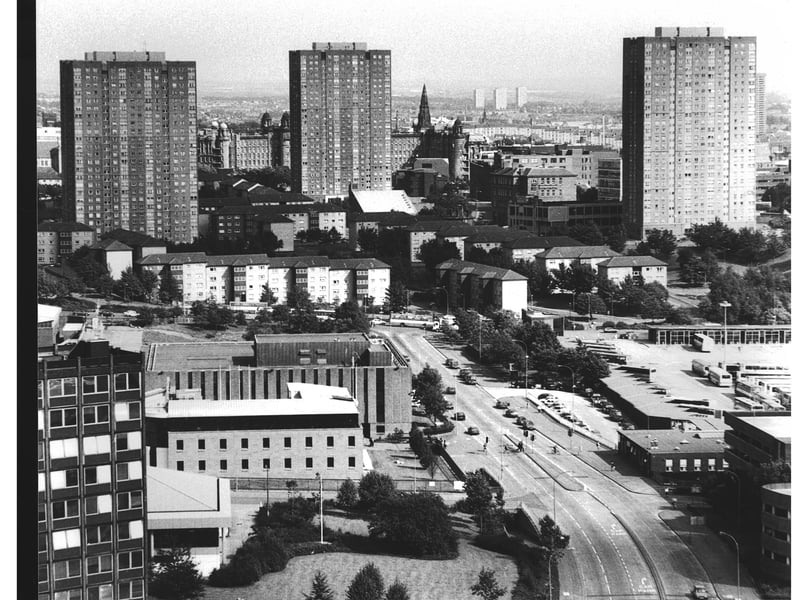
14. Townhead towers
Townhead from Dundasvale, showing Tower blocks, Dobbies Loan, Taylor Place, and Grafton Place, with North Hanover Street. | Contributed
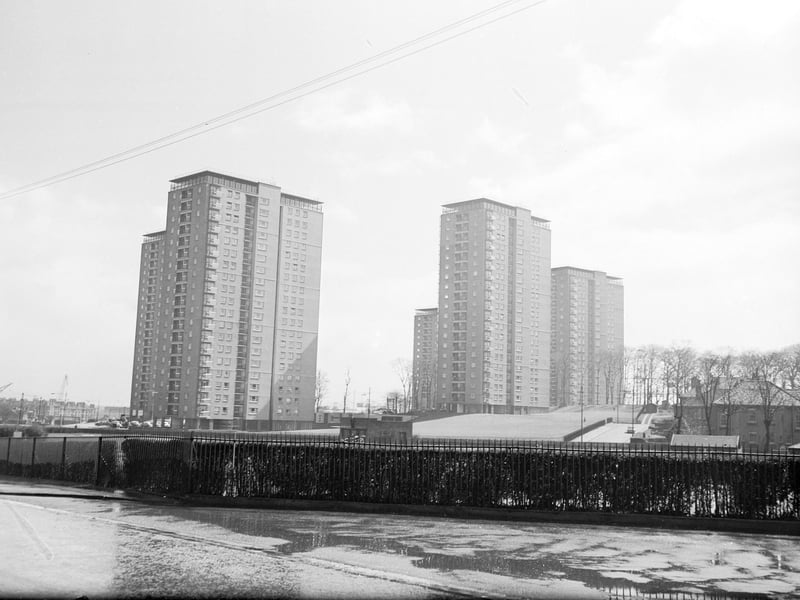
15. A new skyline for Scotstoun
A view showing high rise flats, which were part of the redevelopment of the Scotstoun area. Photo: Ian Brand / Gordon Rule
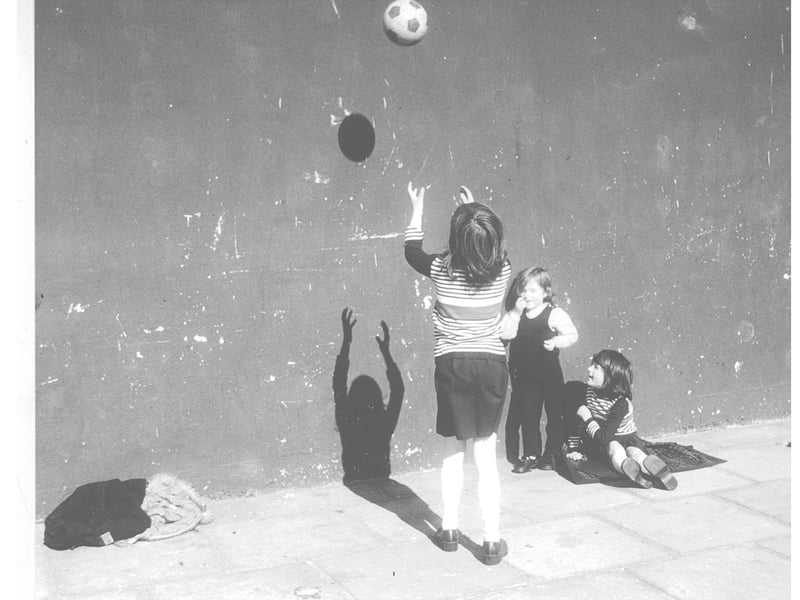
16. No ball games!
A ball game in progress at the base of a Sighthill Tower Block. | Glasgow City Archive