
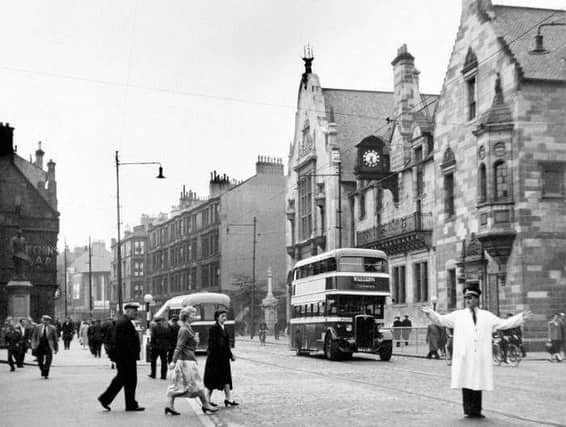


Govan is one of the oldest continually inhabited places in Scotland, with roots reaching back over a thousand years.
In the early medieval period it was a major centre of the Kingdom of Strathclyde, and later an important religious site. The Govan Stones, a remarkable collection of carved early Christian and Viking-era monuments housed in Govan Old Parish Church, are among the most significant archaeological remains from this time and point to Govan’s political and spiritual importance.
From the late medieval period onward, Govan developed as a small rural parish and river crossing on the south bank of the River Clyde. Its fortunes changed dramatically in the 18th and 19th centuries with the Industrial Revolution. Shipbuilding, engineering, and related industries transformed Govan from a village into a booming industrial destination, drawing workers from across Scotland and Ireland. In 1864, Govan became a burgh in its own right, reflecting its growing population and economic power.
In 1912, Govan was incorporated into the city of Glasgow, marking the end of its political independence but not its strong local identity. The decline of heavy industry in the late 20th century brought significant challenges.
Despite this, Govan has remained a place of resilience and community pride, with ongoing regeneration efforts and a renewed focus on its rich heritage, particularly its early medieval past and shipbuilding legacy.
Here are 22 old photographs of one of Glasgow’s most famous areas.
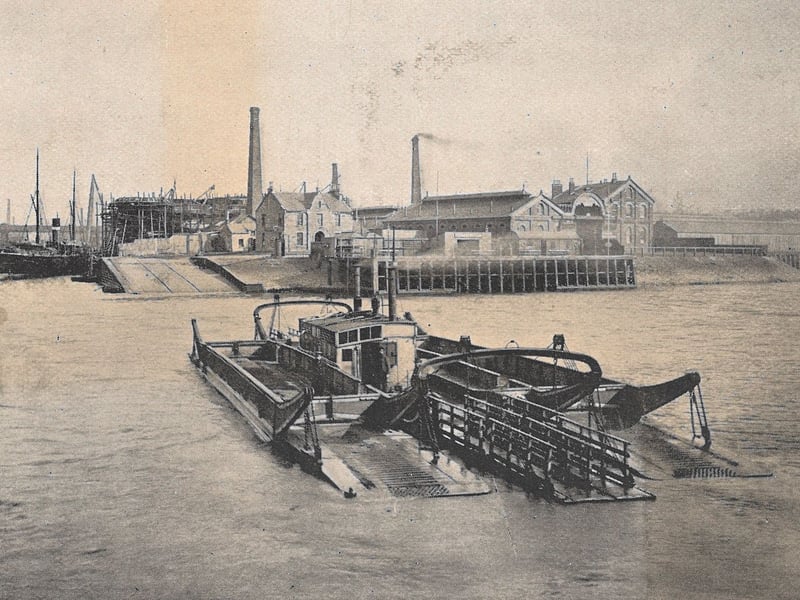
13. Govan Vehicular Ferry
The Govan ferry was one of the oldest routes crossing the River Clyde. By 1900 it was a vehicular ferry, but this was withdrawn in 1965 after the opening of the Clyde Tunnel. A low level passenger ferry on the same route closed the following year. | Glasgow City Archives
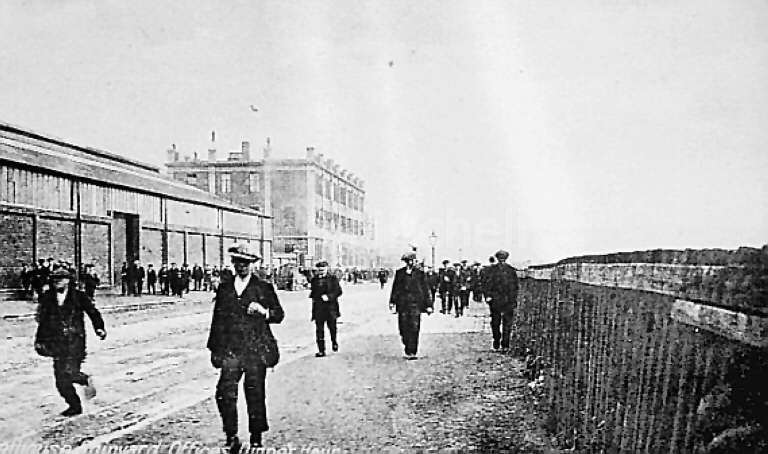
14. Dinner hour (1910)
The lads at Linthouse Shipyard rush for dinner hour back in the early 20th century | Virtual Mitchell
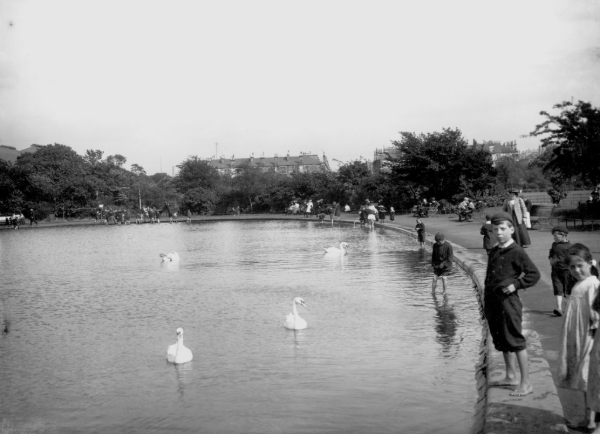
15. Elder Park (1910)
A snapshot of Elder Park in 1910. | Glasgow City Archives
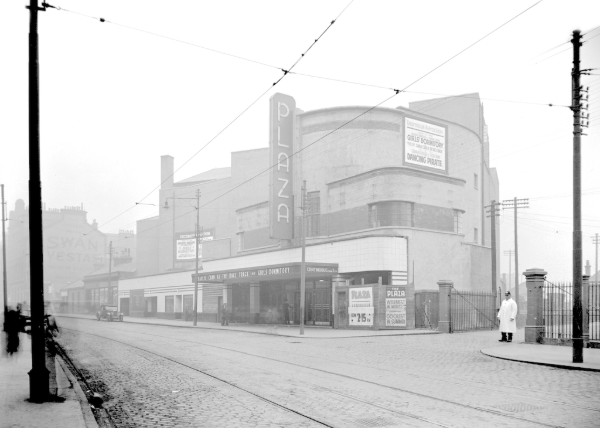
16. Plaza Cinema (1937)
The Plaza cinema was built on the former site of Govan Cinema on Govan Road designed by Charles McNair for Associated British Cinemas and opened in 1936. | Glasgow City Archives