

Paisley is often referred to as the “town that thread built” — but that phrase tells only part of the story. Thread alone built nothing; it was the people of Paisley who spun it, some of the hardest-working industrial labourers Scotland has ever known.
From its beginnings as a small encampment — known to the Romans as Vanduara — Paisley has grown into Scotland’s largest town, with a population of around 77,000. Tradition holds that its foundations were laid by Saint Mirin, who established a chapel between the 6th and 7th centuries, transforming the area into a major centre of Christianity in the west of Scotland.
The Paisley we recognise today began to take shape in 1163, when Walter Fitz Alan, the High Steward of Scotland, founded Paisley Abbey. The Abbey brought more than religious influence; it attracted traders and craftsmen, quickly turning Paisley into a thriving mercantile town.
In 1307, the original Abbey was destroyed by fire and was not rebuilt until the 15th century, more than a century later. This later structure is largely the Abbey we see today, altered only by restoration work in the early 20th century.
By the time the Industrial Revolution arrived in the 18th century, Paisley had already lived many lives and worn many hats. It was during this period, however, that the town became synonymous with the textile industry. So many mills operated in Paisley that shawls featuring the Persian boteh motif became globally known as the “Paisley pattern”.
Here are 11 nostalgic pictures from Paisley’s past.
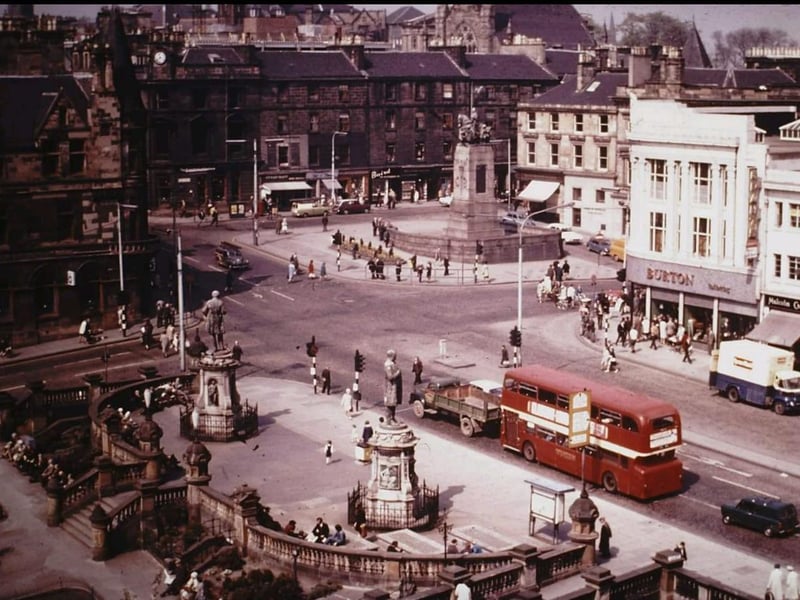
1. Paisley Cross
Paisley Cross pictured around 1960. | Gordon Nicol
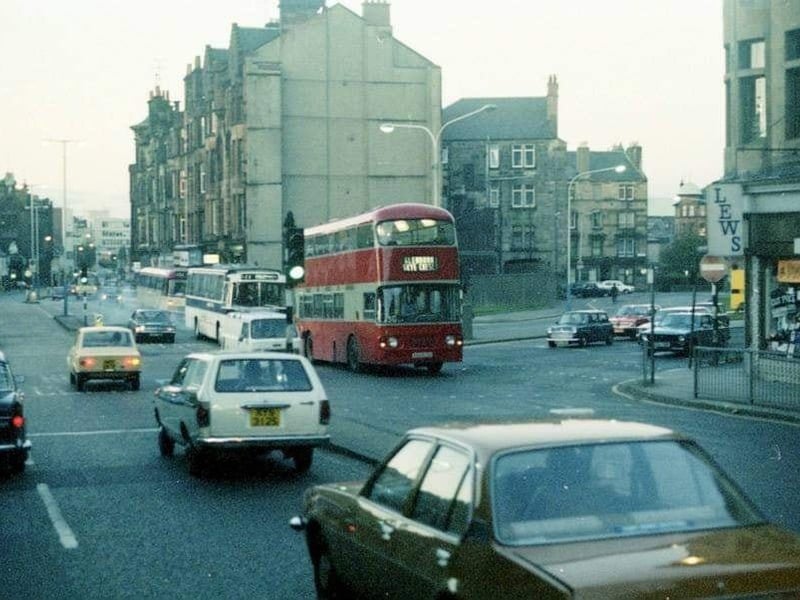
2. Causeyside Street
Causeyside Street pictured in the 1970s. | Paisley Heritage SCIO
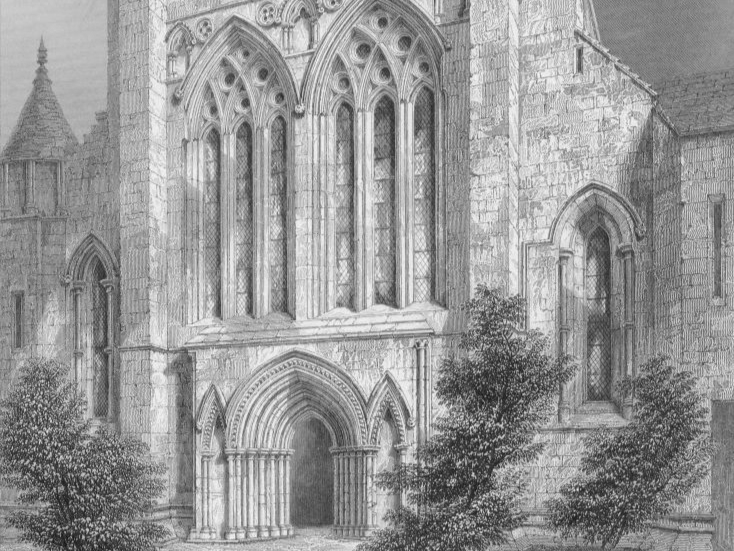
3. Paisley Abbey (Circa. 1700)
The west front of Paisley Abbey, as it looked in 1700. Drawn by R.W. Billings and engraved by J. Godfrey. | Getty Images
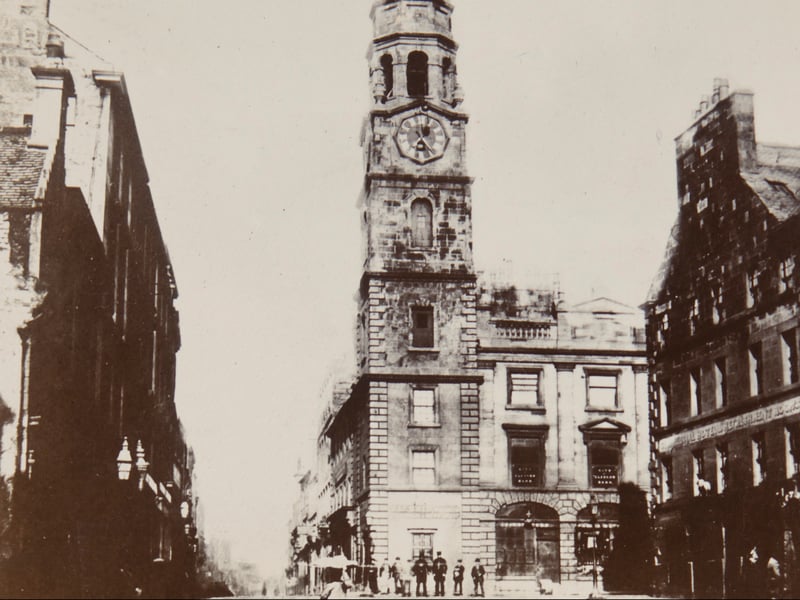
4. Paisley Tolbooth (Date unknown)
An early picture of the Paisley Tolbooth - the site of the last ever execution in the town. The man in question facing the hangmans gallows was one Thomas Potts, accused of the robbery of £11 in cash and £1 in silver from a Paisley home under the threat of cutlasses, swords, and large butcher knifes. Potts met his end on August 17, 1797 - the gallows were closed thereafter along with the tolbooth - and the jail, courtroom, and council chambers were moved to County Square. | Renfrewshire Heritage