

In 1935, as the Queen Mary took shape on the Clyde, Rogano restaurant was fitted out in the same Art Deco style as the great Cunard liner and a classic of Glasgow hospitality was created.
On Friday 20th March 2020, 84 years of uninterrupted trading came to an end when the restaurant closed alongside other hospitality venues in the city for what was anticipated to be a pause, in line with government guidance at the time.
Rogano was active on social media and posting about future plans. Then between December 2020 and January 2021 something changes. After a period of silence it became clear in court document that damage to the restaurant left it unable to reopen.
The long-running legal battle surrounding Glasgow’s Rogano restaurant reached the UK Supreme Court in May 2026, marking a major turning point in a dispute that has kept one of Scotland’s best-known dining institutions closed for six years. However the expected showdown between the owners of the city’s oldest restaurant and their landlord, a company controlled by Spain’s richest man, Amancio Ortega, took an unexpected turn.
However the culmination of the legal wrangle did not, in the end, produce the courtroom drama that was expected as the senior judges were told that the parties, who had been at loggerheads for years, had settled the dispute on the eve of the case being heard.
It remains unclear now how the settlement will impact on the potential future for Rogano, but agreement could open the door for a comeback.
Here is the history of Rogano in Glasgow as the restaurant could return after court settlement.
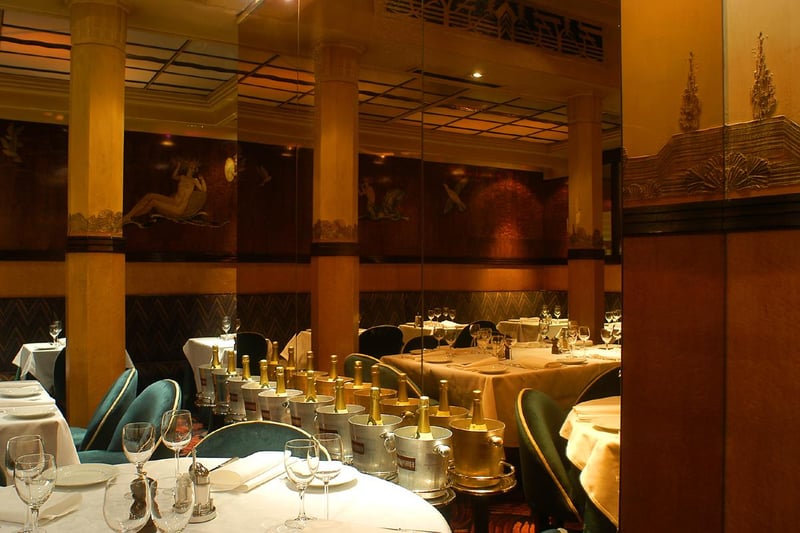
1. Rogano
Rogano's first incarnation was as the Bodega Spanish Wine Cellar opened in 1874. Owned by James Henry Roger and his silent partner Mr Anderson (the current name comes from ROGer and ANO to represent "ANOther"), in 1935 the restaurant was bought by Donald Grant. It was under Grant that Rogano became a Glasgow modern classic. | Rogano
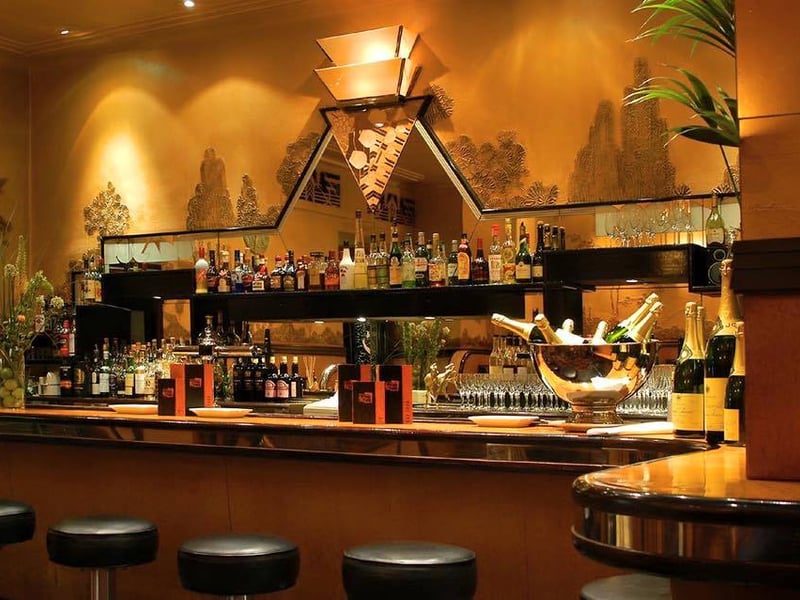
2. Rogano
Grant instructed that his new restaurant should be fitted in a style similar to the Cunard liner the Queen Mary, which had just been built on the Clyde by John Brown & Co of Clydebank. Stained glass and chrome, a fantasy seascape in plasterwork, mermaids and seashells, Rogano was made resplendent in walnut and burr. | Rogano
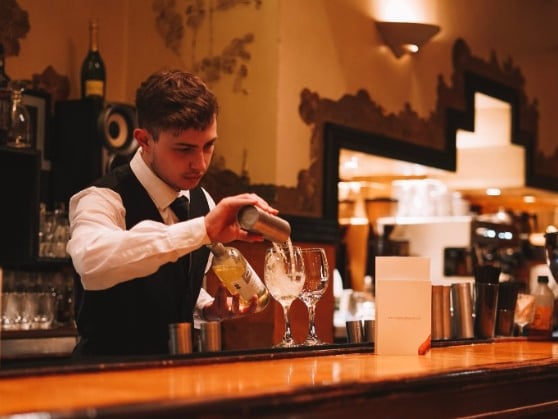
3. Rogano
The restaurant remained largely untouched from Grant's day until the early 1980s, when it was bought by Ken McCulloch, founder of Dakota Hotels and one of Scotland's most celebrated hoteliers with Malmaison and One Devonshire Gardens to his credit, alongside Allied Breweries. | Rogano
4. Rogano
Blue asbestos was found on the site, so the place was largely taken apart, creating a space for dining downstairs and halving the size of the bar on the ground floor so that there was room for more restaurant seating. The work was major, but so painstaking was the remodelling that when the restaurant reopened in 1984, customers new and old felt that nothing had really changed. | Rogano