

Highland cattle are a beloved feature of Pollok Country Park in Glasgow, where their shaggy coats and long, curved horns make them instantly recognisable to visitors.
Often seen grazing peacefully in the park’s open fields, they add a touch of the Scottish Highlands to the city’s largest green space. Families, dog walkers, and photographers often stop to admire their calm demeanour and appearance, making them a popular attraction.
These hardy animals are well-suited to the Scottish climate, and at Pollok Country Park, they help manage the landscape naturally. By grazing on grass and scrub, they prevent overgrowth and maintain the health of the park’s meadows.
Here are seven things you didn't know about Glasgow's Highland cattle.
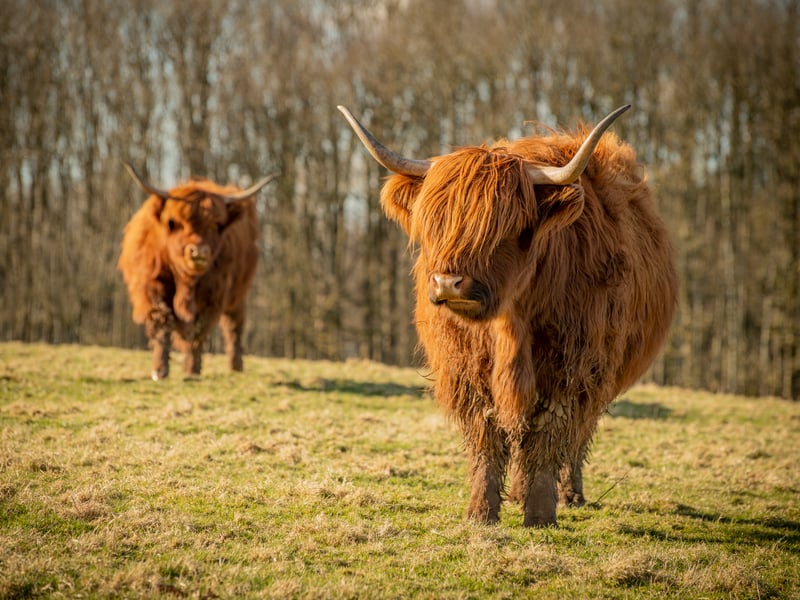
1. Pollok Country Park has been home to Highland cattle for over 180 years
Highland cattle were first brought to Pollok Country Park over 180 years ago in the early 19th century by the Maxwell family, who owned Pollok Estate and lived in Pollok House. They bred and exhibited their prizewinning fold at local shows, and used the cattle to graze on natural pastures to help with conservation and biodiversity. The soil in the park is rich in clay, meaning it was difficult to grow cereals and vegetables, but perfect for the Highland cattle’s unique grazing skills. | © Glasgow Life / Paul Watt Photography
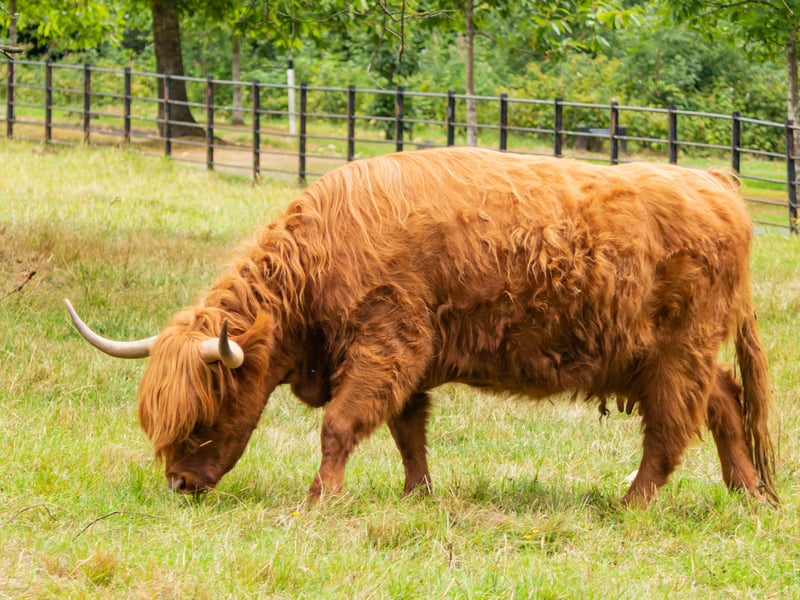
2. Their fluffy hair keeps them cosy all year round
Highland cattle have a special, double coat of hair. The outer hair is long, coarse, oily and most importantly, waterproof to allow them to keep dry in the rain, and snow. The hair underneath is shorter and softer and captures air which is then heated by their body to keep them warm during cold weather. They live outdoors all year round and in all weathers, using their special hair to stay warm when it’s cold and finding shade under trees and shedding their coat to keep cool in the summer. Although red-haired Highland cattle are the most well-known, there are a large variety of hair colours, including everything from yellow and grey to black and brindle. | Kenny - stock.adobe.com
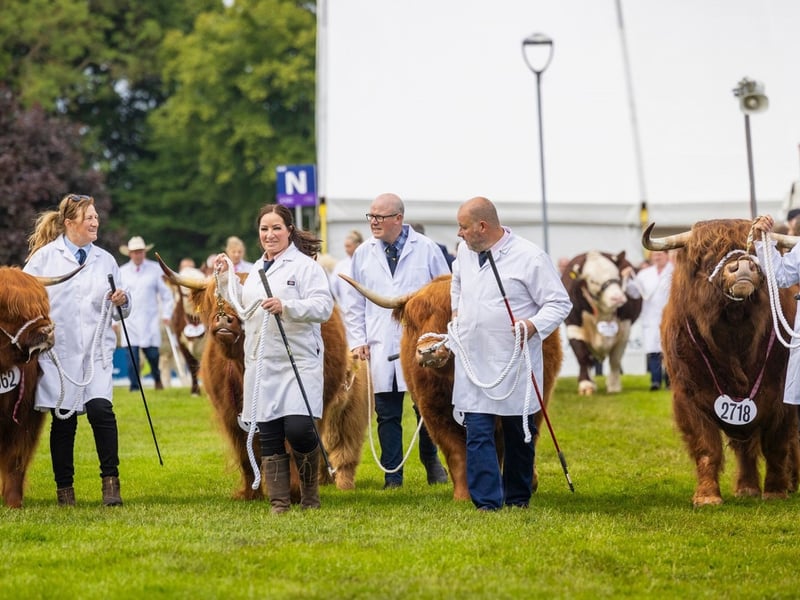
3. Glasgow’s fold of Highland cattle are award-winning animals
Interestingly, a group of Highland cattle is known as a fold rather than a herd. This is because historically in the Scottish Highlands, they would be brought into a stone building called a fold to protect them from rustlers and thieves. And Glasgow's fold of Highland cattle are prizewinning animals, taking part in around seven local agricultural shows per year. One of their proudest moments was when their three-year-old female, Una Ruadh (49th of Pollok), was named Overall Highland Champion at the Royal Highland Show in 2016. Preparations for show season starts about 6 months in advance when they select the best animals to show and begin to feed them up to maximise their weight. They then have to be trained to walk on a halter, be prepared to be handled by strangers, and last but not least, undergo some beauty treatments. Their hooves and horns are sanded and polished, and their hair is washed several times before each show. | Glasgow Life
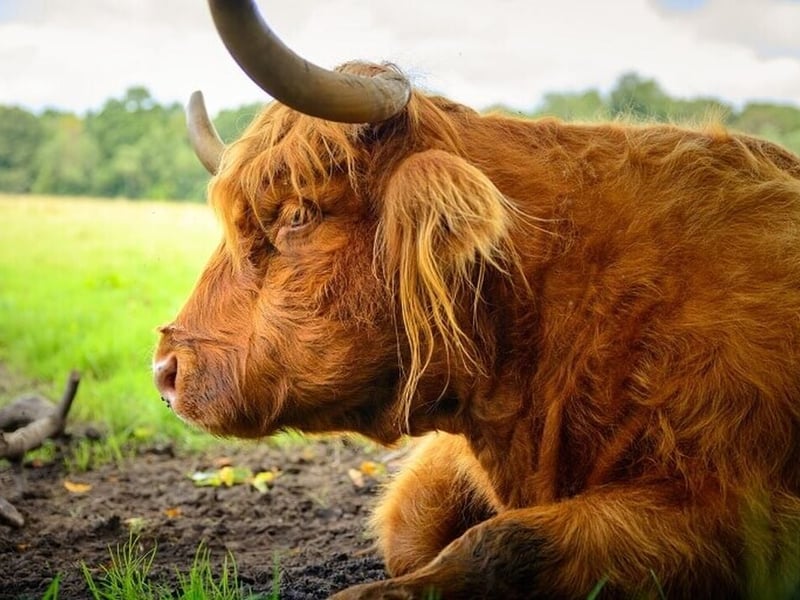
4. They love to eat brambles
Highland cattle are specialised foragers, meaning that they can graze on poorer quality grasses and thrive where other livestock may struggle to. In fact, their thick skin and tongue allow them to graze nettles, thistles and even holly – and they love to eat brambles. | Glasgow Life