
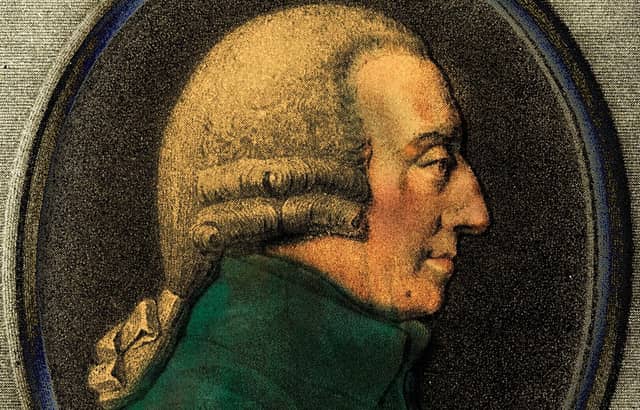


The University of Glasgow was founded in 1451 by a papal bull issued by Pope Nicholas V, at the request of King James II of Scotland. Established initially to train clergy and scholars in theology, law, medicine, and the arts, it began its life in the heart of medieval Glasgow, near the city’s cathedral and High Street.
Like other European universities of the period, Glasgow followed a continental model, emphasising classical learning and scholastic philosophy. Despite political turbulence and religious upheaval during the Reformation, the university redefined its mission, shifting toward a broader curriculum.
The seventeenth and eighteenth centuries marked a transformative era. As Scotland entered the Age of Enlightenment, the University of Glasgow became a leading centre for philosophy, economics, and scientific inquiry. Professors emphasised empirical reasoning, moral philosophy, and public engagement, principles that shaped modern academic practice.
Among the most influential figures of this period was Adam Smith, who served as Professor of Moral Philosophy from 1752 to 1764. His ideas, later published in The Wealth of Nations, laid the foundations of modern economics and continue to influence global economic thought.
By the nineteenth century, industrial growth and rising student numbers rendered the original city-centre campus inadequate. In 1870, the university relocated to its current site at Gilmorehill in the city’s West End. The new campus, designed by Sir George Gilbert Scott, introduced the neo-Gothic main building that remains one of Glasgow’s most recognisable landmarks.
This period also saw significant advances in science and engineering. William Thomson, later known as Lord Kelvin, held a professorship at Glasgow for over 50 years. His work on thermodynamics and electrical theory cemented the university’s international scientific reputation; the Kelvin temperature scale bears his name.
During the twentieth century, the University of Glasgow expanded rapidly in both size and scope. New faculties, research institutes, and programs emerged, and the campus in the West End expanded as the university attracted students and academics from across the world.
Read about some individuals associated with the university who have
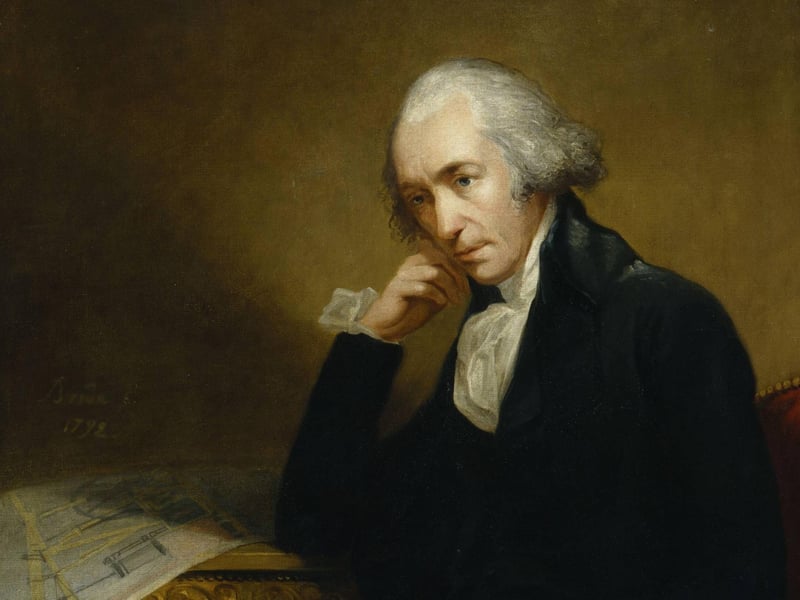
5. James Watt
Born in Greenock, Scotland, in 1736, Watt was employed by the University as an instrument maker at the age of 20, providing him with lodgings and a workshop. When presented with a model Newcomen steam engine in need of repair, Watt devised a separate condenser which would improve efficiency and permit enormous savings in fuel. Through developing this idea with industrialist Matthew Boulton, Watt is considered to be one of the key figures of the Industrial Revolution. The model Newcomen engine survives to this day and is on long-term display at The Hunterian Museum. Photo: contributed
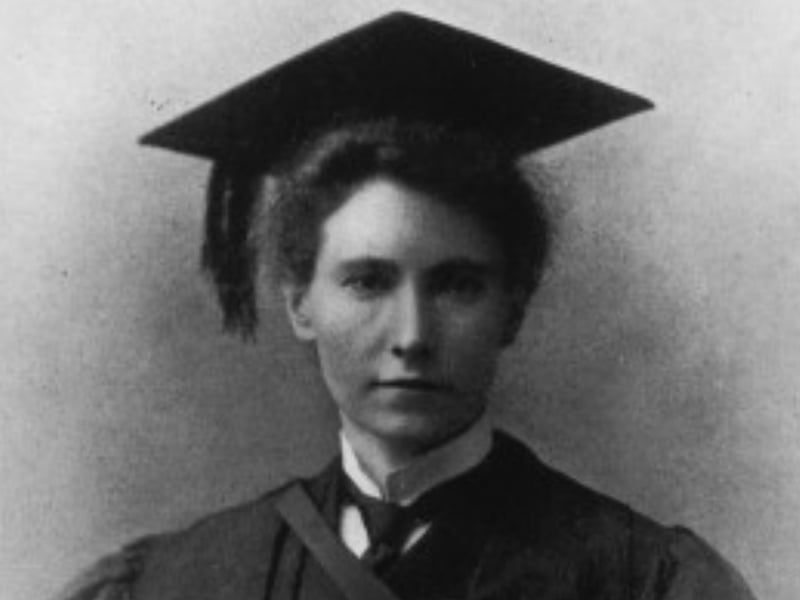
6. Marion Gilchrist
The University of Glasgow's first woman graduate and the first woman to graduate in medicine in Scotland. She specialised in ophthalmology and undertook all the work of the eye department of the Victoria Infirmary during WWI. She was also the first woman Chairman of the Glasgow division of the BMA and an supporter of the women's suffrage movement. Her chauffeur's house and garage were located in what is now Brel Bar on Ashton Lane. | Getty
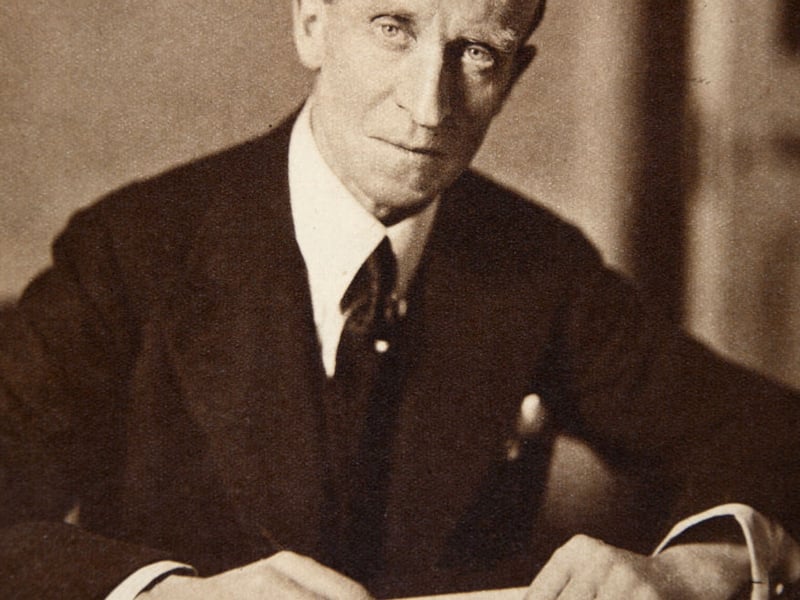
7. John Buchan
John Buchan, 1st Baron Tweedsmuir, is best remembered as the author of the novel The Thirty-Nine Steps, published in 1915, that invented the spy thriller genre. He also had a career in government and diplomacy and served as Governor-General of Canada from 1935 until 1940. He studied at the University of Glasgow and Oxford before working both as a barrister and journalist, going on to write over 100 books. | Getty Images
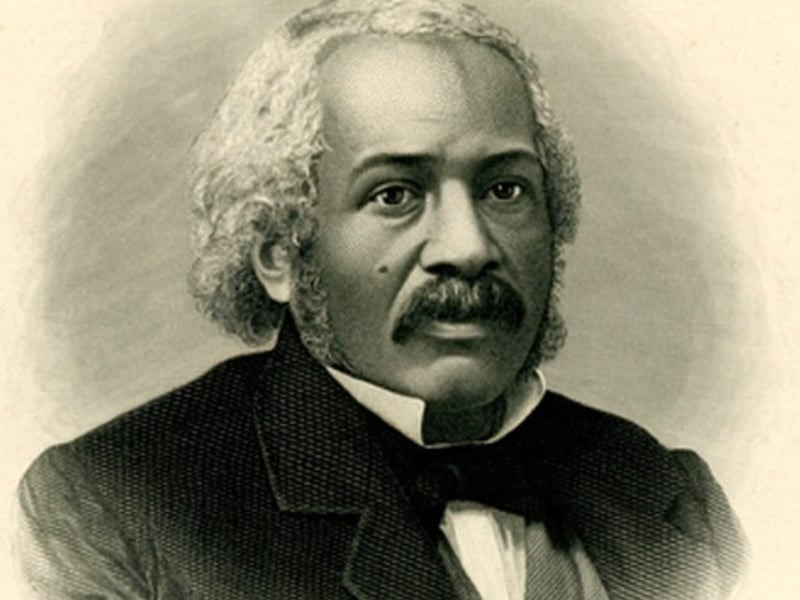
8. Jame McCune Smith
James McCune Smith was the first African American graduate in medicine. As well as a doctor he was an abolitionist and medical activist. After being denied entry to American colleges due to his race he attended the University of Glasgow from 1832 to 1837. During his studies in Glasgow he obtained three university degrees – a Bachelor of Arts (1835), a Master of Arts (1836) and his Medical Doctorate (1837). In 2021 the University of Glasgow’s new world-leading learning and teaching building was named the James McCune Smith Learning Hub in his honour. | Supplied