
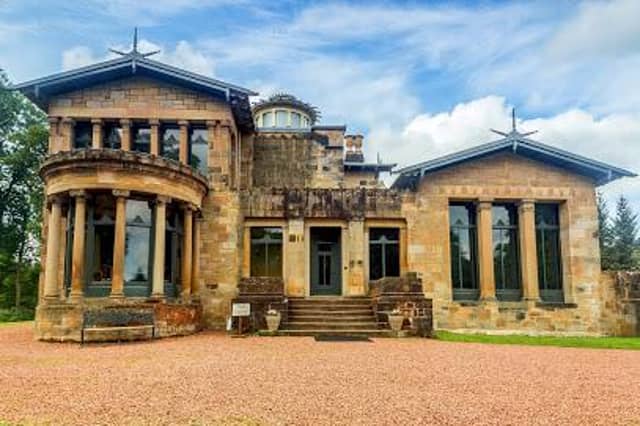


Glasgow’s Southside is home to some of the most important and historical buildings in the city.
We wanted to shine a spotlight on buildings in the area and explore the history of them. Not all of these buildings are currently in use but have an interesting tale to tell.
There are examples of work by the great Alexander ‘Greek; Thomson as well as other well known architects who left their mark on city life.
Here are eight of the most historic and important buildings in Glasgow’s Southside.
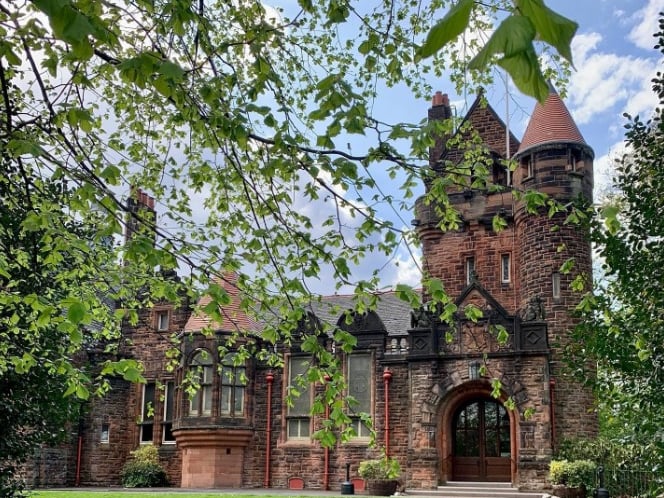
5. Pollokshields Burgh Hall
In 1887, Sir John Maxwell granted the land, now Maxwell Park, to the burgh of Pollokshields for the construction of a burgh hall and public gardens. Glasgow architect Henry Edward Clifford was appointed to design the new hall in 17th Century Scottish Renaissance style. Using dark red sandstone and featuring a 60-foot tower the hall became a striking addition to the architecture of the new burgh of Pollokshields. Inside, local residents gifted stained glass windows and the hall was decorated with solid wood panelling, ornate cornicing and stonework. | Pollokshields Burgh Hall
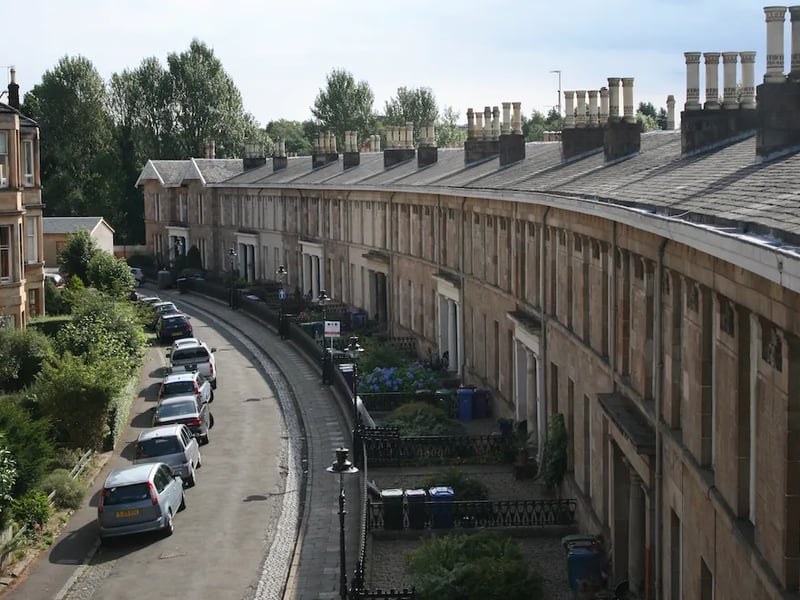
6. Millbrae Crescent
The Alexander Thomson Society say: "Millbrae Crescent is thought to be designed by Alexander Thomson, or posthumously by his architectural partner, Robert Turnbull. The street comprises an elegant row of two-storey terraced houses built using blonde sandstone and exemplifying Thomson’s typical use of Egyptian-derived columns and ornamentation." | The Alexander Thomson Society
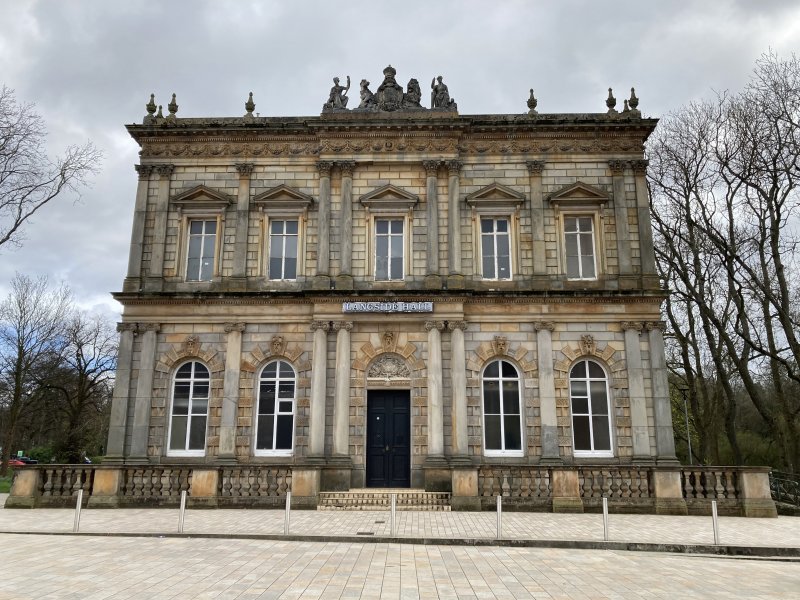
7. Langside Halls
Langside Hall is an “A” listed building situated on the Southside. It was originally built in 1847 as a National Bank of Scotland on Queen Street, it was removed stone by stone and re-erected at Langside Avenue in 1889. The Halls have been shut since 2017 to allow essential repairs to be carried out to the building. | Historic Scotland
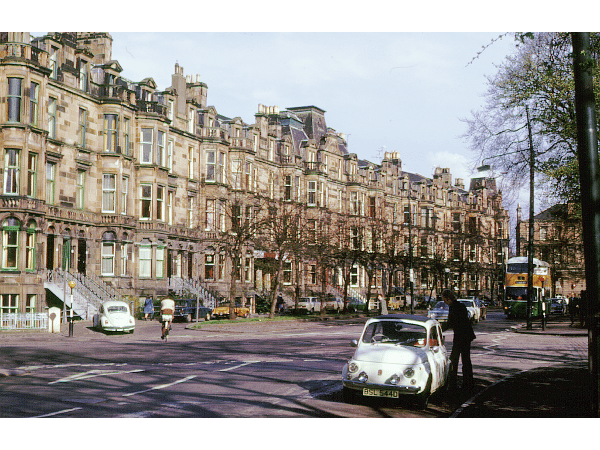
8. Queen's Drive
The tenements along Queen’s Drive, on the northern side of Queen’s Park, were designed by W.M Whyte who took inspiration from French Renaissance architecture. They feature steep pitched roofs covered in slate tiles, dormer windows, chimneys and small towers. There's a sculpture of the Roman goddess of freedom Libertas on the roof at the corner with Langside Road - the tenements were built in 1885, the same year in which New York's Statue of Liberty was assembled in Manhattan. This picture is of the buildings in 1975. | Glasgow City Archives