
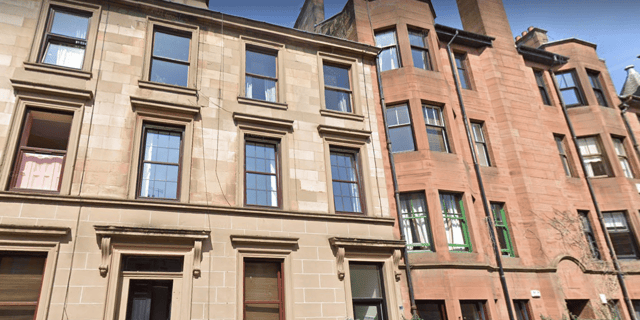


Glasgow is a wonderful city, but it doesn’t give up all its secrets easily. Scattered across its streets are old artefacts and curious details that puzzle both visitors and Glaswegians.
Today, we’re sharing some of the most intriguing and lesser-known facts about the city. From remnants of Glasgow’s past to the stories behind its distinctive architecture, explore the Glaswegian trivia we’ve gathered below.
Here are 15 surprising facts about Glasgow most Glaswegians don’t know

13. First international football match
The 1872 association football match between the national teams of Scotland and England is officially recognised by FIFA as the first international. It took place on 30 November 1872 at Hamilton Crescent, the West of Scotland Cricket Club's ground in Partick, Glasgow. | Supplied
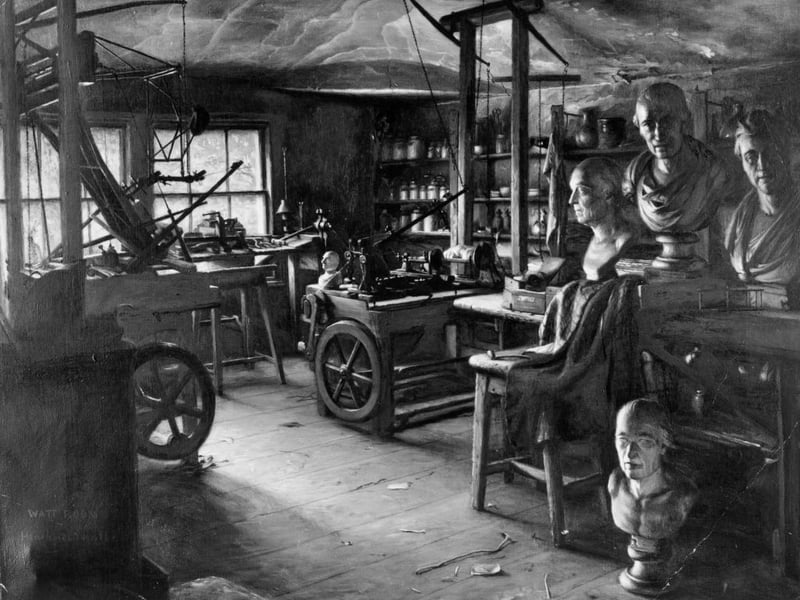
14. James Watt’s steam engine inspiration
James Watt was born in Greenock and went to Glasgow to learn the skills of a mathematical instrument maker. One of his repair jobs for Glasgow University was reconditioning a model of a Newcomen steam engine, but even after repair he found it would barely work because the efficiency was so low. Watt’s “big idea” came to him while strolling on Glasgow Green in May 1765. It took four years to get this idea - the separate condenser - designed, tested and patented. His improvements revolutionised compact steam engines and the metric unit of power was named after him. | (Photo by Hulton Archive/Getty Images)
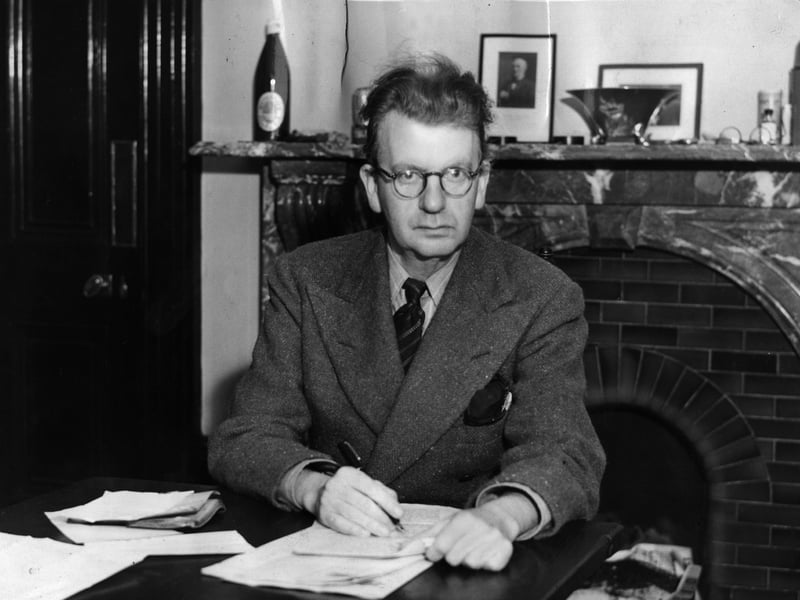
15. John Logie Baird's television transmission
John Logie Baird was born in Helensburgh and studied at Glasgow University. His historic television transmission to Glasgow in 1927 sent the world's first long-distance TV pictures over 438 miles of telephone lines from London to the Grand Central Hotel, showcasing Baird's mechanical television system and setting the stage for future broadcasts, including the BBC's first shows. | Getty Images